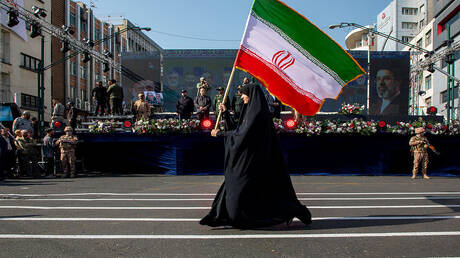
The conflict in Iran has entered a new phase characterized by rising tensions, as financial sanctions intertwine with military confrontations. Ongoing discussions about potential new negotiations continue amidst these developments.
Concerns are growing about the escalation of the conflict in the region, as the United States seeks to impose stricter financial sanctions on Tehran, while Iran responds with military actions that could exacerbate the situation. This dynamic evokes memories of the Cold War, where major powers competed for influence in the Middle East.
Details of the Event
Reports indicate that the United States has increased its military presence in the Arabian Gulf, leading to heightened tensions with Iran. In recent weeks, there have been repeated interceptions by U.S. warships of Iranian vessels, reflecting a state of military alert in the region.
In contrast, Iran continues to develop its nuclear program, raising concerns within the international community. Tehran has asserted that it will not back down from its rights in this area, placing it in direct confrontation with the United States and its allies.
Background & Context
Historically, Iranian-American relations have experienced increasing tensions since the Islamic Revolution in 1979. Since then, the United States has imposed multiple economic sanctions on Iran, significantly impacting its economy. With Washington's withdrawal from the nuclear deal in 2018, crises between the two parties have intensified.
This new phase of the conflict represents a real test for U.S. policies in the Middle East, as the Trump administration must make decisive decisions on how to engage with Iran. At the same time, regional countries are closely monitoring the situation's developments, as these events could affect the stability of the entire region.
Impact & Consequences
These tensions could lead to serious ramifications for regional and international security. Increased military activity in the Gulf may result in unexpected clashes, threatening maritime navigation and affecting global oil prices.
Moreover, the continuation of financial sanctions could worsen economic conditions in Iran, negatively impacting internal stability and intensifying public protests. This dynamic may open the door for new external interventions in Iranian affairs.
Regional Significance
Developments in Iran directly affect neighboring Arab countries, as relations between Iran and Gulf states are increasingly strained. Military escalation could provoke reactions from Arab nations, further intensifying the conflict in the region.
Additionally, the ongoing crises in Iran may influence other issues such as the conflicts in Syria and Iraq, where Iran seeks to bolster its influence. This situation could exacerbate humanitarian conditions and increase civilian suffering in those areas.
In conclusion, it appears that the Iranian conflict is entering a new phase that requires the international community to take decisive steps to avoid worsening conditions. There must be intensive diplomatic efforts to reach peaceful solutions before matters deteriorate beyond repair.