In its efforts to combat misinformation, Greek authorities have announced plans to impose restrictions on online identity secrecy. This announcement was made by Digital Transformation Minister Dimitris Papastergiou, who highlighted the necessity of verifying user identities on digital platforms.
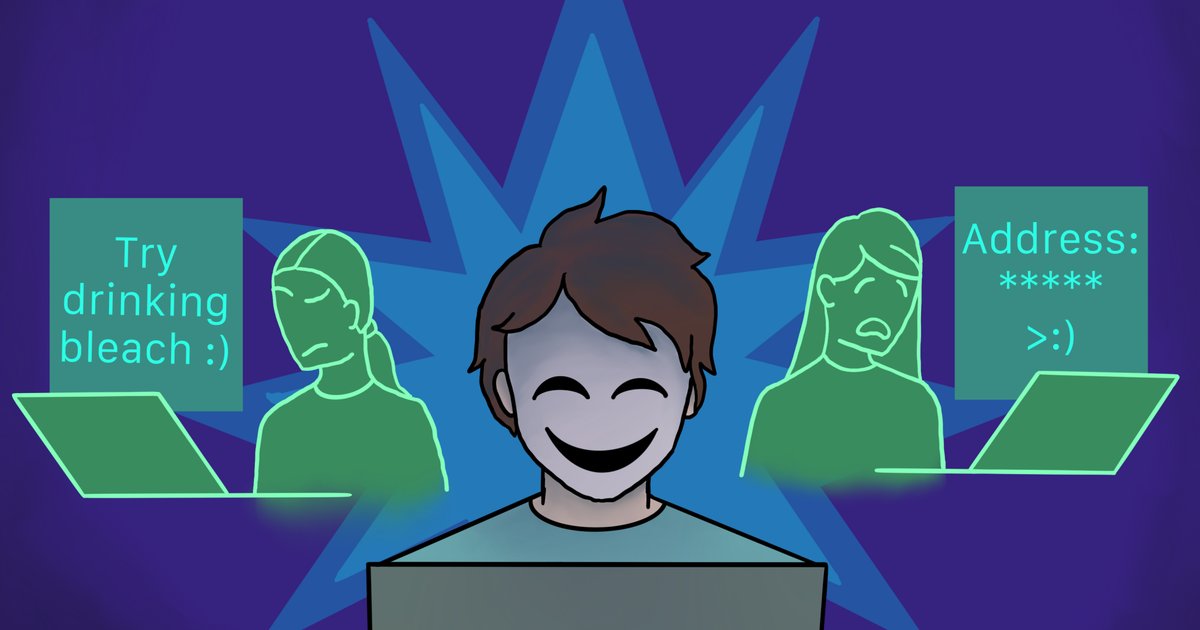
The minister explained that the main issue lies in identity secrecy, which allows individuals to tarnish the reputation of others without facing consequences. He stressed the importance of finding ways to ensure that all user accounts are linked to verified real individuals.
Details of the Initiative
This initiative comes after ongoing discussions within the Greek government, where the topic has been addressed in high-level meetings, including those at the Prime Minister's office. The minister noted that there are multiple technological solutions that can be utilized to verify user identities, reflecting the government's serious approach to tackling this issue.
Papastergiou also added that the old democratic model in Greece should inspire the development of a new "digital democracy," striving to balance freedom of expression with protection against harmful information.
Background & Context
Historically, Greece has faced numerous challenges regarding freedom of expression, especially in the internet age. With the increasing use of social media, fake news and hate speech have become growing phenomena, prompting governments to consider new strategies to address them. Greek authorities have previously attempted to identify users who publish harmful content, but these efforts have not achieved the desired success.
Impact & Consequences
This initiative is expected to spark widespread debate among advocates for freedom of expression and activists. While some view this step as necessary to protect society from harmful information, others believe it could lead to restrictions on free speech. Therefore, it will be important to monitor how this policy is implemented and its impact on society.
Regional Significance
The implications of this move extend beyond Greece, as it may influence discussions on digital identity and freedom of expression in other countries facing similar challenges. The balance between safeguarding individuals from harmful content and preserving the fundamental right to free speech is a critical issue in today's digital landscape.
In conclusion, the Greek government's initiative to end online identity secrecy represents a significant step in the fight against misinformation and the promotion of transparency on the internet. As the situation evolves, it will be crucial to observe how these measures are received by the public and their effectiveness in achieving the intended goals.