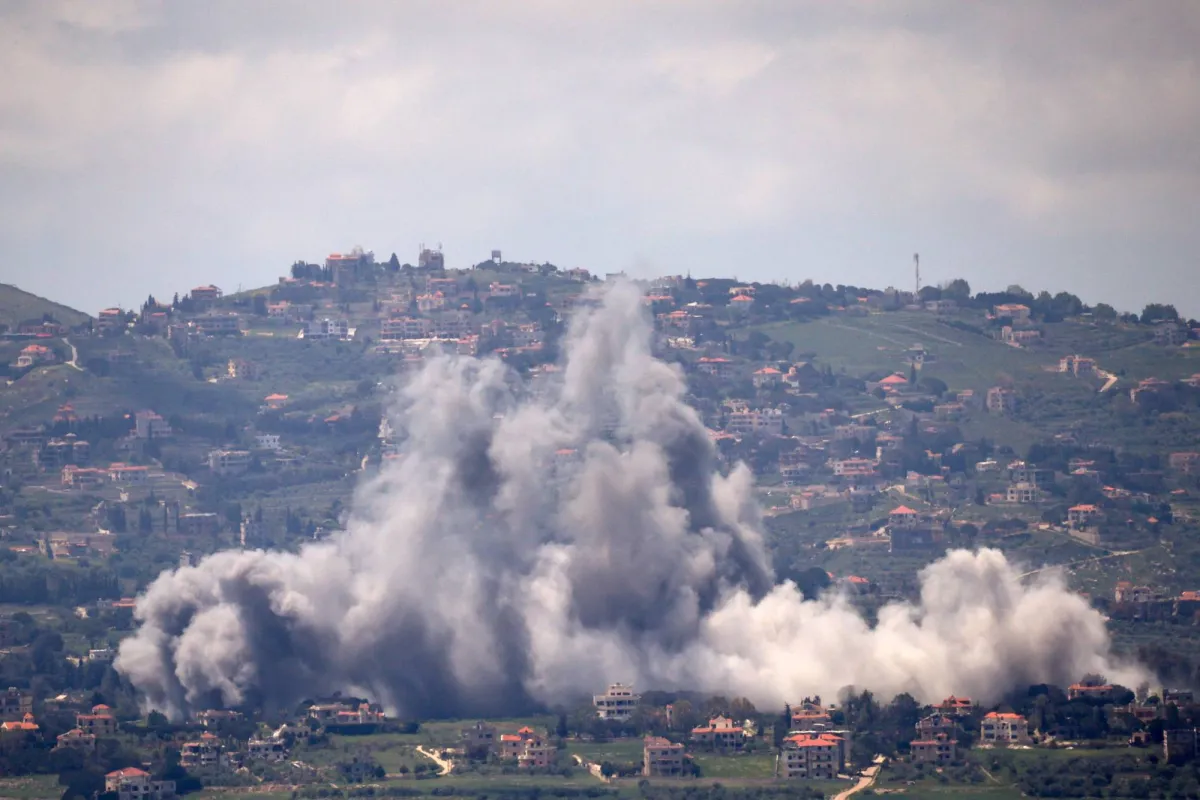
The Israeli army has today (Tuesday) called for the immediate evacuation of 16 villages in southern Lebanon, according to the German news agency. This request comes at a time when Israeli military operations are ongoing, further intensifying the tensions in the area.
The Lebanese National News Agency reported that the Israeli army has warned residents of the villages and towns, including Al-Ghandouriya, Burj Qalaouiyeh, Qalouiyeh, Al-Sawana, Al-Jumayjma, Safad Al-Bateekh, Barashit, Shuqra, Aita Al-Jabal, Tibnin, Al-Sultaniyya, Bir Al-Salasil, Kafdonin, Kharbat Salim, Sal'a, and Deir Kifa, to evacuate their homes and move away from the designated area towards the Sidon district.
Details of the Incident
This request coincides with the continued Israeli bombardment of Lebanese villages and towns, where an Israeli drone targeted a motorcycle in the town of Majdal Zoun in the Tyre district, resulting in injuries to two individuals who were transferred to Tyre hospitals for treatment. This military escalation reflects the tense situation in the region, which has seen Israeli airstrikes in recent weeks in response to attacks by Hezbollah.
It is noteworthy that a ceasefire agreement came into effect at midnight on the Thursday before last, following weeks of airstrikes that began on March 2. However, the situation appears to remain fragile, as Israeli forces continue their military operations.
Background & Context
The backdrop of this escalation is the strained relations between Lebanon and Israel, where southern Lebanon experiences ongoing tensions due to military activities by Hezbollah. Lebanese President Joseph Aoun has indicated his efforts to protect the country from conflicts, while facing criticism from Hezbollah regarding his negotiation choices.
At the same time, Hezbollah's Secretary-General Na'im Qassem has reiterated his rejection of direct negotiations with Israel, complicating the situation further. These statements reflect the internal divisions in Lebanon regarding how to address Israeli threats.
Impact & Consequences
The repercussions of this escalation extend beyond Lebanese borders, potentially affecting regional stability. Israeli military movements could lead to a greater escalation of the conflict, threatening security across the entire region. Additionally, the evacuation of villages may increase civilian suffering and lead to a new humanitarian crisis.
Israeli military actions come at a sensitive time, as many countries seek to achieve stability in the region. These events may prompt a reassessment of the strategies of involved nations in the Middle East, including the role of major powers in the region.
Regional Significance
The events in southern Lebanon are part of a larger picture of the Arab-Israeli conflict, where the Palestinian issue and other regional disputes continue to overshadow security and stability in the area. The military escalation in Lebanon may provoke reactions from other Arab countries, further complicating the situation.
In conclusion, the situation in Lebanon remains under close observation, with increasing fears of a larger conflict that could impact regional security. It is crucial that international and local efforts combine to mitigate escalation and protect civilians during these challenging times.