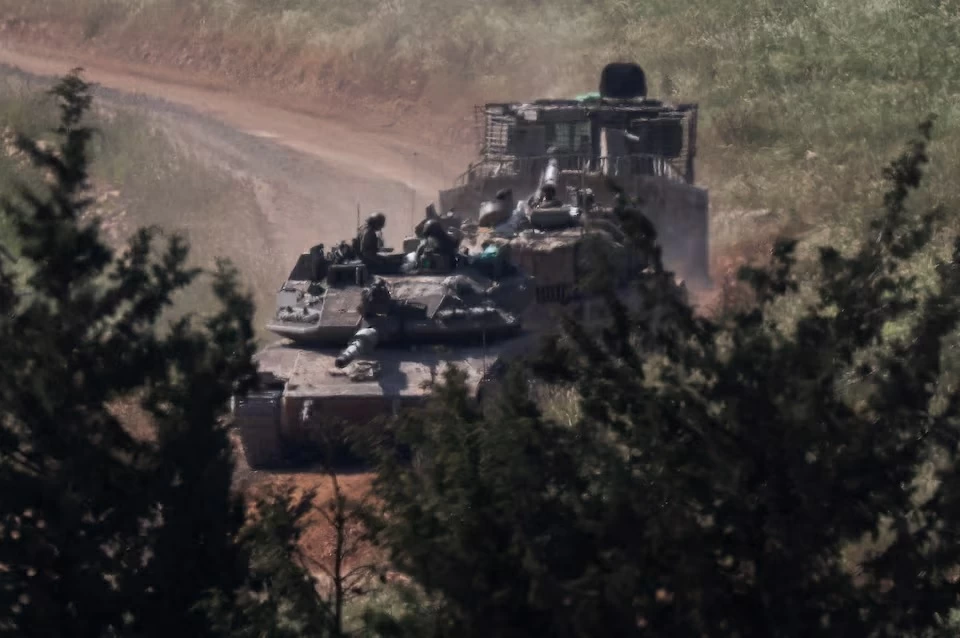
Israeli airstrikes persist in southern Lebanon, with the Israeli army issuing new warnings for the evacuation of over 15 towns, urging residents to move northward. This escalation occurs amid rising tensions between the two sides, as Israeli army spokesperson Avichai Adraee accused Hezbollah of breaching the ceasefire agreement, necessitating intensified military intervention.
In an official statement, the Israeli army announced the destruction of approximately 1,000 military targets belonging to Hezbollah in the south, indicating that these targets were used to attack Israeli forces. The statement clarified that among the destroyed targets were booby-trapped buildings and facilities containing weapons.
Details of the Incident
The army also noted that it discovered and neutralized hundreds of weapons, including machine guns, grenades, landmines, and anti-tank missiles. However, the army did not specify the timeframe during which these targets were destroyed.
This morning, Israeli aircraft launched a series of airstrikes targeting the town of Zawtar al-Sharqiya and the town of Haris in southern Lebanon. Additionally, Israeli forces fired heavy machine guns towards the Al-Mahaniya neighborhood in the city of Bint Jbeil, according to reports from the Lebanese National News Agency.
Israeli drone flights were also recorded over the capital Beirut and its southern suburbs, along with military and drone flights over the Tyre area and several towns and villages in southern Lebanon.
Background & Context
In this context, Hezbollah launched aggressive drones towards northern Israel, escalating tensions in the region. Israeli Prime Minister Benjamin Netanyahu stated that the rockets and drones possessed by Hezbollah necessitate the continuation of military operations in Lebanon, despite the existing ceasefire agreement between the two parties.
It is noteworthy that former U.S. President Donald Trump announced a 10-day ceasefire between Lebanon and Israel starting at midnight on April 16, following intensive Israeli airstrikes targeting Lebanon since March 2. The ceasefire was extended on April 23 for an additional 3 weeks, yet violations continue to occur.
Impact & Consequences
These events underscore the escalating tensions in the region, as the continuation of military operations may exacerbate the humanitarian situation in southern Lebanon and increase the suffering of civilian populations. The destruction of Hezbollah's military targets could also affect the balance of power in the region, potentially prompting reactions from the involved parties.
Concerns are rising that these escalations could lead to a broader conflict that may involve neighboring countries, further complicating security conditions in the Middle East. Additionally, ongoing violations of the ceasefire may undermine trust in any diplomatic efforts to resolve the conflict.
Regional Significance
The current events serve as an indicator of deteriorating security conditions in the region, as the escalation of conflict between Israel and Hezbollah may impact the stability of neighboring countries, such as Syria and Palestine. These developments could also revive discussions about the role of regional and international powers in the conflict.
In conclusion, the situation in southern Lebanon remains tense, with increasing risks of military escalation that could lead to severe humanitarian consequences for civilian populations, necessitating international intervention to mitigate the escalation and ensure civilian safety.