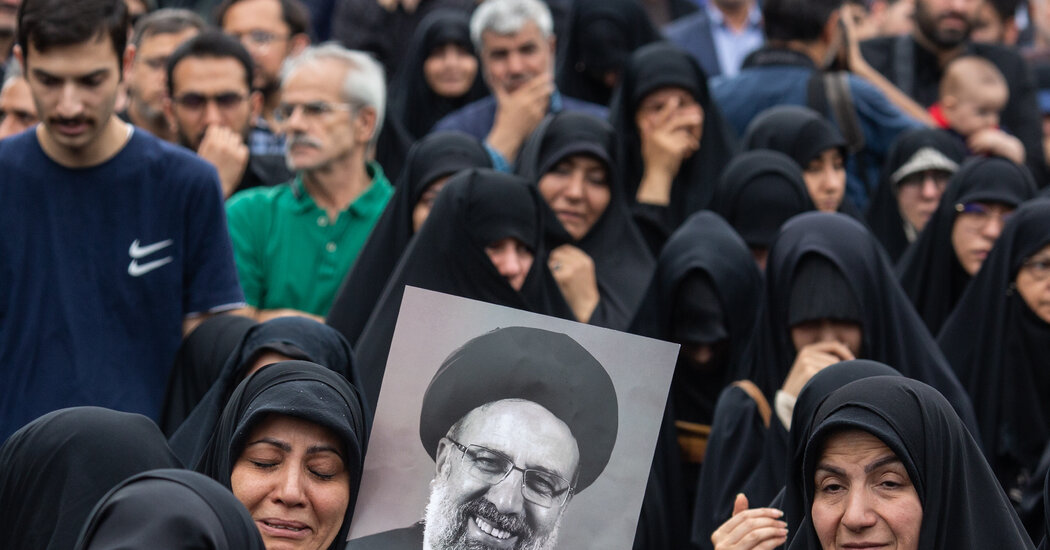
On the 40th anniversary of the assassination of Ayatollah Mohammad Hossein Larijani, Iranian Foreign Minister Hossein Amir Abdollahian stated that Larijani was a prominent figure and a symbol in modern Iranian thought. Abdollahian noted that Larijani played a pivotal role in shaping Iranian policies during a sensitive time in the country's history.
The Iranian minister mentioned that Larijani possessed a profound vision regarding political and social issues, making him an indispensable intellectual pillar. He affirmed that Larijani's intellectual legacy continues to influence new generations of intellectuals and politicians in Iran.
Event Details
This anniversary comes at a time when Iran is facing multiple internal and external challenges. Economic and political pressures are rising, making it essential to remember the figures who contributed to building Iranian national identity. Larijani, who was assassinated in 1981, played a prominent role in the Islamic Revolution and was one of the leading thinkers who contributed to shaping Iranian political thought.
During the memorial ceremony, Abdollahian highlighted that Larijani had a significant impact on Iranian foreign policy, consistently advocating for strengthening relations with other Islamic countries. He also emphasized the importance of unity among Muslims in facing common challenges.
Background & Context
Historically, Iran has witnessed numerous political assassinations that have influenced the course of events in the country. Larijani's assassination occurred during a critical period following the Islamic Revolution, as the country sought to establish the foundations of the new regime. Larijani was among the prominent figures who helped direct revolutionary thought towards achieving social and political justice.
It is worth noting that Larijani was also a defender of human rights, consistently calling for respect for the rights of Iranian citizens. This stance earned him significant popularity among wide segments of the Iranian populace, enhancing his influence in the political arena.
Impact & Consequences
Commemorating Larijani reflects the challenges Iran faces today. Iranian officials seek to draw lessons from their history, especially under current circumstances that require internal unity. Emphasizing the importance of the thought presented by Larijani may positively influence the new generation of politicians and intellectuals.
On the other hand, this anniversary could affect Iran's relations with other countries, as Iran aims to enhance its image as a nation with a rich history and culture. Given the current tensions, it may be crucial for Iran to reaffirm its cultural and political identity by recalling its historical symbols.
Regional Significance
Regionally, the anniversary of Larijani's assassination serves as a reminder of the importance of political thought in shaping policies. Many Arab countries face similar challenges, making it essential to remember the figures who contributed to building national identity. Larijani's experience can serve as an inspiration for many Arab thinkers and politicians in their quest for positive change in their societies.
In conclusion, commemorating Larijani is not merely a historical event but a call to reflect on the future. Emphasizing the importance of thought and politics in shaping national identity can have a significant impact on future generations.