Leaks from U.S. officials to Axios reveal worries within President Trump's administration about the U.S. slipping into a 'frozen conflict' with Iran, potentially requiring a prolonged military presence in the region.
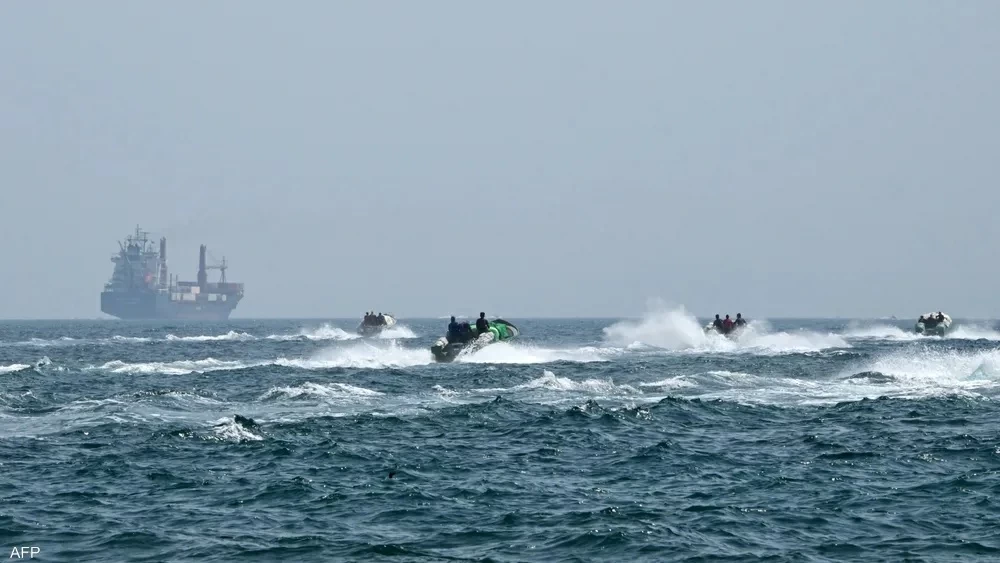
Officials indicate that a scenario of 'neither war nor agreement' would lead to the continued closure of the Strait of Hormuz and the persistence of the U.S. blockade, with each side waiting for the other to take a step back or escalate.
Details of the Situation
A source close to President Trump described the frozen conflict as politically and economically the worst scenario for him, especially with the upcoming midterm elections in November. The American site reported that five advisors who spoke with Trump noted that the president is wavering between launching new military strikes or waiting to see if the 'maximum pressure' policy through sanctions will push Iran to negotiate an end to its nuclear program.
One advisor mentioned that Trump told him that the Iranians 'only understand bombs', reflecting his frustration with the current situation. Nevertheless, it seems the U.S. president is aware that he does not want to use force, yet at the same time, he does not intend to back down.
Background & Context
According to sources from CNN, Trump hinted to his advisors that he is unlikely to accept the latest Iranian proposal conveyed through Pakistani intermediaries, which includes ending the blockade and reopening the Strait of Hormuz, while postponing issues related to the nuclear program to later negotiations after the war ends. Officials indicated that reopening the strait without resolving issues related to Iran's uranium enrichment could remove a key pressure point for Washington in negotiations.
At the same time, the network revealed that Trump's alternative option is to keep the waterway closed, which could lead to continued rising energy prices, already affecting fuel prices in the United States.
Impact & Consequences
Iran has proposed a new offer to the United States through Pakistani intermediaries to reach an agreement on reopening the Strait of Hormuz and ending the U.S. blockade, with nuclear negotiations postponed to a later stage. The new proposal focuses on resolving the crisis of the Strait of Hormuz and the U.S. blockade, with the possibility of extending the ceasefire for a long period or agreeing on a permanent end to the war.
Under the proposal, nuclear negotiations would not begin until after the reopening of the Strait of Hormuz and the lifting of the blockade, aiming to bypass the nuclear file issue to reach an agreement more quickly. The spokesperson for the Iranian Ministry of Defense, Reza Talaei Nik, confirmed that the United States is no longer in a position to dictate its policy to independent countries, emphasizing the need to abandon its illegal demands.
Regional Significance
Concerns are growing that the continuation of this situation could exacerbate crises in the region, as the frozen conflict may contribute to increased tensions between the U.S. and Iran, affecting regional stability. Additionally, the ongoing blockade and closure of the Strait of Hormuz could negatively impact global trade and oil prices, reflecting on Arab economies.
In conclusion, the situation in the region remains complex, as political and economic interests intertwine, necessitating an urgent diplomatic solution to avoid further escalation.