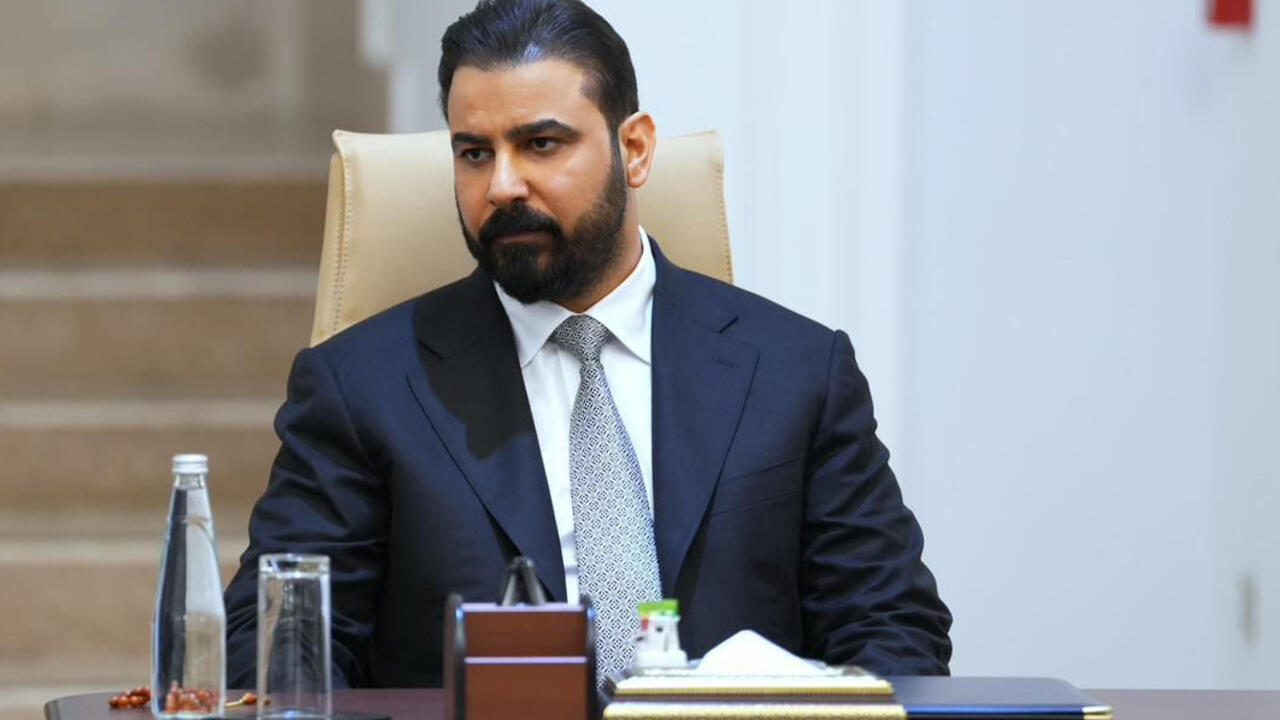
Iraqi President Nizar Amidi has appointed Ali Al-Zaydi to form the new government, a decision made under complex political circumstances. Al-Zaydi is confronted with several sensitive issues, most notably the arms of Iranian-affiliated groups, relations with Gulf states, and economic challenges stemming from regional crises.
According to the Iraqi constitution, Al-Zaydi has a 30-day deadline to form the government and present it to parliament for approval. If successful, he will become the youngest prime minister in Iraq's history.
Details of the Appointment
Al-Zaydi is expected to address the United States' demands for the disarmament of Iranian-backed factions, which have been classified as terrorist organizations. Additionally, he must work to repair relations with Gulf states, which have been strained by attacks from these factions during recent conflicts.
On the economic front, Al-Zaydi is anticipated to tackle the issues plaguing Iraq, especially following a sharp decline in revenues due to disruptions in the Strait of Hormuz, where oil exports account for about 90% of budget revenues.
Background & Context
Ali Al-Zaydi, a businessman in his forties, has investments across various sectors, including banking and food. He is viewed as a compromise candidate, having had no significant role in Iraqi politics prior to this appointment.
His nomination followed a U.S. veto against prominent political figures such as Nouri Al-Maliki, prompting political forces to seek an unknown figure in the political landscape, making Al-Zaydi a suitable choice at this juncture.
Impact & Consequences
The nature of the arms held by Iranian-affiliated factions represents one of the biggest challenges Al-Zaydi will face, as these groups have established a political and moral entity that affects Iraq's image abroad. Any attempt to confront them could lead to internal conflict, particularly since most of the weapons are in the hands of the Shiite component, which sees itself as the protector of the regime.
Furthermore, Al-Zaydi must consider the importance of relations with Gulf states, which hold significant sway in international decision-making. Any tension in relations with these countries could negatively impact Iraq's stability.
Regional Significance
The implications of Al-Zaydi's appointment extend beyond Iraq, as any change in the Iraqi government could affect regional balance. Al-Zaydi's success in improving relations with Gulf states may contribute to regional stability and enhance economic cooperation.
In conclusion, the greatest challenge facing Al-Zaydi remains how to build a strategic relationship with the United States, especially after his bank was placed on the sanctions list. His success in forming an independent government could help improve Iraq's economic and political situation.