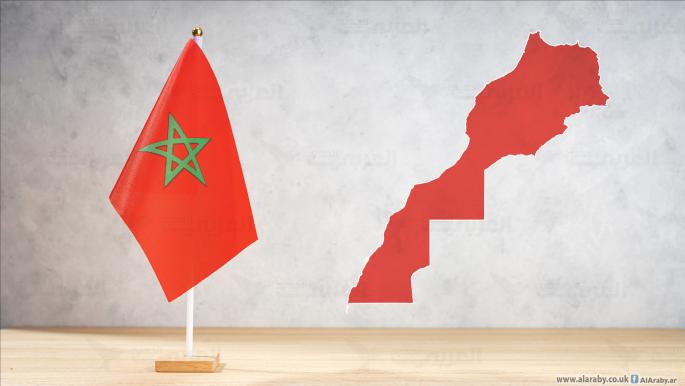
Despite the substantial efforts made by Morocco to achieve political reforms, the country still faces significant challenges in testing the potential for actual democracy. So far, the system has not succeeded in establishing a true separation of powers, raising questions about the effectiveness of these reforms.
Actual democracy is one of the primary goals Morocco seeks to achieve, but the challenges facing the country reflect the difficulty of reaching this objective. The balance between the executive, legislative, and judicial branches remains unstable, affecting citizens' ability to participate actively in political life.
Details of the Event
Morocco has undertaken numerous reforms since the beginning of the millennium, including constitutional changes and strengthening the role of parliament. However, obstacles still hinder the achievement of a genuine separation of powers. Political interventions in the work of judicial and legislative institutions raise concerns about their independence.
There is also anxiety regarding the decline of public freedoms, as reports indicate restrictions on freedom of expression and press freedom. These factors reflect the challenges Morocco faces in its pursuit of achieving true democracy.
Background & Context
Historically, Morocco has undergone significant political transformations since gaining independence in 1956. The country has experienced periods of political oppression before beginning to adopt gradual reforms in the last two decades. Nevertheless, these reforms continue to face criticism from human rights activists and international observers.
Morocco's experience with political reforms is seen as a model to be emulated in the region, but it also represents a major challenge. While Morocco strives to enhance its status as a democratic state, the reality indicates that the road ahead remains long.
Impact & Consequences
The failure to achieve a genuine separation of powers could exacerbate political and social crises in Morocco. Citizens eager to engage in political life may feel frustrated, potentially leading to a decline in trust in government institutions.
These challenges may also affect Morocco's international relations, as the country seeks to strengthen partnerships with Western nations. Democracy and human rights are fundamental conditions that Western countries impose in their relations with other nations.
Regional Significance
Morocco's experience with political reforms may have implications for other Arab countries striving for democracy. While Morocco faces challenges, its success in implementing political reforms could encourage other nations to take similar steps.
At the same time, this experience should serve as a lesson for countries suffering from oppression, demonstrating that reforms require genuine political will to succeed.
In conclusion, Morocco faces significant challenges in its quest for actual democracy. Political reforms need further efforts to achieve a true separation of powers, which will contribute to enhancing trust between citizens and the state.