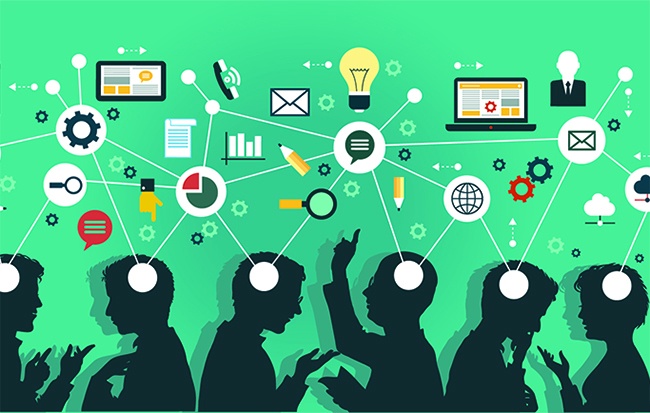
Education is one of the most important factors influencing children's growth and development. In this context, recent studies have shown that children can acquire eight essential skills through a simple educational system that focuses on self-learning and social interaction. These skills include critical thinking, collaboration, and creativity, contributing to their preparation for facing future life challenges.
The modern educational environment requires children to be able to adapt to the rapid changes in the world around them. Through a simple educational system, children can develop their skills in a natural and effective way, enhancing their ability to learn and interact with others.
Details of the Skills
The eight skills that children can acquire through this system include: critical thinking, which helps them analyze information and make informed decisions; collaboration, which enhances their ability to work within a team; creativity, which encourages them to think outside the box; effective communication, which allows them to express their ideas clearly; problem-solving, which enhances their ability to face challenges; flexibility, which helps them adapt to changing circumstances; social responsibility, which enhances their awareness of their surroundings; and finally, self-learning, which encourages them to explore knowledge independently.
These skills are essential in today's world, where the need for innovation and critical thinking is increasing across various fields. Through a simple educational system, children can develop these skills in a safe and supportive environment.
Background & Context
Historically, educational systems have undergone significant changes, transitioning from traditional rote learning to more interactive methods. This shift reflects the growing need to prepare children to face the challenges of the modern age. In many countries, new educational programs have been introduced to enhance self-learning and critical thinking.
These changes are necessary in light of the economic and social challenges facing societies. Today's children are the leaders of tomorrow, and it is crucial to equip them with the necessary tools to achieve success in the future.
Impact & Consequences
The benefits of acquiring these skills extend beyond the classroom. Children who possess critical thinking and collaboration skills are better equipped to adapt to future work environments. Additionally, fostering creativity and innovation can contribute to driving economic development in communities.
Moreover, enhancing social responsibility among children can lead to more cohesive and collaborative societies. Children who learn the importance of teamwork and positive interaction with others are more capable of building healthy and sustainable relationships in the future.
Regional Significance
In the Arab region, these skills are essential for addressing economic and social challenges. With the increasing need for innovation and critical thinking, these skills can contribute to promoting sustainable development in Arab countries.
Furthermore, enhancing education based on self-learning can improve the quality of education in the region, leading to the graduation of generations capable of effectively facing future challenges.
In conclusion, equipping children with these skills through a simple educational system is an important step towards building a better future. Education is the foundation that can achieve positive change in societies, and all stakeholders must work to promote these educational systems.