The Indonesian Pediatric Association (IDAI) has revealed that children are more susceptible to the dangers of exposure to microplastics and heavy metals such as lead from their surrounding environment. This statement was made during an event organized by the association in the Indonesian capital, Jakarta, where research confirmed that children are exposed to higher levels of these toxic substances compared to adults.
Dr. Erin Yuniar, a member of the Pediatric Emergency and Intensive Care Unit at IDAI, stated that children can be exposed to microplastics and lead from multiple sources such as water, air, and soil. She pointed out that children's behaviors and developmental characteristics make them more vulnerable to these risks.
Details of the Event
Dr. Erin explained that due to their lower weight and curious nature, children tend to put objects in their mouths, increasing their exposure to harmful substances. She noted that sources of exposure include play areas where children may come into contact with lead from peeling paint or contaminated soil.
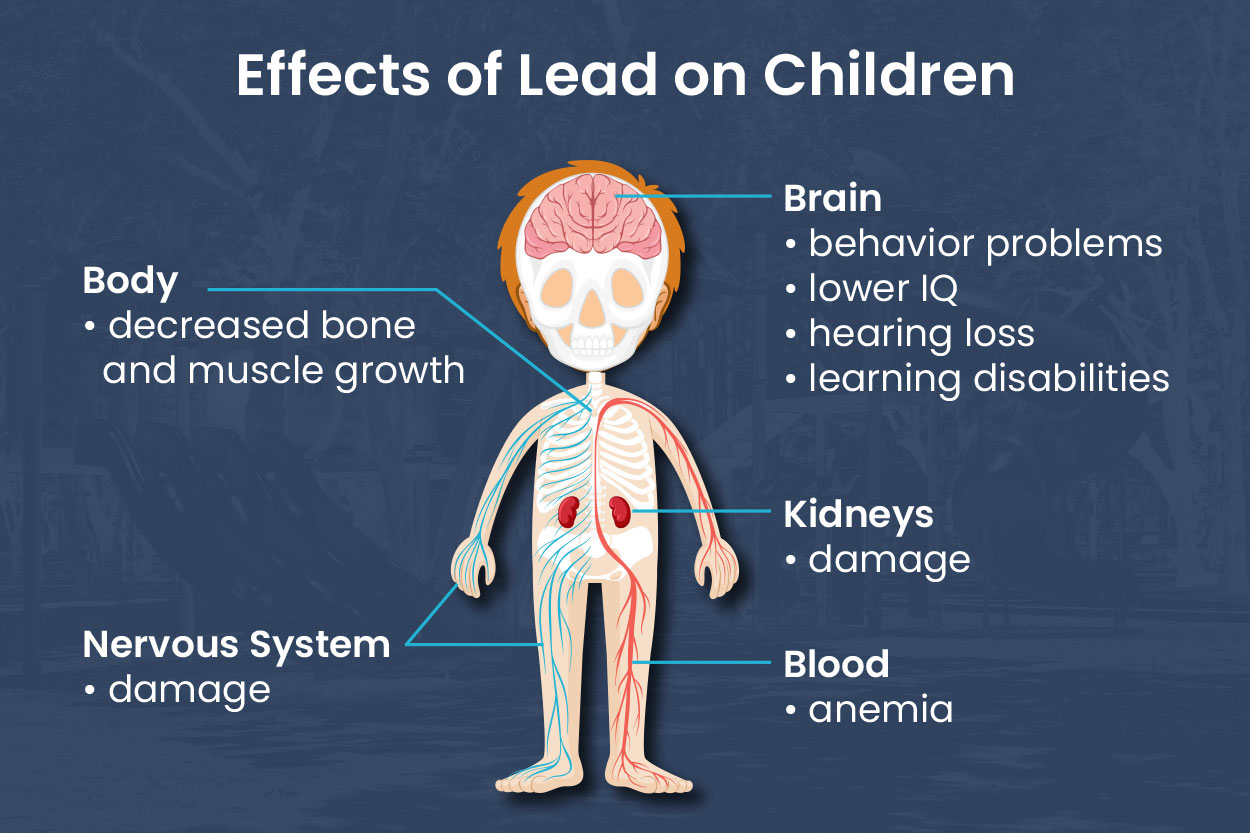
She also emphasized that exposure to lead can lead to serious health issues, including neurological disorders, anemia, and developmental delays. Additionally, she highlighted that children's ability to detoxify is not as strong as that of adults, making them more susceptible to negative effects.
Background & Context
The issue of pollution from microplastics and heavy metals is a global environmental concern that affects children's health. In recent years, worries have increased regarding the impact of these substances on children's mental and physical development. Studies indicate that continuous exposure to these materials can affect children's cognitive abilities, leading to lower intelligence levels and learning difficulties.
Historically, there have been global efforts to reduce the use of harmful materials, yet many countries still face significant challenges in addressing this issue. In Indonesia, the polluted environment is a consequence of rapid industrial growth and inadequate environmental regulations.
Impact & Consequences
The health risks resulting from exposure to microplastics and lead require immediate action from governments and communities. Public awareness regarding these dangers must be enhanced, alongside improving environmental regulations to protect children. Schools and health centers must also work to provide safe environments for children.
In the long term, these risks could lead to increased healthcare costs, as communities will need to address health issues arising from exposure to these substances. Therefore, investing in prevention and awareness is essential.
Regional Significance
Arab countries also face similar challenges regarding environmental pollution and its impact on children's health. With increasing urban and industrial growth, the risks of exposure to pollutants are rising. Thus, it is crucial for Arab nations to adopt effective strategies to protect children from these dangers.
In conclusion, governments and communities must work together to protect children from environmental risks. Enhancing awareness and implementing strict environmental regulations can contribute to improving the health of future generations.