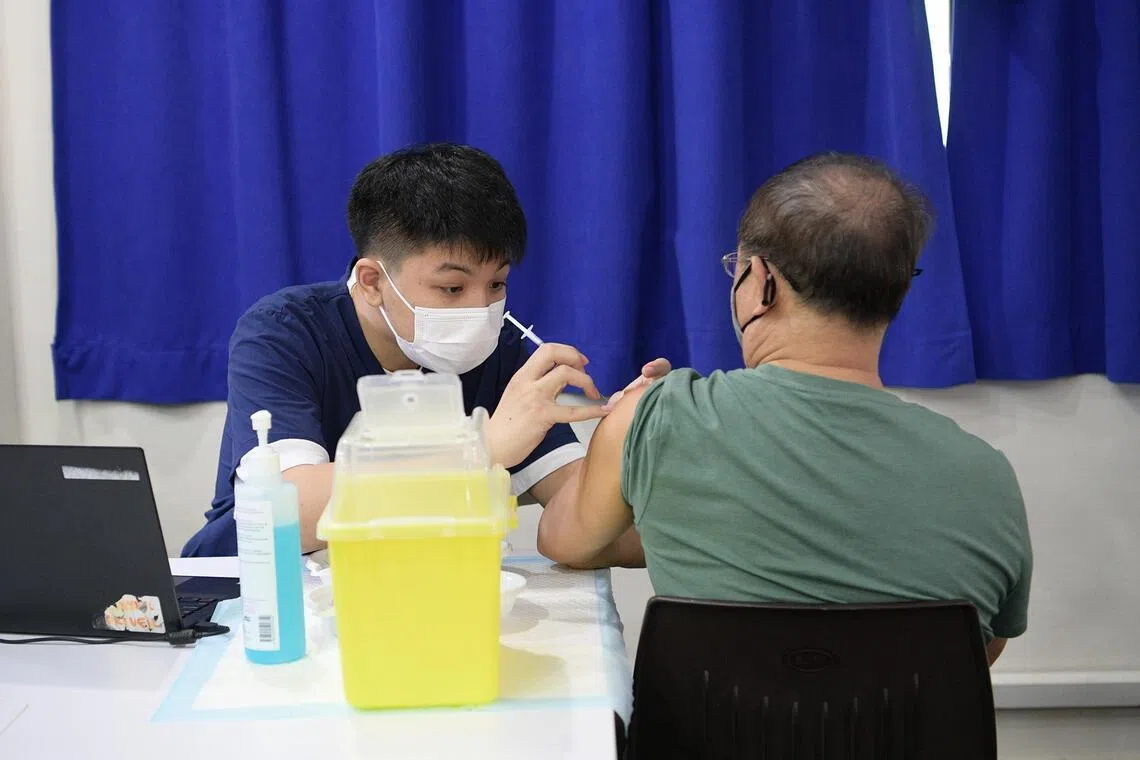
Recent health reports have indicated a significant increase in COVID-19 infections, with a total of 12,700 cases recorded last week. These figures have raised concerns among health experts, especially with one case daily requiring intensive care. This surge comes at a time when countries are striving to return to normalcy after prolonged restrictions.
There are growing fears that this rise in cases could place additional strain on hospitals, which are still reeling from the effects of previous waves of the virus. Officials have emphasized the importance of adhering to precautionary measures, such as wearing masks and maintaining social distancing, to curb the spread of the virus.
Event Details
According to the data, most new cases have been reported in urban areas, where population density is higher. It has also been observed that the most affected age group is the youth, raising questions about the effectiveness of vaccines in this demographic. Meanwhile, governments continue vaccination campaigns, focusing on raising awareness about the importance of getting vaccinated.
The government response also includes plans to expand testing, which aids in the early detection of new cases. Announcements have been made regarding the provision of more resources to hospitals, including medical equipment and healthcare personnel, to address any potential increase in critical cases.
Background & Context
Since the onset of the COVID-19 pandemic, the world has experienced several waves of infections, leading to strict restrictions on movement and social activities. As vaccination campaigns progress, some countries have begun to ease these restrictions, contributing to a return to normal life. However, the emergence of new virus variants has reignited concerns.
Historically, there have been times when countries witnessed sudden spikes in infection rates, resulting in the re-imposition of restrictions. This dynamic makes it essential for countries to remain vigilant and ready to adapt to the changing situation.
Impact & Consequences
The increase in COVID-19 cases could have negative effects on the economy, potentially leading to the re-imposition of restrictions on business and tourism activities. This would harm sectors that have begun to recover after prolonged periods of stagnation. Additionally, the pressure on the healthcare system may affect the provision of care for other patients, creating further challenges.
Moreover, the growing anxiety among citizens regarding public health could impact trust in the government and its ability to manage the crisis. It is crucial for governments to communicate effectively with the public to provide accurate information and alleviate concerns.
Regional Significance
In the Arab region, the repercussions of COVID-19 remain a vital topic as countries strive to balance public health and the economy. With the rise in cases, some nations may need to reconsider their strategies for dealing with the pandemic, affecting their economic recovery plans.
These circumstances require greater international cooperation, as Arab countries can share experiences and best practices in combating the pandemic. Additionally, enhancing collaboration in research and development for vaccines and treatments will have a positive impact on the entire region.