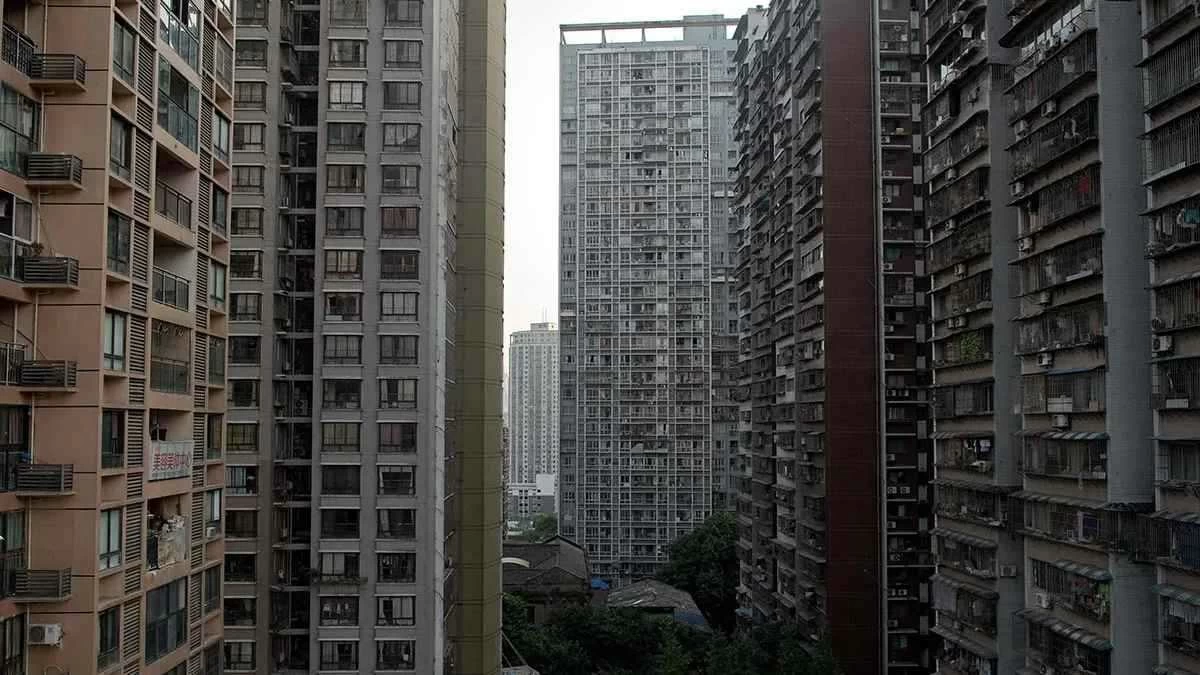
Chinese authorities have announced a ban on using residential apartments to store the ashes of the deceased, in a move aimed at regulating the phenomenon of 'ash apartments' that has notably spread in recent years. This decision comes in light of the increasing aging population and rising death rates, which have led some apartments to become venues for memorial ceremonies instead of relying on traditional cemeteries.
In recent years, some Chinese individuals have resorted to purchasing empty apartments to place the ashes of their deceased loved ones, as burial costs have risen significantly compared to relatively low property prices. These apartments have turned into closed spaces, often with drawn curtains and closed windows, containing pictures of the deceased and urns, along with candles used in traditional rituals to honor ancestors.
Details of the New Regulations
New laws have come into effect this week, explicitly prohibiting the use of residential units for burying or storing ashes. This step aims to regulate the phenomenon and prevent apartments from being converted into non-residential spaces, as pressures on burial services have increased due to significant demographic changes, with the number of deaths surpassing the number of births in the country.
These measures come at a time when China faces growing demographic challenges, as the declining birth rate has exacerbated pressures on burial services, raising their costs to record levels. Reports have shown that many Chinese families have begun seeking alternatives for storing the ashes of the deceased, leading to the emergence of this new phenomenon.
Historical Context and Background
Historically, China has relied on traditional rituals for burying the dead, where honoring ancestors is considered an integral part of Chinese culture. However, economic and social changes have led some families to turn towards more economical options, such as storing ashes in apartments.
This phenomenon is part of the cultural transformations occurring in China, where many seek to maintain their traditions in honoring the deceased, despite the changes taking place in society. Nevertheless, the government is striving to regulate this matter to avoid any negative repercussions on the social fabric.
Implications and Effects of the Ban
These new laws are expected to affect how Chinese families deal with the subject of death and burial. Many may be forced to seek other alternatives, such as eco-friendly burial or scattering ashes at sea, which the government encourages by offering financial incentives to citizens.
This step is also part of the government's efforts to promote environmental awareness, as it seeks to reduce the negative impacts of traditional burial on the environment. However, many Chinese still cling to the idea of having a physical place to honor the deceased, which may lead to new challenges in implementing these laws.
Significance for the Arab Region
This phenomenon in China serves as an example of how demographic and economic changes impact customs and traditions in societies. There may be lessons learned for Arab countries facing similar challenges in dealing with issues of death and burial.
In many Arab countries, traditions related to burial and honoring the deceased still hold significant importance, which may require governments to consider how to manage these issues in a manner that aligns with social and economic changes.
In conclusion, this phenomenon in China reflects the challenges faced by societies in preserving their traditions amid rapid changes, necessitating innovative solutions that align with cultural values.