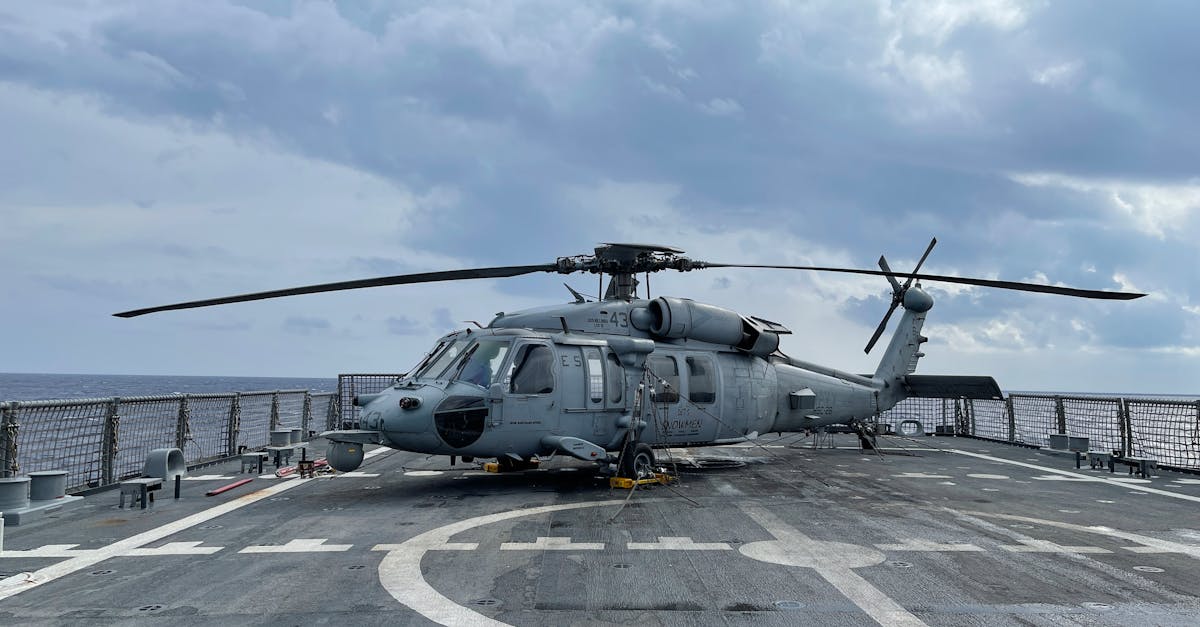
In an official statement, China announced that the military operations carried out by the United States and Israel against Iran are the main reason behind the blockade of the Strait of Hormuz. This declaration comes at a time when the region is witnessing escalating tensions, which raises concerns regarding maritime and economic security.
The Strait of Hormuz is a vital strategic point, through which approximately 20% of the world's total oil passes. This area has seen numerous military incidents that have heightened tensions among the involved nations. As a global power, China seeks to emphasize the importance of maintaining stability in this waterway.
Details of the Incident
In recent years, there has been a noticeable increase in American and Israeli military activities in the region, which has led to heightened tensions with Iran. These operations, which China describes as illegal, raise fears of a larger conflict that could impact regional and international security.
China's statements come at a time when Iran is facing mounting pressures, as the country deals with internal and external economic and political challenges. These circumstances have led to an enhancement of military postures by Tehran, complicating the situation in the region.
Background & Context
Historically, the Strait of Hormuz has been a focal point for political and military conflicts. For decades, there have been tensions between Iran and Western nations, particularly the United States. These tensions escalated following the US withdrawal from the Iranian nuclear deal in 2018, which resulted in the imposition of severe economic sanctions on Tehran.
In this context, China is considered a key ally of Iran, seeking to strengthen its economic and political ties with Tehran. Beijing has shown support for Iran in international forums, reflecting its desire to maintain a balance of power in the region.
Impact & Consequences
China's statements underscore the importance of diplomatic dialogue in resolving disputes in the region. If military operations continue, this could lead to undesirable escalation, threatening regional stability and impacting global oil prices.
Moreover, the continuation of tensions may push other countries to adopt more hardline stances, increasing the likelihood of armed conflicts. In this context, China plays a pivotal role in calling for de-escalation and negotiation to resolve disputes.
Regional Significance
The Arab countries neighboring the Strait of Hormuz are among the most affected by the tensions in the region. Any military escalation could directly impact the security and economy of these nations, raising concerns about negative repercussions on trade and oil.
Furthermore, the persistence of crises could lead to increased divisions among Arab states, complicating regional cooperation efforts. Therefore, it is crucial for Arab nations to adopt unified positions towards these challenges to ensure regional stability.
In conclusion, China's statements highlight the importance of dialogue and diplomacy in addressing the complex issues surrounding the Strait of Hormuz. Maintaining security and stability in this vital region requires collective efforts from all concerned parties.