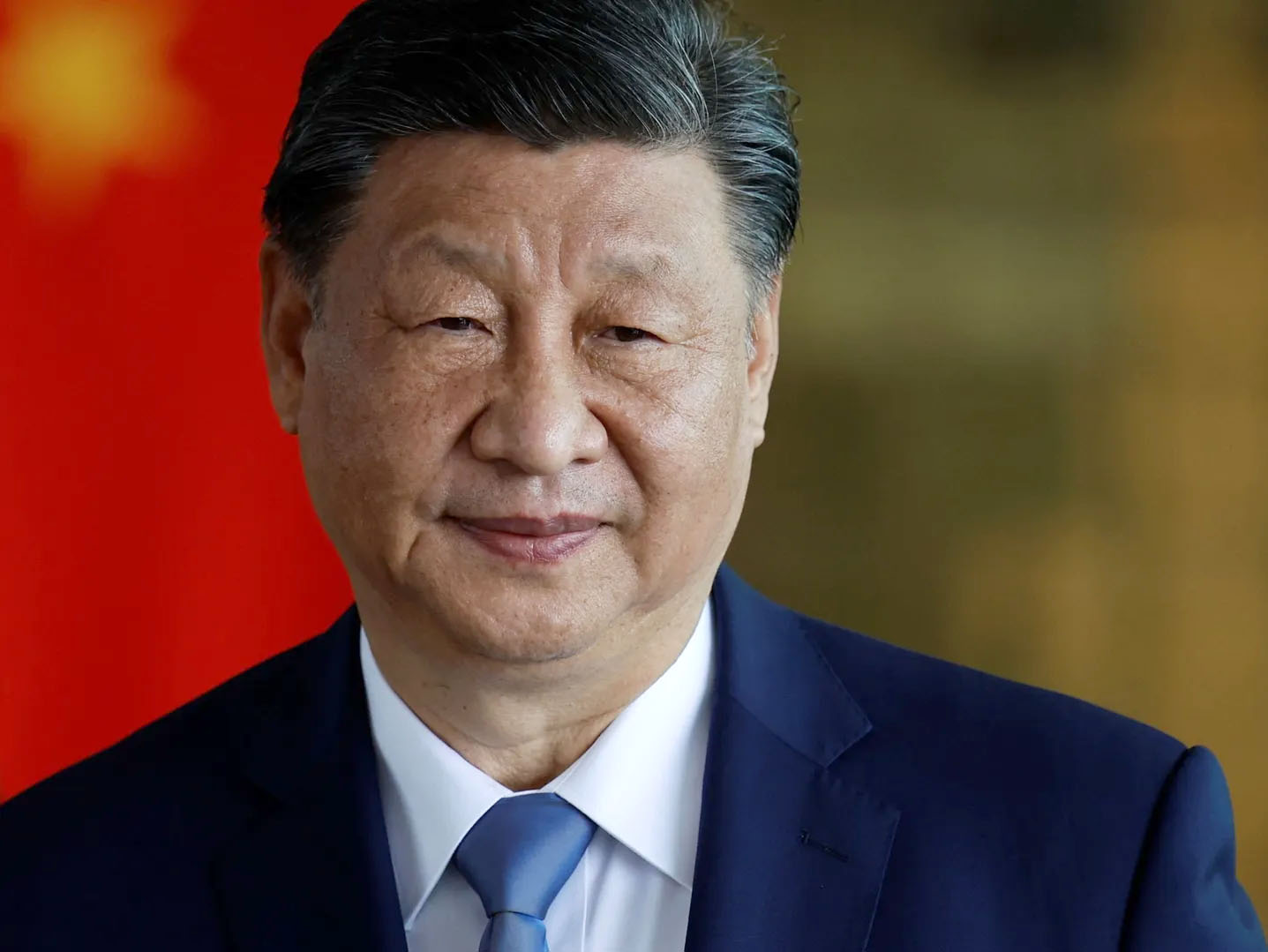
The Chinese Foreign Ministry has urged relevant parties in the Middle East to initiate peace talks to address escalating tensions. The ministry emphasized that "hot issues must be resolved through dialogue," stressing the need for all parties to work towards negotiations to alleviate the situation. These statements come at a time when the Middle East is witnessing a rise in conflicts and regional instability.
Concerns are growing about the worsening conditions in the region, where tensions are escalating among several countries, necessitating urgent international intervention. China, as a major power, has underscored the importance of dialogue as a means to resolve conflicts, indicating that peace and stability in the Middle East can only be achieved through mutual understanding and cooperation.
Details of the Call for Dialogue
China's call comes at a sensitive time, as the region is experiencing an increase in conflicts, including the Israeli-Palestinian conflict and disputes in Syria and Yemen. China has shown a growing interest in Middle Eastern affairs, seeking to enhance its role as a mediator in regional conflicts.
In recent years, China has seen an increase in its investments in the Middle East, making it a key player in achieving stability in the region. Observers have noted that China is looking to use its diplomacy to strengthen its relationships with Arab countries, reflecting its desire to expand its influence on the international stage.
Background & Context
Historically, China has adopted a policy of non-interference in the internal affairs of other countries, but with its growing economic and political influence, it has begun to shift this policy. China aims to strengthen its relations with Arab countries through the Belt and Road Initiative, which seeks to enhance trade and investment links.
China is considered one of the largest trading partners of Arab countries and has shown increasing interest in regional issues. These dynamics have prompted China to take a more active stance in advocating for dialogue to resolve conflicts in the Middle East.
Impact & Consequences
China's call for dialogue could open new avenues for regional cooperation, potentially helping to ease tensions between conflicting states. This call may also bolster China's position as a reliable mediator in regional disputes, which could alter the power dynamics in the Middle East.
This move could increase pressure on the involved countries to come to the negotiating table, contributing to the achievement of peace and stability in the region. However, the question remains about China's ability to influence the conflicting parties, especially given the political and social complexities facing the region.
Regional Significance
China's call for dialogue is a positive step amid the tense conditions in the Middle East, as it could contribute to enhancing peace efforts. This call also reflects China's interest in the interests of Arab countries, which may lead to strengthened bilateral cooperation in various fields.
Ultimately, there is hope that this call will contribute to achieving peace and stability in the Middle East and mark the beginning of a new era of cooperation between Arab countries and China.