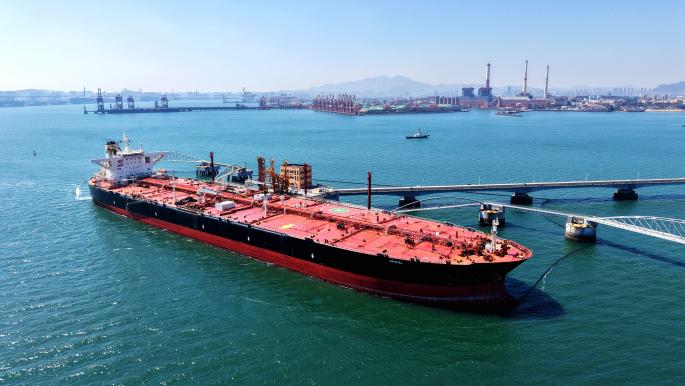
The top leadership in China has declared its intention to enhance the country's energy security, anticipating any shocks that may arise from tense geopolitical conditions, especially in the Hormuz region. This announcement coincides with a period where the Chinese economy is demonstrating better-than-expected performance, reflecting the nation's capability to confront external challenges.
Amid increasing crises in global energy markets, China is striving to secure its energy supplies more effectively. Officials have emphasized the importance of taking proactive measures to ensure stability in the domestic market, particularly given the rising tensions in the Gulf region.
Details of the Announcement
This initiative comes at a sensitive time, as concerns grow over the impacts of the Iran conflict on global energy markets. Reports have confirmed that China, as the world's largest oil importer, is fully aware of the potential risks that could affect its energy supplies.
Chinese officials have indicated that enhancing energy security involves diversifying supply sources, increasing investments in renewable energy, and strengthening cooperation with oil-producing countries. They also stressed the importance of developing the country's energy infrastructure to ensure sustainable supplies.
Background & Context
Historically, the Hormuz region is one of the most critical maritime corridors in the world, through which a significant percentage of global oil supplies pass. This area has witnessed recurring tensions due to political and military conflicts, raising concerns about the stability of oil prices.
In recent years, China has taken strategic steps to strengthen its relationships with oil-producing nations in the Middle East, including Iran and Saudi Arabia. These relationships are vital for ensuring the energy supplies necessary for sustainable economic growth.
Impact & Consequences
Strengthening energy security in China could have wide-ranging effects on global markets. With increasing energy demand, oil prices may experience significant fluctuations, impacting the global economy as a whole.
This move may also bolster China's position on the international stage, as it seeks to become a key player in the global energy market. These strategies are expected to improve relations with oil-producing countries, potentially contributing to market stability.
Regional Significance
For Arab nations, enhancing energy security in China may open new avenues for economic cooperation. China is an important trade partner for many Arab countries, particularly in the fields of energy and infrastructure.
Moreover, stability in Chinese markets could contribute to improving economic conditions in the region, enhancing investment and trade opportunities between Arab nations and China.
In conclusion, it appears that China is diligently working to secure its economic future by enhancing energy security, reflecting its ambitious strategy in facing global challenges.