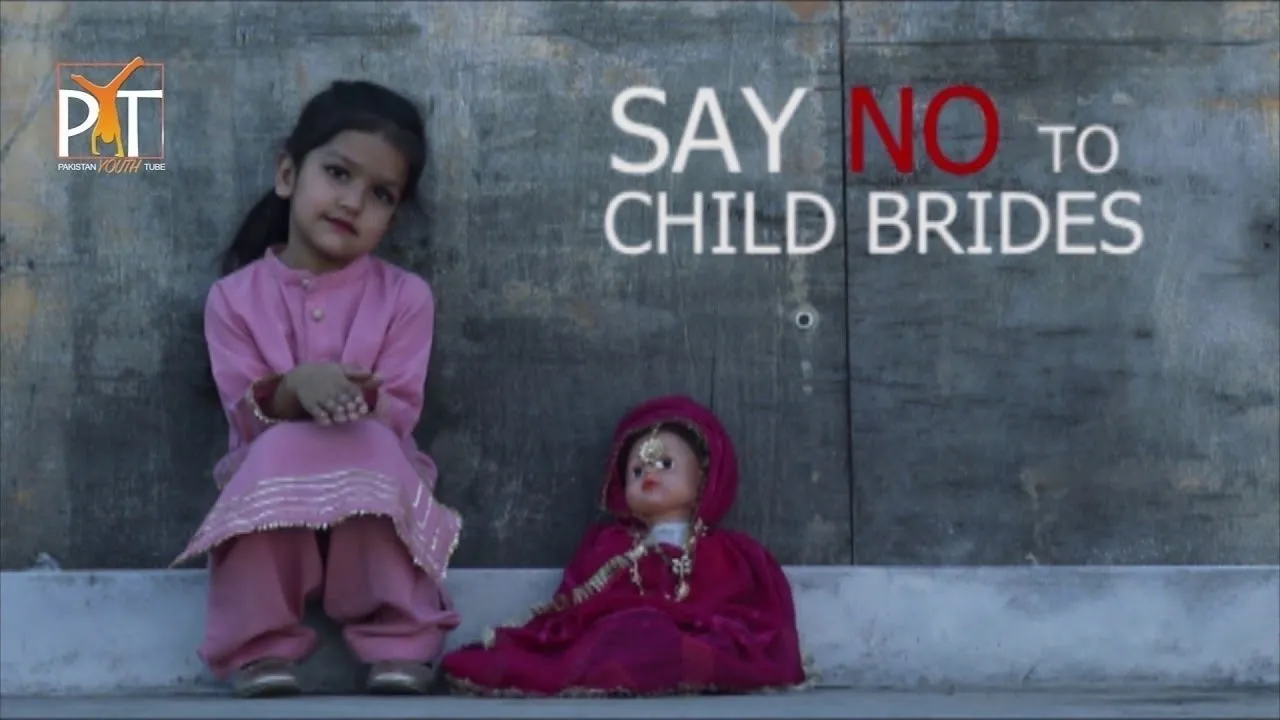
The National Assembly in Pakistan's Punjab province has passed a law criminalizing marriage for those under the age of 18, marking a significant step towards protecting children's rights and promoting gender equality. This law, which was passed unanimously, reflects the Pakistani government's commitment to addressing the issue of early marriage that affects many girls in the country.
This move is historic, as Pakistan has been one of the countries with high rates of early marriage, leading to negative impacts on girls' health and education. The new law aims to reduce this phenomenon by imposing penalties on individuals who marry off children below the legal age.
Details of the Legislation
The law was approved after extensive discussions in the National Assembly, where the importance of protecting children's rights was emphasized. It includes strict penalties such as imprisonment and financial fines for violators. Officials have indicated that this legislation is part of the government's commitment to improving the status of women's and children's rights in Pakistan.
Early marriage is a sensitive issue in Pakistani society, with studies confirming that many girls are married at a young age, adversely affecting their educational opportunities and health. This law is expected to contribute to changing the prevailing culture surrounding early marriage.
Background & Context
Historically, Pakistan has struggled with social traditions that promote early marriage, where marrying at a young age is considered part of the culture in some regions. However, voices calling for a change in these customs have begun to rise, particularly from human rights organizations and activists seeking to protect children's rights.
In recent years, Pakistan has witnessed increased efforts to combat early marriage, including awareness and education campaigns about children's rights. This law comes as part of those efforts and reflects the social changes occurring in the country.
Impact & Consequences
This law is expected to have a significant impact on Pakistani society, as it will help reduce the number of early marriage cases. It will also enhance girls' rights to education and health, contributing to an overall improvement in living standards.
Moreover, this legislation may encourage other countries in the region to take similar steps to combat early marriage. The success of this law depends on how it is implemented and monitored, requiring cooperation between the government and civil society.
Regional Significance
Early marriage is a common issue among many Arab countries, with some communities facing the same phenomenon. Pakistan's experience could have a positive influence on Arab nations, inspiring them to adopt similar legislation to protect children's rights.
Enhancing women's and children's rights in the Arab world requires integrated efforts that include laws and community awareness. Therefore, Pakistan's success in this area could serve as a model for the region.