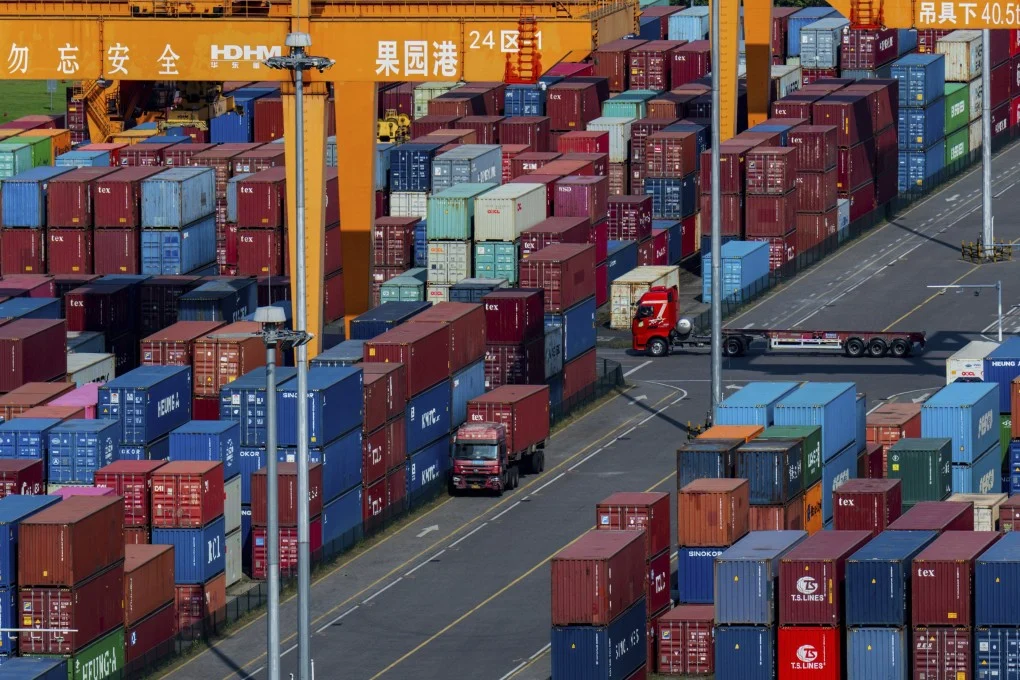
China has announced the implementation of a new regulation concerning supply chain security, which grants Chinese officials broad powers to penalize any entities deemed a threat to the country's access to vital resources and the flow of goods. This regulation, consisting of 18 points, was approved on March 31, but the full text was only published last Tuesday, highlighting the importance of protecting supply chains as a matter of national security.
The new regulation comes amid escalating global tensions, as China seeks to enhance its capacity to confront economic and political challenges. This measure aims to secure industrial supply chains and maintain national economic stability in the face of changing global conditions.
Details of the Regulation
The new regulation includes a set of measures designed to enhance security in supply chains, including imposing sanctions on companies or individuals considered a threat to national security. It also encompasses mechanisms for monitoring and analyzing potential risks that may affect the flow of goods and resources.
The Chinese government aims to foster cooperation between government entities and the private sector through this regulation, contributing to improving the country's response to external threats. Additionally, this regulation is expected to lead to increased investments in industrial security and advanced technology sectors.
Background & Context
Historically, China has undergone significant transformations in its economic policy, becoming one of the largest economies in the world. However, trade tensions with major countries, particularly the United States, have impacted the stability of supply chains. In recent years, China has faced increasing challenges related to food and energy security, prompting the government to take proactive steps to protect its economic interests.
This move is part of China's efforts to enhance its economic sovereignty and reduce reliance on foreign markets. It also contributes to expanding government oversight over economic activities, reflecting a growing trend towards protecting national interests.
Impact & Consequences
These new rules may lead to significant changes in how supply chains are managed in China, potentially affecting both foreign and domestic companies. Operational costs are expected to rise due to compliance with these regulations, which could impact market prices.
Moreover, these measures may increase trade tensions between China and other countries, as these steps could be perceived as protective measures. At the same time, these regulations may encourage companies to seek alternative sources of resources, which could affect global market dynamics.
Regional Significance
For the Arab region, this regulation may have multiple implications. Many Arab countries rely on trade with China, and any changes in Chinese supply chains could affect the flow of goods to Arab markets. Additionally, China's enhancement of supply chain security may open new investment opportunities in technology and infrastructure sectors.
In conclusion, China's new regulation demonstrates the government's commitment to protecting its economic interests in a volatile global environment. It is crucial to monitor developments in this context, as they may impact trade and economic relations between China and Arab countries.