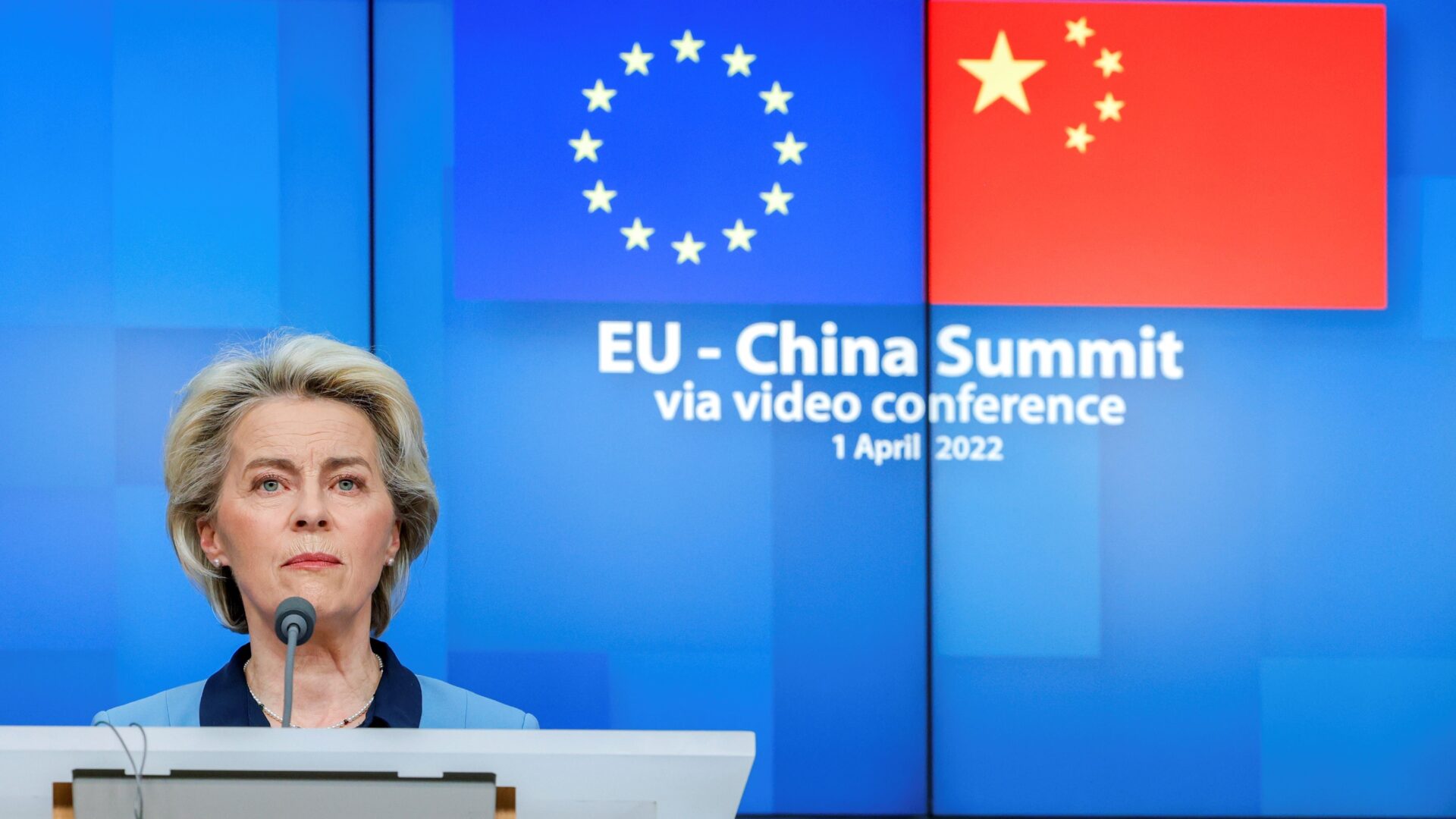
China has issued new guidelines regarding e-commerce following a visit from a delegation of European Parliament members, aimed at improving the business environment and enhancing trade cooperation between China and European countries. The recent visit reflects both parties' interest in strengthening economic relations and expanding the scope of e-commerce.
The new guidelines encompass a range of policies designed to facilitate e-commerce operations, including improving customs procedures and simplifying laws related to online trade. These policies also focus on consumer rights protection and enhancing transparency in commercial transactions.
Details of the Visit
During the visit, European lawmakers discussed with Chinese officials the challenges facing e-commerce, including cybersecurity issues and data protection. The Chinese side emphasized its commitment to enhancing cooperation with the European Union in this area, highlighting the importance of information and experience exchange.
The importance of innovation in e-commerce was also addressed, as China seeks to promote the use of modern technology in this sector. European lawmakers expressed significant interest in technological developments in China, reflecting their desire to enhance cooperation in areas such as artificial intelligence and digital trade.
Background & Context
China is considered one of the largest e-commerce markets in the world, having experienced substantial growth in recent years. According to reports, the size of the e-commerce market in China reached approximately $2.3 trillion in 2021, making it a leader in this field globally.
These new guidelines come at a sensitive time, as the European Union seeks to strengthen its trade relations with China amid global trade tensions. Studies have shown that cooperation in e-commerce could contribute to economic growth for both sides.
Impact & Consequences
Analysts expect these guidelines to improve the business environment in China, attracting more foreign investments. Additionally, enhanced cooperation with the European Union may open new markets for Chinese companies, boosting their competitiveness on a global scale.
Furthermore, these guidelines could lead to an improved consumer experience in China, contributing to increased transparency and protection of consumer rights. The enhancement of e-commerce may also create new job opportunities in this growing sector.
Regional Significance
E-commerce is a vital area that can contribute to strengthening the Arab economy. With the increasing reliance on digital trade in the region, cooperation between Arab countries and China in this field could foster economic growth and improve living standards.
Moreover, strengthening trade relations between China and Arab countries could open new avenues for collaboration in technology and innovation, enhancing the ability of Arab nations to compete in the global market.
The new guidelines issued by China regarding e-commerce represent an important step towards enhancing trade cooperation with the European Union and may have positive implications for the global economy, including the Arab region.