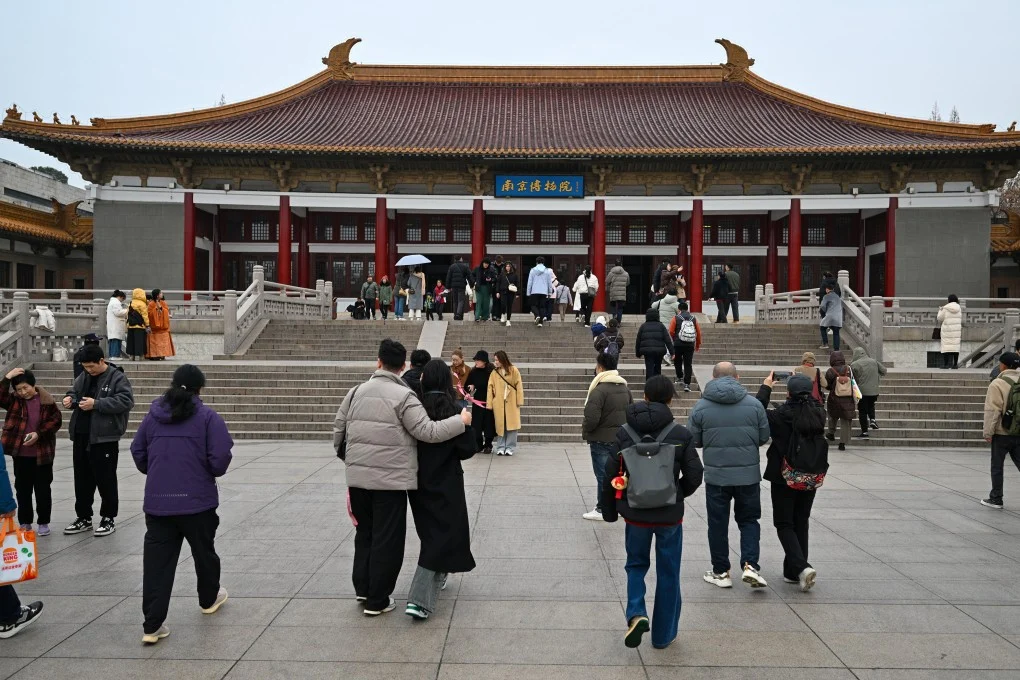
The Chinese government has announced the launch of a comprehensive inspection campaign for all state-owned museums, following a significant scandal involving the illegal sale of national artifacts. This campaign, initiated by the National Cultural Heritage Administration, aims to conduct a thorough inventory of all museum collections throughout this year.
This move comes after investigations revealed the involvement of former officials at the Nanjing Museum, who sold artifacts donated to the state for personal gain over decades. The scandal has sparked widespread reactions within Chinese society, prompting the government to take strict measures to ensure the protection of cultural heritage.
Details of the Inspection Campaign
The new campaign requires every state-owned museum to conduct a comprehensive inventory of its collections and verify each artifact against official records. This process will involve a meticulous examination of each item, reflecting the government's commitment to preserving cultural heritage and protecting it from corruption.
Investigations into the Nanjing scandal uncovered the sale of artifacts valued at up to 12 million USD, raising significant concerns about how museums are managed and monitored. The government hopes this campaign will help restore trust in cultural institutions and enhance transparency.
Background & Context
Historically, China has been rich in cultural heritage, housing numerous artifacts dating back thousands of years. However, corruption and mismanagement in some cultural institutions have tarnished the reputation of these museums. The recent scandal in Nanjing is not the first of its kind, as the country has witnessed several similar cases in the past.
The Chinese government is seeking to strengthen laws and regulations related to the protection of cultural heritage, as this step is part of broader efforts to combat corruption across various sectors, including culture and the arts.
Impact & Consequences
This campaign is expected to significantly affect how museums are managed in China. With increased oversight, policies regarding donations and sales may change, potentially leading to improved management of archaeological collections. Additionally, this move may encourage greater transparency in handling cultural heritage.
Moreover, this campaign could contribute to boosting cultural tourism in China, as preserving cultural heritage reflects a positive image of the country and attracts visitors from around the globe.
Regional Significance
The issue of protecting cultural heritage is crucial worldwide, including in Arab countries. Many Arab nations face similar challenges regarding the protection of their antiquities and cultural heritage. China's experience in addressing corruption within cultural institutions could serve as an important lesson for Arab countries seeking to enhance the protection of their heritage.
In conclusion, this campaign reflects the Chinese government's commitment to safeguarding its cultural heritage, opening doors for improved museum management and enhanced transparency. Preserving cultural heritage is not just a national responsibility but a global duty that requires cooperation and coordination among nations.