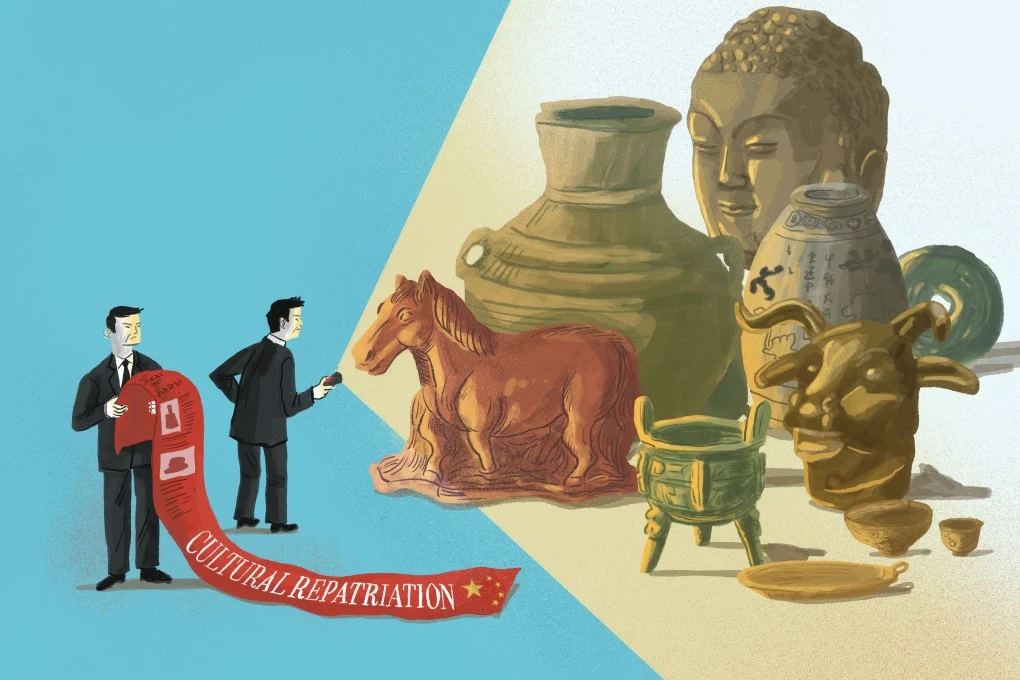
Eyes are turning towards China, which seeks to become a global leader in recovering lost cultural artifacts at a time when the United States is noticeably withdrawing from cultural and scientific organizations worldwide. This initiative is part of a comprehensive strategy based on law and diplomacy, where China is working to form alliances with Southern nations to enhance its position in this field.
Last January, as the United States began its withdrawal from various cultural bodies, China intensified its efforts to recover cultural heritage that had been looted during past wars. Beijing aims to return artistic and historical pieces that are considered part of its cultural identity, reflecting its desire to restore its status as a global cultural power.
Details of the Initiative
China employs a range of legal and diplomatic tools to facilitate the recovery of cultural artifacts. It has signed agreements with several countries and participated in international conferences aimed at enhancing cooperation in the field of cultural heritage recovery. Additionally, China seeks to utilize multiple platforms to bolster its position, including collaboration with Southern nations that also suffer from the loss of their cultural heritage.
These efforts are part of a broader strategy aimed at rewriting the rules of cultural recovery, as China seeks to fill the void left by the United States after its withdrawal from many international organizations. This move is seen as a response to Western cultural dominance, with China striving to enhance its image as a supporter of cultural justice.
Background & Context
Historically, China has faced widespread looting of its cultural artifacts during wars, resulting in the loss of many artistic and historical pieces that are integral to its heritage. In the 19th century, numerous Chinese museums were plundered by colonial powers, leaving a profound impact on Chinese cultural identity. In recent years, China has begun to take serious steps to recover these artifacts, capitalizing on global geopolitical changes.
These efforts coincide with a growing global awareness of the importance of cultural heritage, as many countries seek to recover their lost pieces. This has led to the formation of new alliances among nations suffering from the loss of their heritage, thereby strengthening China's position in this context.
Impact & Consequences
China's efforts to recover cultural heritage have wide-ranging implications on the international stage. By enhancing its position as a cultural power, China aims to change the rules of the game in the field of cultural recovery, which could lead to shifts in global cultural policies. Furthermore, these efforts may contribute to strengthening cooperation among developing countries, bolstering their stance against major powers.
Moreover, these steps could escalate tensions between China and Western nations, as the latter believe that cultural heritage recovery should occur according to certain international laws. Consequently, the international arena may witness increased discussions surrounding cultural property rights.
Regional Significance
China's efforts in recovering cultural heritage hold particular significance for the Arab region, where many Arab countries suffer from the loss of their cultural heritage due to conflicts and wars. China's experience may serve as a model for Arab nations in their quest to recover their lost cultural artifacts. Additionally, enhancing cooperation between Arab countries and China in this field could contribute to strengthening Arab cultural identity.
In conclusion, China's initiatives in recovering cultural heritage represent a strategic step aimed at enhancing its status as a global cultural power. With the increasing awareness of the importance of cultural heritage, the international arena may witness significant changes in how cultural recovery issues are addressed.