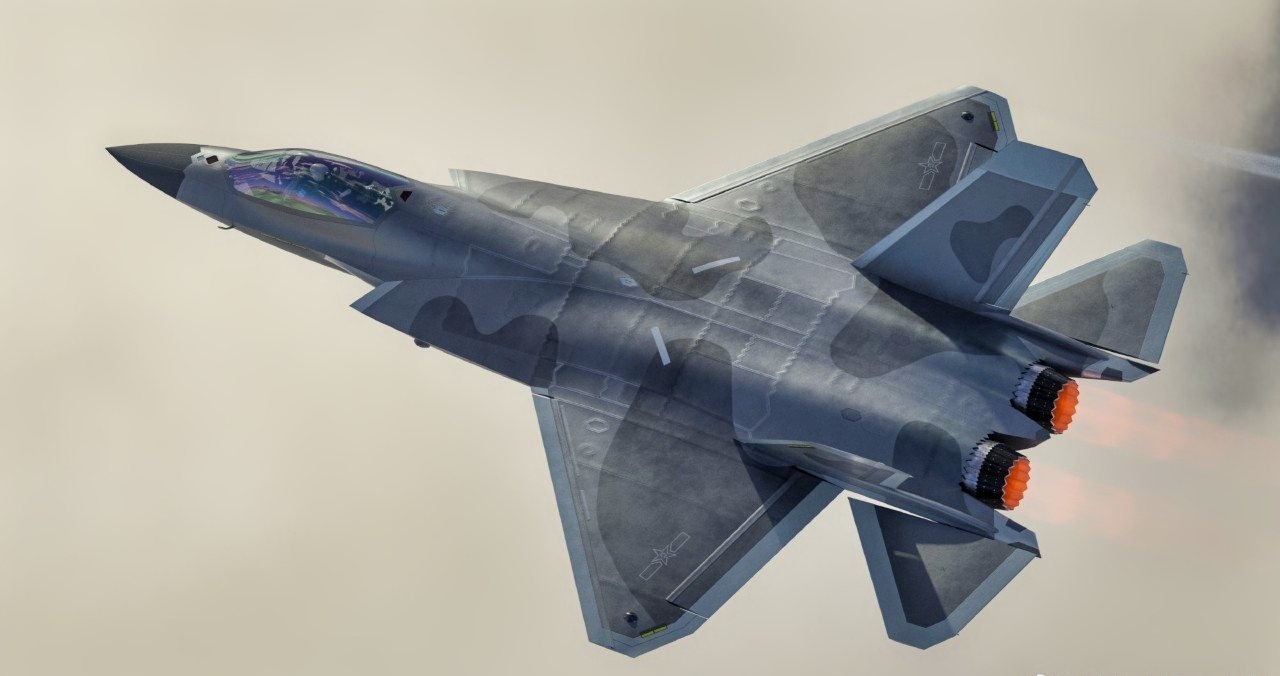
China has officially announced the name 'Blue Shark' for its new stealth fighter, the J-35, signifying a transition from the development phase to initial integration within the naval aviation force. This fighter jet is part of China's ongoing efforts to enhance its naval military capabilities and develop advanced aviation technologies.
The J-35 fighter features an advanced design that allows it to perform multiple missions, including air strikes and air support. It is equipped with stealth technologies that make it less detectable by radar, increasing its effectiveness in military operations. These characteristics make the J-35 a valuable addition to China's military arsenal.
Event Details
The J-35 was unveiled as part of a fighter jet development program that China has been pursuing for several years. This aircraft is designed to meet the needs of the naval aviation force, as China seeks to bolster its presence in oceans and seas. With the launch of the name 'Blue Shark', China hopes to enhance national pride and military pride among its citizens.
The J-35 is part of China's broader strategy to strengthen its military capabilities, as the country aims to develop new technologies to address increasing security challenges in the region. This fighter jet is expected to play a pivotal role in China's future military operations.
Background & Context
This move comes amid rising military tensions in the Pacific region, where China is looking to expand its military influence. In recent years, China has enhanced its naval capabilities by developing new warships and advanced fighter jets. The development of the J-35 is part of this trend, as China seeks to achieve a strategic balance with other military powers, such as the United States.
Historically, China relied on imported technology to develop its military capabilities, but over the years, the country has begun to develop advanced domestic technologies. The J-35 is an example of this shift, as it has been designed and manufactured entirely in China.
Impact & Consequences
These developments could affect the military balance in the region, potentially prompting neighboring countries to enhance their military capabilities in response to new challenges. Additionally, China's increased military capabilities may escalate tensions in the Pacific, warranting international attention.
The J-35 also signifies the technological advancements that China is achieving in military aviation. This progress could open new avenues for cooperation or competition among major powers in the defense sector.
Regional Significance
Although military developments in China may seem distant from the Arab region, they have indirect implications. Increased tensions in the Pacific could lead to changes in defense strategies among Arab nations, especially those closely tied to major powers.
Moreover, the enhancement of Chinese military capabilities could impact the balance of power in the Middle East, as some Arab countries may seek to bolster their military capabilities to address regional challenges.
In conclusion, the naming of the J-35 as 'Blue Shark' marks an important step in China's journey to enhance its military capabilities. These developments require close monitoring by the international community, as they may influence military balances in the region and the world.