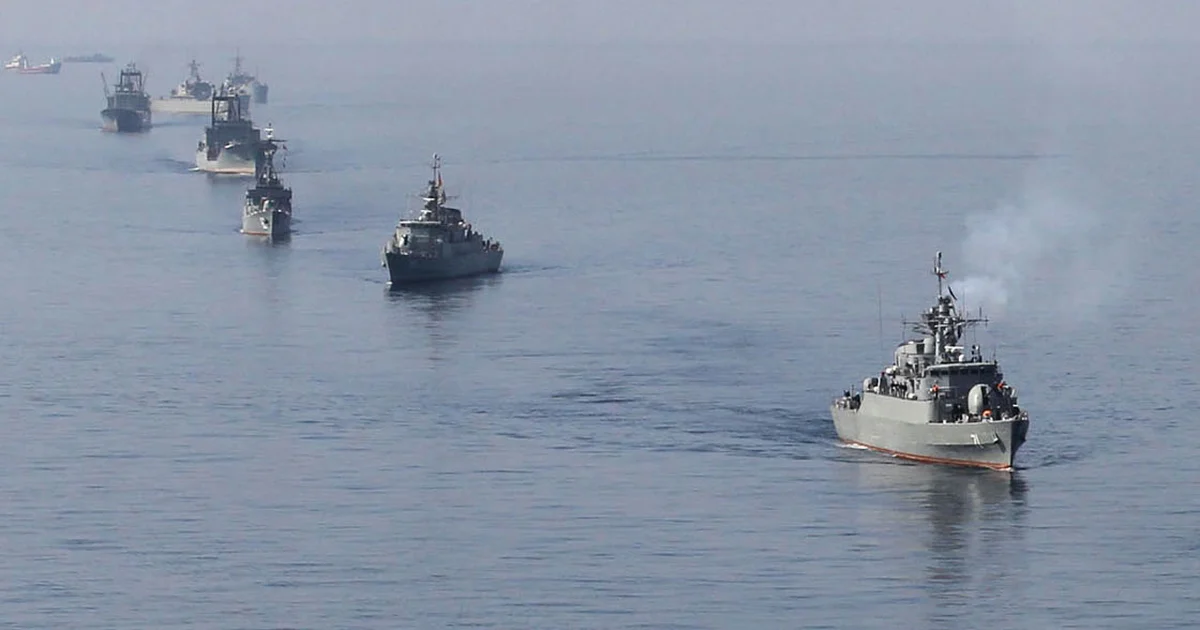
An international arbitrator has indicated that the ongoing Hormuz crisis, marked by escalating tensions, will leave behind complex legal disputes and substantial compensation claims once the conflict concludes. These statements come at a critical time, as fears grow regarding the implications of the conflict on regional security and the global economy.
The Strait of Hormuz is one of the most vital waterways in the world, with approximately 20% of the world's total oil passing through it. Any escalation in the conflict could directly impact oil prices and global financial markets.
Details of the Event
Tensions in the region are rising, with involved nations exchanging accusations regarding responsibility for the recurring crises. The international arbitrator noted that the potential legal disputes would pertain to navigation and trade rights, which could lead to complex lawsuits.
Reports anticipate that the financial compensation resulting from these disputes will be enormous, affecting the budgets of the involved nations. There are also concerns that these disputes could lead to greater military escalation in the region.
Background & Context
Historically, the Hormuz region has witnessed numerous conflicts due to its strategic location. In recent years, tensions between Iran and Western nations have intensified, exacerbating the crises. This backdrop complicates efforts to reach peaceful resolutions.
Additionally, other factors influence the situation, such as fluctuations in oil prices and the economic policies of major countries. All these elements contribute to the complexity of the regional landscape.
Impact & Consequences
The legal disputes arising from the Hormuz crisis are expected to have negative effects on the global economy. Oil markets could be significantly impacted, potentially leading to rising prices and increased costs for consumers.
Moreover, the legal disputes may take years to resolve, further increasing instability in the region. This situation could prompt nations to take military actions, heightening the risk of escalation.
Regional Significance
The Arab nations neighboring the Strait of Hormuz are likely to be the most affected by this crisis. Any escalation in the conflict could undermine the stability of these countries and increase internal tensions.
The economic impact will also be tangible, as many Arab nations rely on oil exports. Therefore, any disruptions in the Strait of Hormuz could lead to severe economic repercussions.
In conclusion, the Hormuz crisis remains a sensitive issue that requires urgent international attention. Addressing the legal disputes and finding peaceful solutions will significantly impact security and stability in the region.