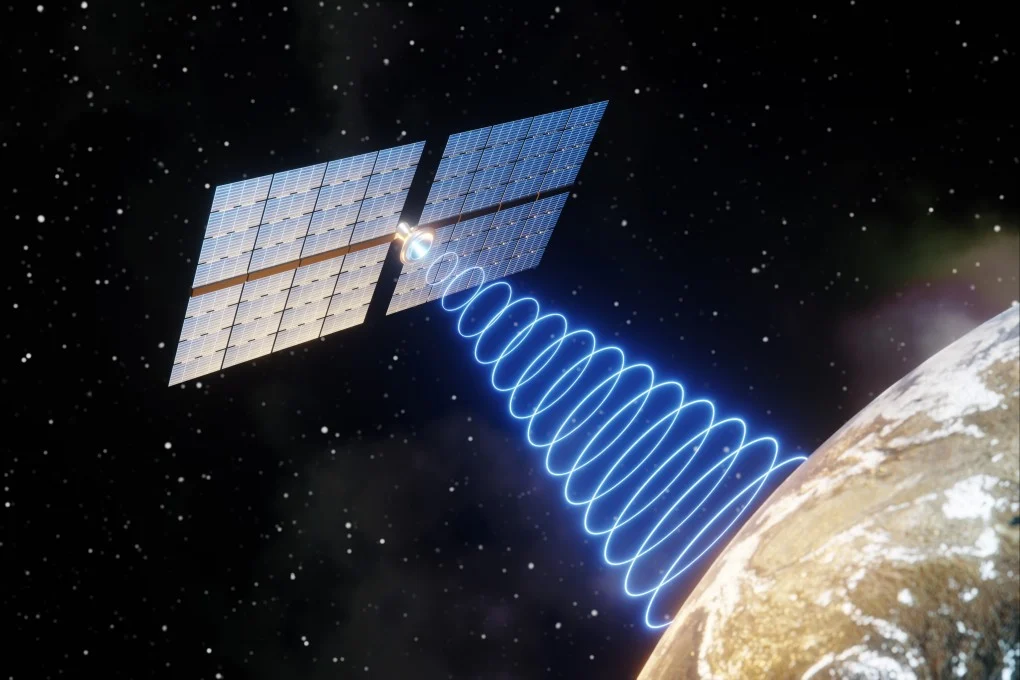
A prominent Chinese scientist has unveiled the military applications of space-based solar power technology, explaining how energy transmitted from orbit could also support surveillance and electronic warfare. This was detailed in a research paper published last month by Duān Bàoyán, a key architect of the space solar power initiative 'Zhuri', in the journal 'Scientia Sinica Informationis'.
Bàoyán noted that his team has updated the design of the massive orbital infrastructure, reflecting the technological advancements China has achieved in this field. In addition to energy transmission, this new design opens new horizons for using solar power for military purposes, reflecting China's strategic direction towards enhancing its defense capabilities.
Details of the Initiative
The Chinese initiative 'Zhuri' involves designing a solar power station in space aimed at collecting solar energy and converting it into electrical power that can be transmitted to Earth. This technology could revolutionize how energy is utilized, potentially providing nearly unlimited power to meet the growing energy demands worldwide.
However, the potential military uses of this technology raise concerns. Bàoyán indicated that energy transmitted from space could be used to support surveillance operations, granting military forces the ability to monitor enemy movements more effectively. It could also be employed in electronic warfare to disrupt communication and guidance systems of adversaries.
Background & Context
China is considered one of the leading countries in developing renewable energy technologies and has invested significantly in solar energy research. This initiative is part of China's efforts to enhance its energy independence and reduce reliance on traditional energy sources. Furthermore, the development of these technologies aligns with China's military strategy aimed at strengthening its capabilities in space.
In recent years, there has been an increase in competition among major powers in the field of space, with each country striving to enhance its presence and capabilities in this domain. China has demonstrated a strong commitment to developing new technologies in space, reflecting its global ambitions.
Impact & Consequences
The development of China's space solar power technology and its military applications could change the rules of engagement in future conflicts. This technology may enhance China's military capabilities, potentially increasing tensions in the region and affecting the global military balance.
Moreover, these developments could prompt other countries to accelerate their efforts in developing similar technologies, leading to a new arms race in space. This raises questions about how to regulate the use of space and prevent military escalation in this domain.
Regional Significance
For the Arab region, such developments could impact regional security. With rising tensions in areas like the Middle East, Arab countries may seek to enhance their defense capabilities to face potential challenges. This could lead to increased investments in military technology, including research related to renewable energy.
Ultimately, Arab nations must be aware of these developments and work to enhance their cooperation in research and technological development to ensure their security and stability amid global changes.