The Arctic is becoming a focal point for competition among major powers, as waters once deemed impassable are now opening up. Recently, both China and Russia have ramped up their maritime activities, raising concerns in the United States, which is seeking to bolster its presence in the region.
The Northwest Passage, which stretches north of Canada and connects the Arctic Ocean to the Atlantic Ocean, presents a significant economic opportunity, potentially offering around 4,500 nautical miles in transit time. This route could shorten travel time from the Far East to Europe, saving both time and money for shipping companies.
Event Details
In 2025, over 1,800 ships passed through Arctic waters, marking a 40% increase compared to 2013. China completed 14 voyages through these waters, including a historic container ship journey by COSCO, the first of its kind.
These figures underscore the region's economic and commercial significance, with Aaron Roth, head of federal security strategy at the Chertoff Group, stating that "the interest in developing this area aligns with the economic logic of shipping companies."
Background & Context
Historically, Arctic waters have been viewed as remote and difficult to access, but climate change and rising temperatures have extended the travel season. Russia boasts 45 icebreakers, including eight nuclear-powered vessels, while China has three icebreakers, with a new one currently under construction.
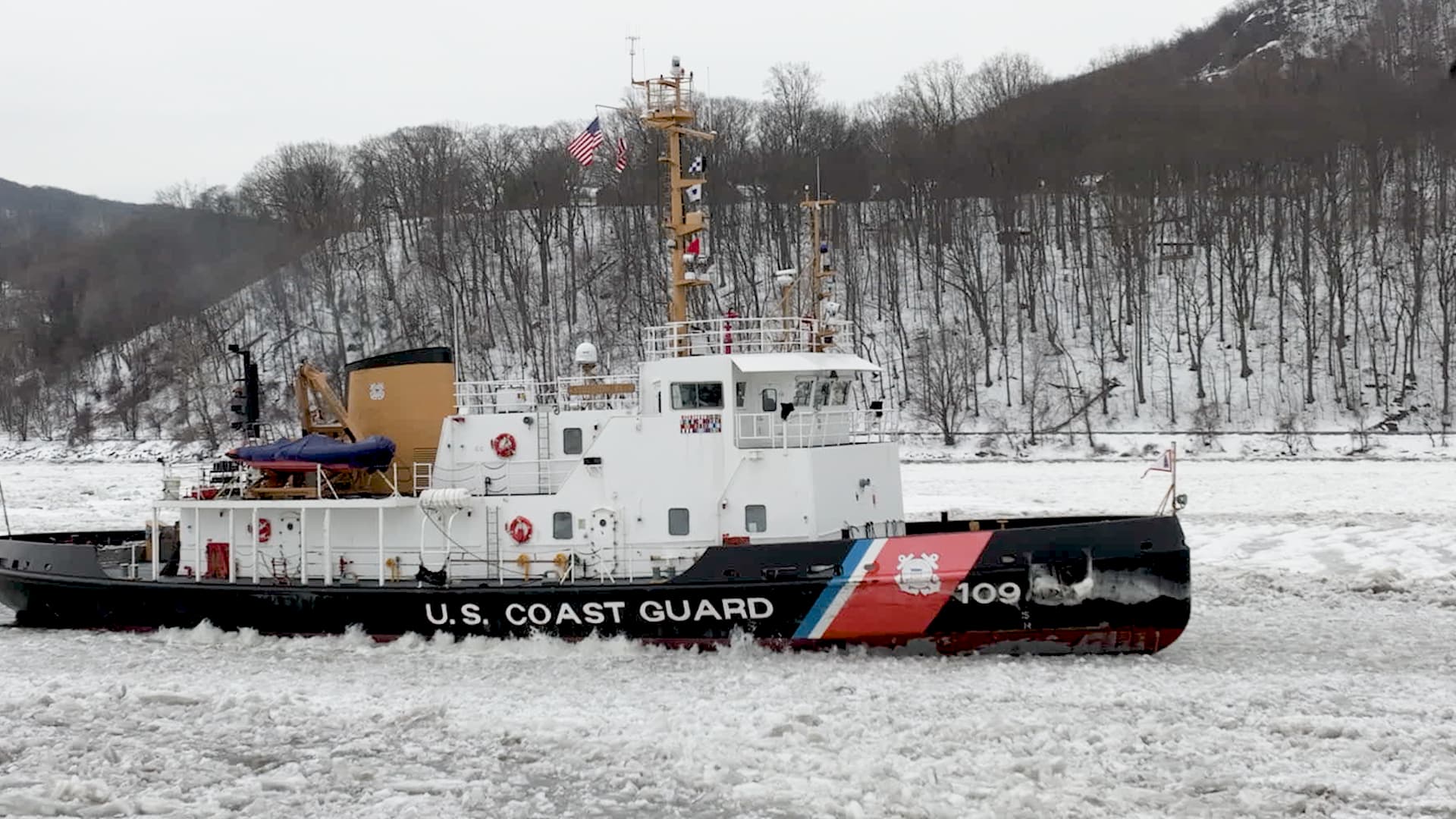
In contrast, the United States has only three icebreakers, one of which is over 50 years old, raising questions about the country's ability to compete in this strategic region.
Impact & Consequences
The increasing activities in the Arctic are considered a national security issue, with officials believing that the United States must enhance its presence in the area. The NATO European commander has indicated that the growing presence of Russia and China poses a threat.
Building new icebreakers is part of a larger plan to strengthen American sovereignty in the Arctic, with Roth affirming that "these icebreakers will provide the mobility and protection in the region that the United States currently lacks."
Regional Significance
Although the Arctic may seem distant from the Arab region, changes in this area could impact Arab interests, particularly in trade and energy. Increased maritime activity could open new trade routes between East and West, potentially benefiting Arab nations.
In conclusion, the race for dominance in the Arctic highlights the strategic importance of this region in global politics, as major powers seek to secure their interests amid climate changes and rising security challenges.