China is intensifying its efforts to achieve strategic gains in the rapidly changing Middle East, seeking to strengthen its relationships with both the United States and Iran. These endeavors come at a time when the world is witnessing an increase in armed conflicts, providing China with opportunities to expand its influence.
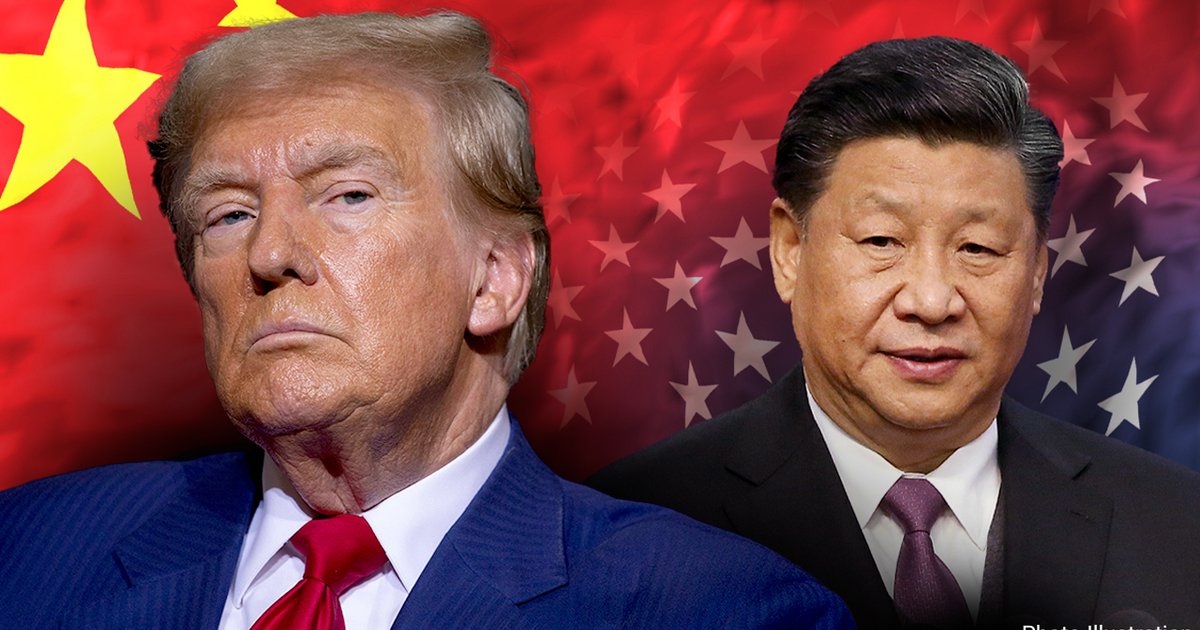
As a major global power, China aims to maintain a balance in its international relations, particularly with countries experiencing political tensions. In this context, Beijing is focusing on enhancing its ties with the administration of U.S. President Donald Trump, attempting to capitalize on available economic and political opportunities.
Details of the Situation
Reports indicate that China has already begun discussions with American and Iranian officials to achieve mutual interests. Beijing aspires to play a mediating role in the U.S.-Iran conflict, which could contribute to stabilizing the situation in the region.
Moreover, the economic relations between China and Iran are of significant importance, as Iran is considered a crucial market for Chinese goods. China is looking to increase its investments in Iran, thereby strengthening its position in the region and enhancing its ability to influence political decisions.
Background & Context
Historically, China has always sought to expand its influence in the Middle East, viewing the region as strategically important due to its natural resources and geographical location. In recent years, Beijing has increased its investments in infrastructure projects across the region, reflecting its desire to enhance its presence.
Additionally, U.S.-China relations have experienced numerous fluctuations, with each side striving to achieve its own interests. Under the Trump administration, pressures on China in trade and technology have intensified, prompting Beijing to seek new partnerships in the Middle East.
Impact & Consequences
If China succeeds in achieving gains from these efforts, it could alter the balance of power in the region. These moves may contribute to stability in certain areas, but they could also provoke reactions from other powers, such as the United States.
These new dynamics present an opportunity for China to reinforce its position as a global power, potentially changing the nature of international relations in the future. Simultaneously, these actions may escalate tensions among major powers, negatively impacting regional security.
Regional Significance
These developments directly affect Arab countries, which may find themselves in a position requiring them to reassess their relationships with both China and the United States. In light of these dynamics, Arab nations may seek to balance their national interests with international relations.
Furthermore, the strengthening of Chinese-Iranian relations could impact regional security, necessitating proactive measures from Arab states to safeguard their interests. Ultimately, the question remains regarding how Arab countries will respond to these changes and how they will influence the future of the region.