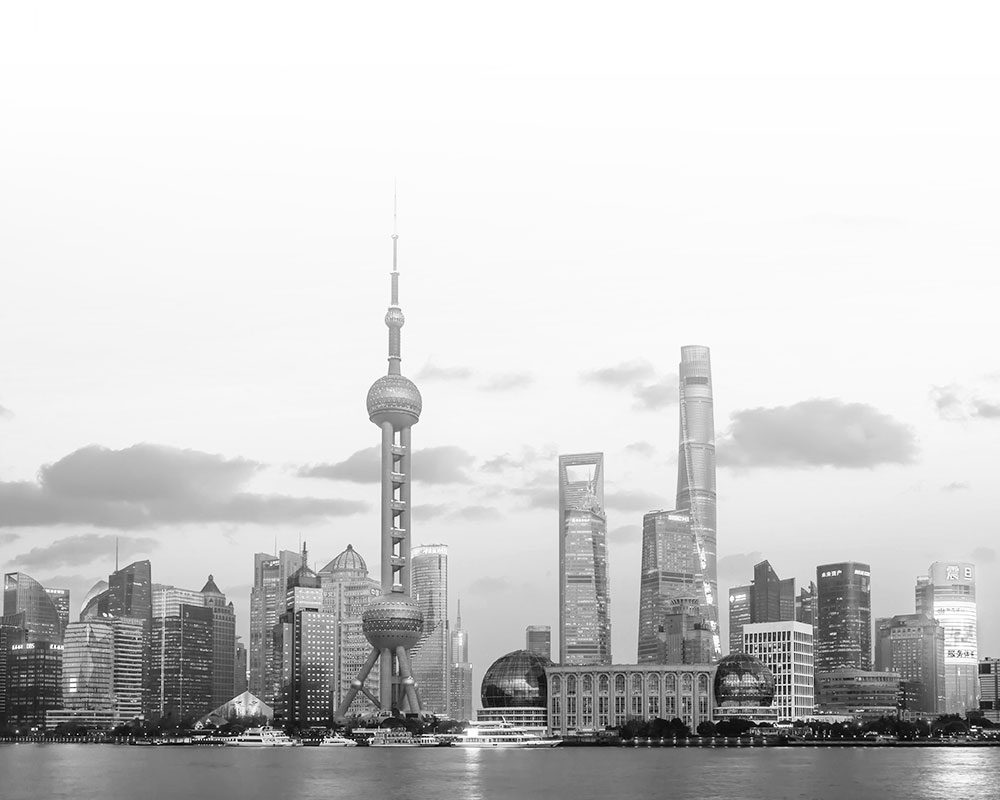
Challenges facing the United States on the international stage are increasing, with its credibility notably declining in recent years. In this context, China emerges as a rising power seeking to exploit this opportunity to bolster its global leadership. Beijing appears poised to adopt new strategies aimed at expanding its influence across various sectors, including economics, politics, and culture.
Reports indicate that China may embrace a more ambitious approach in its foreign policy, capitalizing on the gaps left by the United States. This dynamic could lead to significant shifts in the global balance of power, with China potentially becoming more influential in international issues.
Event Details
There are growing indicators that China is working to strengthen its relationships with developing countries, aiming to build strategic alliances that enhance its position on the international stage. Through the Belt and Road Initiative, Beijing seeks to expand its trade and investment network, thereby increasing its ability to influence global policies.
Simultaneously, the United States faces internal and external challenges that affect its capacity for leadership. From internal political tensions to economic crises, it seems that Washington is struggling to maintain its traditional role as a superpower.
Background & Context
Historically, the United States has been regarded as the dominant power in the international system following the end of the Cold War. However, China has begun to emerge as an increasingly significant economic and military power since the dawn of the new millennium. Beijing has invested heavily in developing its infrastructure and enhancing its military capabilities, positioning itself as a competitor to the United States for global influence.
In recent years, relations between the two countries have experienced escalating tensions, particularly in the realms of trade and technology. This tension has undermined the credibility of the United States, providing China with an opportunity to strengthen its leadership role.
Impact & Consequences
If China succeeds in enhancing its global leadership, it could lead to radical changes in the international system. The balance of power may shift, affecting economic and security policies worldwide. This transformation could also create new challenges for other countries, including Arab nations.
Arab countries may seek to reassess their relationships with both the United States and China, as Beijing could become a more significant partner in the future. This trend could contribute to changing dynamics in regional and international cooperation.
Regional Significance
Arab nations are among the potential beneficiaries of strengthened relations with China. With increasing Chinese investments in the region, Beijing could contribute to infrastructure development and bolster economic growth. Additionally, growing economic ties may open new avenues for cooperation in energy and technology sectors.
However, Arab countries must remain aware of the potential challenges that may arise from this shift. It is crucial for them to balance their relationships with major powers and effectively pursue their national interests.
In conclusion, as the credibility of the United States declines, China emerges as a rising power striving to enhance its global leadership. This situation requires Arab nations to contemplate new strategies to promote their interests in a rapidly changing world.