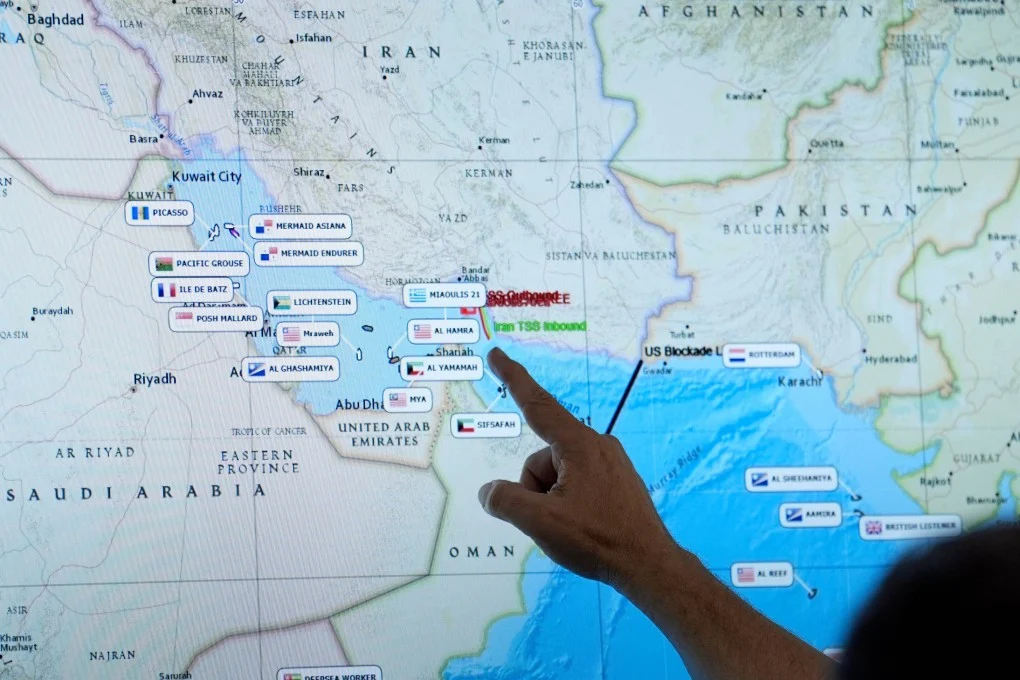
China is moving towards bolstering its efforts to secure vital maritime trade routes and protect its overseas assets, particularly in light of increasing crises at maritime chokepoints such as the Strait of Hormuz. This step reflects Beijing's growing awareness of the risks threatening global trade, especially amid rising geopolitical tensions.
In response to these challenges, the Chinese government has tasked leading industrial companies and academic institutions with conducting research aimed at safeguarding strategic trade corridors and overseas ports. This initiative comes at a time when the region is experiencing heightened tensions due to legal disputes related to the Panama Canal and the ongoing war in Iran.
Details of the Initiative
The Strait of Hormuz is considered one of the most important maritime passages in the world, with approximately 20% of the world's oil passing through it. Therefore, any crisis in this strait significantly impacts global energy markets. Recently, there has been a rise in military and political tensions in the region, increasing concerns about maritime navigation security.
As the world's largest oil importer, China is keen to secure its energy supplies, prompting it to take proactive measures to enhance the security of its trade routes. Reports indicate that Beijing is investing in developing new technologies to improve maritime security, in addition to strengthening cooperation with other countries in this field.
Background & Context
Historically, China has relied on maritime trade routes to secure its natural resource needs, particularly oil. As reliance on these routes has increased, crises at maritime chokepoints have had a more significant impact on the Chinese economy. In recent years, the region has witnessed a rise in military conflicts, prompting China to reassess its strategy in this area.
This initiative is part of a broader strategy aimed at enhancing Chinese influence on the international stage. Beijing seeks to build a network of economic and political relationships with countries bordering vital maritime corridors, thereby strengthening its ability to protect its interests.
Impact & Consequences
The implications of this initiative extend beyond China, affecting global markets in general. With rising tensions in the region, oil prices may experience significant fluctuations, impacting the global economy. Additionally, enhancing maritime security could lead to increased cooperation among major powers, potentially altering the balance of power in the region.
Moreover, this step may provoke reactions from other countries, particularly the United States, which sees itself as a key player in securing maritime trade routes. This could lead to heightened tensions among major powers, increasing instability in the region.
Regional Significance
Arab countries, especially those bordering the Strait, are among the most affected by these developments. As tensions rise, these nations may face new challenges in securing their oil and gas supplies. Any escalation in the region could also impact foreign investments and increase economic risks.
In conclusion, the importance of regional and international cooperation in addressing security challenges is underscored. Arab nations must enhance their partnerships with major powers to ensure the security of trade routes and protect their economic interests.