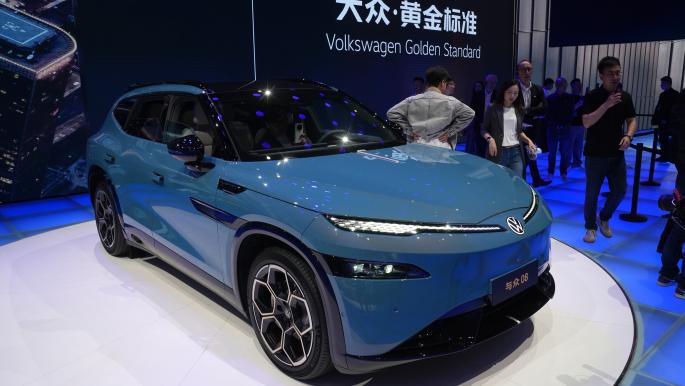
Volkswagen, the German automotive giant, is gearing up to initiate a new phase of restructuring, concentrating on intensifying the reduction of car production costs and reshaping its business model. This step comes at a critical time for the company, which aims to bolster its competitiveness in the fast-evolving global automotive market.
This strategy is part of Volkswagen's plan for 2030, which aims to improve efficiency and reduce costs across all aspects of production. The company has confirmed that it will work on enhancing production processes and adopting new technologies that contribute to lowering expenses.
Details of the Initiative
Volkswagen seeks to achieve its goals by reevaluating its supply chain and increasing reliance on modern technology. The company also plans to reduce the number of models it produces, allowing it to focus on the most profitable models. These steps come amid significant challenges facing the automotive industry, including rising raw material costs and shifts in market demand.
Additionally, Volkswagen hopes to improve profit margins by cutting operational costs, which requires a reassessment of its marketing and sales strategies. These changes are expected to impact several factories worldwide, as the company will evaluate its current production sites.
Background & Context
Founded in 1937, Volkswagen has become one of the largest car manufacturers in the world. Over the years, the company has faced numerous challenges, including the diesel emissions scandal in 2015, which significantly affected its reputation and profits. In recent years, Volkswagen has begun focusing on the transition to electric vehicles, necessitating substantial investments in research and development.
With increasing competition from new companies like Tesla, Volkswagen needs to innovate and adapt to changing consumer preferences. This new strategy is part of the company's efforts to strengthen its market position and achieve sustainable growth.
Impact & Consequences
Volkswagen's new measures could have widespread effects on the automotive industry. If the company successfully implements its strategy, it may lead to improved efficiency and reduced costs, potentially resulting in lower car prices in the markets. This shift could also encourage other companies to take similar steps, enhancing competitiveness within the sector.
However, Volkswagen may face challenges in executing this strategy, especially amid volatile global economic conditions. Changes in raw material prices and demand for traditional vehicles could impact the success of these initiatives.
Regional Significance
The automotive industry is a vital sector in many Arab countries, where governments are striving to enhance local production. Volkswagen's new strategies may influence the Arab market, potentially opening the door for new investments in the electric vehicle sector.
The shift towards electric vehicles could also contribute to environmental improvements and reduce reliance on fossil fuels, aligning with sustainable development goals in the region. Despite the challenges, these transformations could create new job opportunities and foster innovation within the sector.
In conclusion, Volkswagen's new strategy represents a significant step towards enhancing its competitiveness in the global automotive market. These measures are expected to improve efficiency and reduce costs, which could have positive effects on consumers and the automotive industry as a whole.