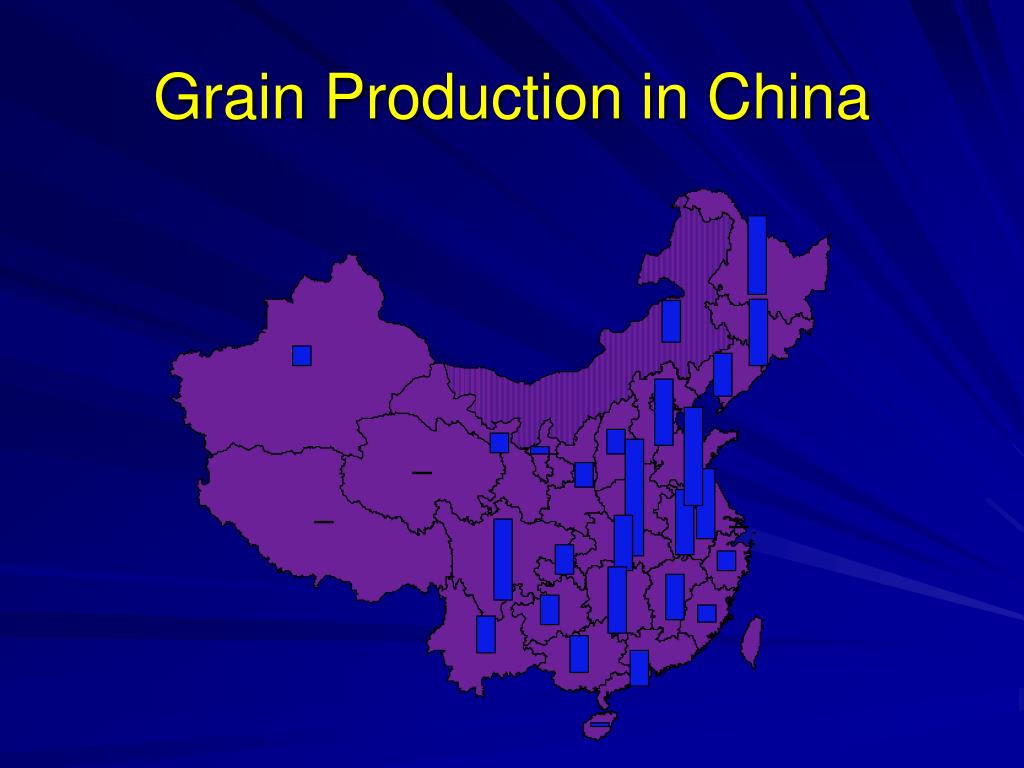
China has announced new directives aimed at enhancing the production of whole grains by private grain processing companies, as part of the state's efforts to bolster food security and modernize the agricultural supply chain. This move comes at a sensitive time as the Chinese government seeks to improve food quality and increase domestic production to address economic and environmental challenges.
The government directives encourage private companies to invest more resources in developing new technologies for whole grain production, reflecting China's commitment to achieving self-sufficiency in food. These policies also aim to improve the quality of agricultural products and meet the growing market demands.
Details of the Initiative
Whole grains are considered essential nutritional elements, containing a wide range of vitamins, minerals, and fibers. Studies have shown that consuming whole grains can reduce the risk of heart disease and diabetes. Therefore, enhancing their production represents a strategic step for China in improving the health of its citizens.
This initiative is part of a comprehensive plan by the Chinese government to enhance food security, as the country seeks to reduce its reliance on food imports. Data has shown that China imports large quantities of grains, making it one of the largest grain importers in the world. By boosting whole grain production, the government hopes to reduce this dependency and increase self-sufficiency.
Background & Context
Historically, China has relied heavily on traditional agriculture, but with rapid climate changes and population growth, it has become necessary to modernize farming methods. In recent years, the Chinese government has launched several initiatives aimed at improving agricultural production, including the use of modern technology in farming.
China also faces significant challenges in food security, with growing concerns about the impact of climate change on agricultural production. Therefore, enhancing whole grain production is considered part of its comprehensive strategy to adapt to these challenges.
Impact & Consequences
This approach could have positive effects on the local economy, as an increase in whole grain production is expected to create new job opportunities and boost investments in the agricultural sector. Additionally, improving food quality can contribute to better health outcomes for the population, thereby reducing long-term healthcare costs.
Moreover, enhancing whole grain production may open new avenues for export, as China could become a major supplier of whole grains in global markets, thereby strengthening its economic position on the international stage.
Regional Significance
The Arab region is among the areas most affected by climate change, impacting its food security. China's enhancement of whole grain production could have positive implications for Arab countries, especially those that rely on food imports. Arab nations could benefit from China's experiences in boosting local production and improving food quality.
Furthermore, agricultural cooperation between Arab countries and China could contribute to achieving food security in the region, enhancing economic and social stability.
In conclusion, China's move to enhance whole grain production reflects a strategic vision aimed at achieving food security and adapting to environmental challenges. This initiative is expected to have positive impacts on the local economy and may open new avenues for cooperation with other countries, including Arab nations.