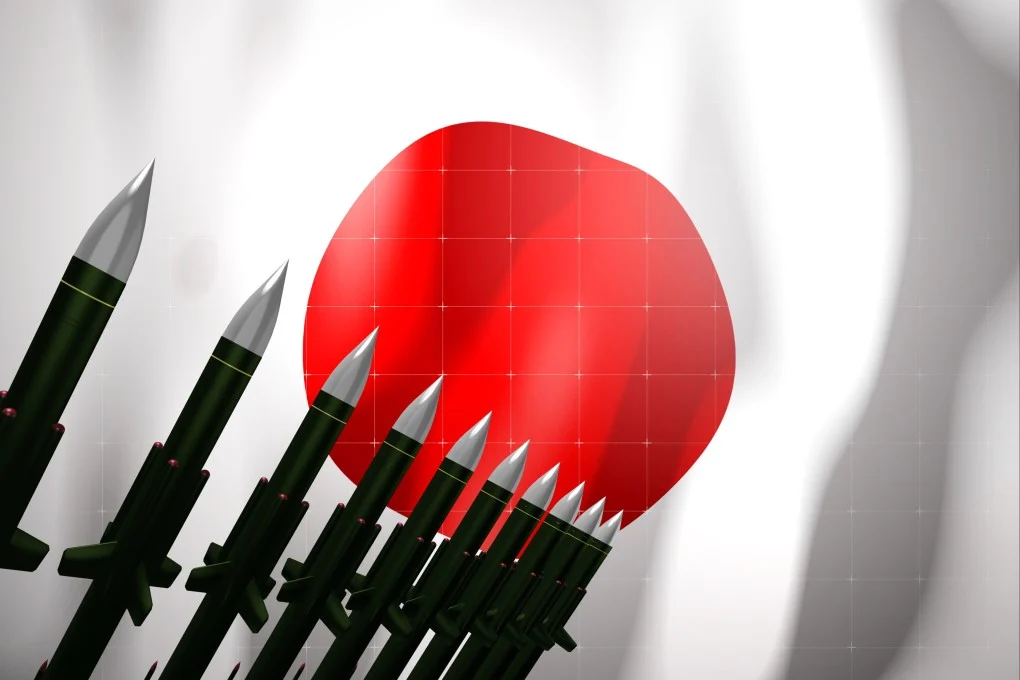
In a rare report, the People's Liberation Army Daily confirmed that Japan has an astonishing stockpile of nuclear materials, with 44.4 tons of plutonium separated by the end of 2024, sufficient to create around 5,500 nuclear warheads. This disclosure has sparked significant concern in international circles, as China believes that Japan has "crossed the red line" in expanding its defense capabilities.
The report, published on Monday, highlighted what China described as a "serious expansion" in Japan's defense industry, in terms of capacity, technology, and international engagement. This statement reflects growing fears in Beijing that Tokyo may seek to enhance its military capabilities beyond what is deemed acceptable in the region.
Details of the Event
These statements come amid increasing tensions in the East Asia region, where Japan is striving to bolster its defense capabilities in response to rising threats from North Korea and China. The report indicated that Japan is not only capable of producing nuclear weapons but also possesses the necessary technology, raising questions about its future intentions.
It is noteworthy that Japan, which has traditionally relied on a pacifist defense policy, has begun to reassess its security strategy in recent years, leading to increased military spending and the development of new capabilities. This shift has raised concerns among neighboring countries, particularly China and North Korea, which view any increase in Japan's military capabilities as potentially leading to an arms race in the region.
Context and Background
Historically, Japan adopted a policy of not possessing nuclear weapons after its defeat in World War II, being the first nation to suffer a nuclear attack. However, geopolitical changes in the region, including the escalating threats from North Korea and the expansion of Chinese influence, have prompted Tokyo to reconsider its defense strategy.
In recent years, Japan has strengthened its alliances with the United States and other countries in the region, reflecting its desire to confront increasing security challenges. Reports have shown that Japan has significantly increased its defense budget, demonstrating its commitment to enhancing its military capabilities.
Implications and Effects
The revelation of Japan's capability to produce nuclear weapons could have significant implications for regional and international security. This may lead to heightened tensions between Japan and its neighbors, particularly China and North Korea, potentially contributing to the escalation of military conflicts in the region.
Moreover, this development could prompt other countries in the region to enhance their military capabilities, leading to a new arms race in East Asia. The international community may also face new challenges in nuclear disarmament efforts, as pressure may increase on Japan to clarify its military intentions.
Impact on the Arab Region
For the Arab region, the rising tensions in East Asia could affect regional stability. Any military escalation in that area may have indirect repercussions on Arab security, especially amid existing tensions in other regions such as the Middle East.
Additionally, changes in Japan's defense policy could impact economic and trade relations between Japan and Arab countries, as Japan is an important trading partner for many Arab nations. Therefore, monitoring developments in this context is crucial.