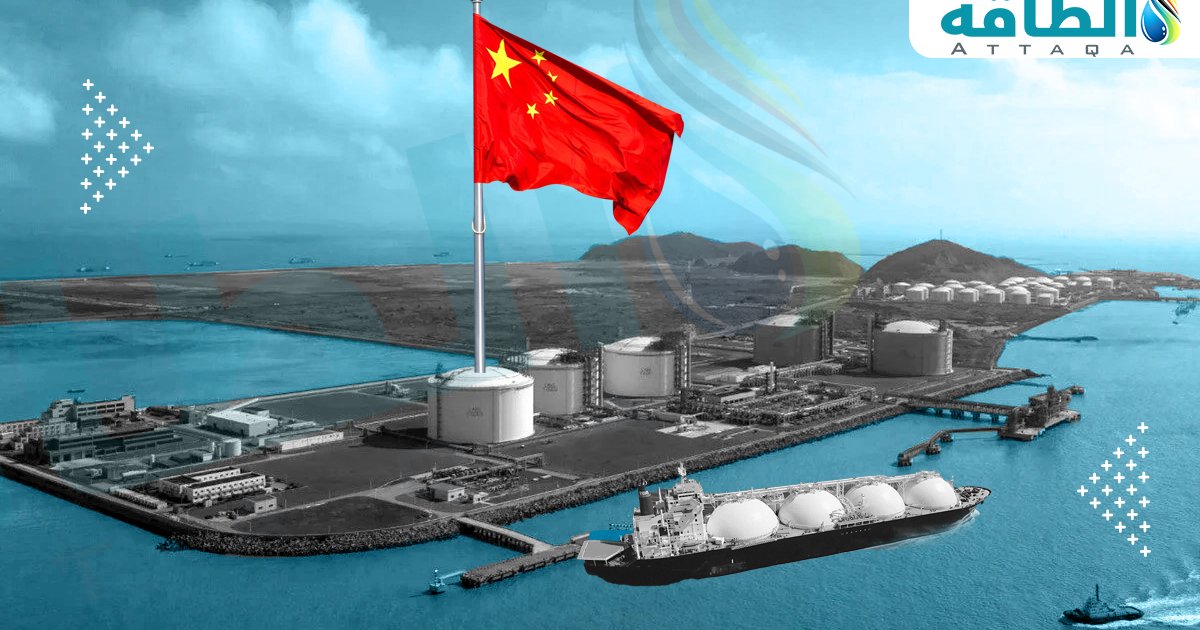
Reports indicate that China's imports of liquefied natural gas (LNG) during March are heading towards their lowest level since 2018, as the country faces a sharp rise in prices due to the ongoing conflict in the Middle East. According to data collected by Kepler, this decline reflects a decrease in demand for LNG in the world's largest importer.
This drop comes at a sensitive time, as global markets are significantly affected by regional conflicts, negatively impacting price stability. The rise in prices has curtailed China's ability to import large quantities of gas, raising concerns about meeting its future energy needs.
Details of the Event
Data suggests that China's LNG imports could reach levels not seen in over eight years, with reports predicting imports to decline to around 4.5 million tons in March. This decrease occurs at a time when China was seeking to bolster its natural gas reserves to meet its increasing needs.
The price increase is shrinking demand, as consumers and businesses face financial pressures due to rising energy costs. Additionally, the conflict in the Middle East, which has led to volatility in energy markets, has directly impacted China's ability to import gas at reasonable prices.
Background & Context
China is the world's largest importer of LNG and has seen a significant increase in energy demand in recent years due to rapid economic growth. However, regional conflicts and geopolitical tensions have led to price volatility, affecting import strategies.
In past years, China has heavily relied on LNG to meet its energy needs, especially as the government aims to reduce dependence on coal. Nevertheless, current challenges may prompt China to reassess its energy strategies.
Impact & Consequences
The decline in China's LNG imports is indicative of the challenges facing global markets. If this trend continues, it could increase pressure on global prices, affecting other gas-importing countries. This situation may also negatively impact economic growth in China, where the economy heavily relies on energy.
Moreover, this decline could affect trade relations between China and gas-exporting countries, potentially reshaping the global energy trade landscape. Under these circumstances, it will be crucial for China to adopt new strategies to address these challenges.
Regional Significance
Arab countries are among the leading exporters of LNG, and thus any fluctuations in the Chinese market could directly impact their exports. If prices continue to rise, Arab nations may find themselves in a difficult position, as demand from China may decline, affecting their revenues.
At the same time, these conditions may provide an opportunity for Arab countries to reassess their energy strategies and enhance cooperation with other nations to boost their exports. Additionally, tensions in the Middle East may open the door for further investments in alternative energy projects.
In conclusion, the decline in China's LNG imports signals the challenges facing global markets and reflects the impact of regional conflicts on the global economy. It is essential for Arab nations to remain prepared to adapt to these changes to ensure the sustainability of their gas exports.