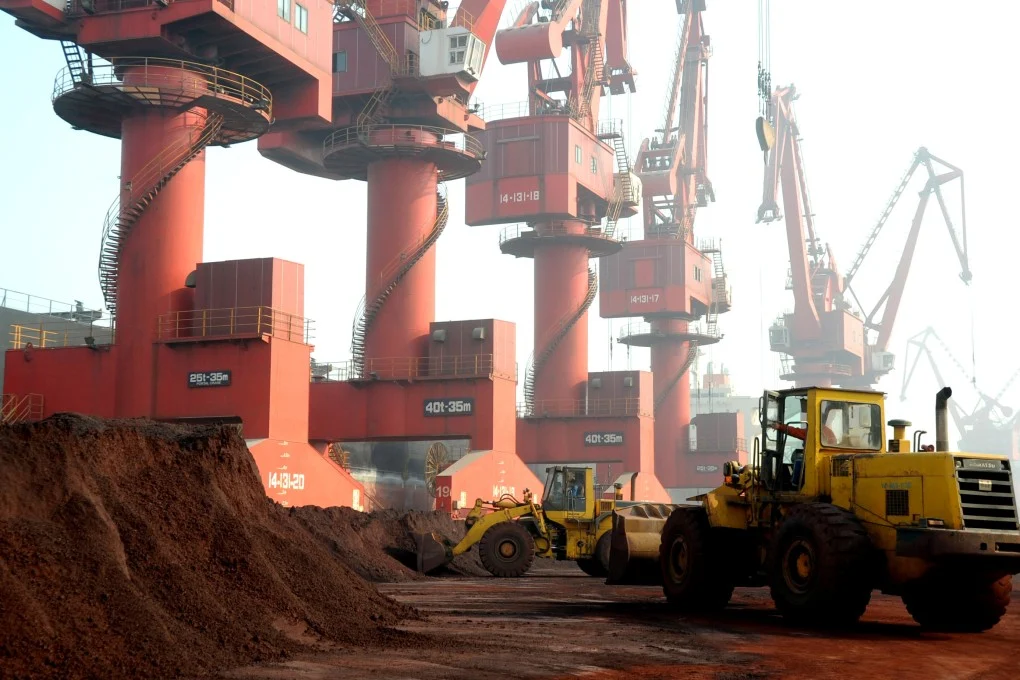
China's exports of rare earth permanent magnets to Japan experienced a slight increase of 2.5% in April, following a significant drop in the previous month. According to data released by Chinese customs on Wednesday, this uptick was not enough to offset the sharp decline of 17.3% in March. In light of these circumstances, Japanese companies are warning of a severe shortage of these essential materials, raising concerns about the future of industries that rely on them.
This minor increase in exports comes at a sensitive time, as diplomatic tensions between China and Japan escalate. The relationship between the two countries has been strained due to historical and security issues, impacting trade between them. Japanese companies, heavily reliant on rare materials from China, find themselves in a difficult position as they face supply shortages.
Details of the Event
Data indicates that rare earth magnet exports from China to Japan rose in April, but this increase does not reflect a full recovery. Japanese companies, such as electronics and automotive manufacturers, depend significantly on these magnets for their production. However, political tensions may exacerbate the situation, making it increasingly difficult to obtain these materials.
Rare earth magnets are a crucial component in many modern industries, including electric vehicle manufacturing and advanced technology. Therefore, any supply shortages could significantly impact productivity and market prices.
Background & Context
Historically, China has been the primary supplier of rare earth metals and permanent magnets, controlling a significant portion of global production. However, the strained relations with Japan date back decades, relating to historical issues such as the Japanese occupation of China during World War II. This historical backdrop casts a shadow over current trade relations.
In recent years, Japan has attempted to reduce its dependence on China by diversifying its sources, but this remains a significant challenge. Political tensions affect business decisions, making it difficult for Japanese companies to secure the materials they need.
Impact & Consequences
The ramifications of this crisis could be far-reaching. If tensions between China and Japan persist, it may lead to rising prices and supply shortages, affecting Japanese industries. Companies may be forced to seek alternatives, which could increase production costs and impact the market overall.
Moreover, this situation may open the door for other countries to expand their role in the rare earth market. Countries like Australia and the United States may seek to increase their production of these materials to compensate for potential shortages.
Regional Significance
For the Arab region, these developments highlight the importance of diversifying supply sources and self-reliance in technology. Many Arab nations are striving to develop their technological industries, and any shortage of essential materials could hinder these efforts. Additionally, the strained trade relations between China and Japan may present new opportunities for Arab countries to cooperate with both parties.
In conclusion, the situation in the global rare earth market remains under scrutiny, as political tensions could significantly affect supplies and prices. It is crucial for Japanese companies to take proactive measures to address these challenges, while Arab nations should consider strategies to enhance their independence in this field.