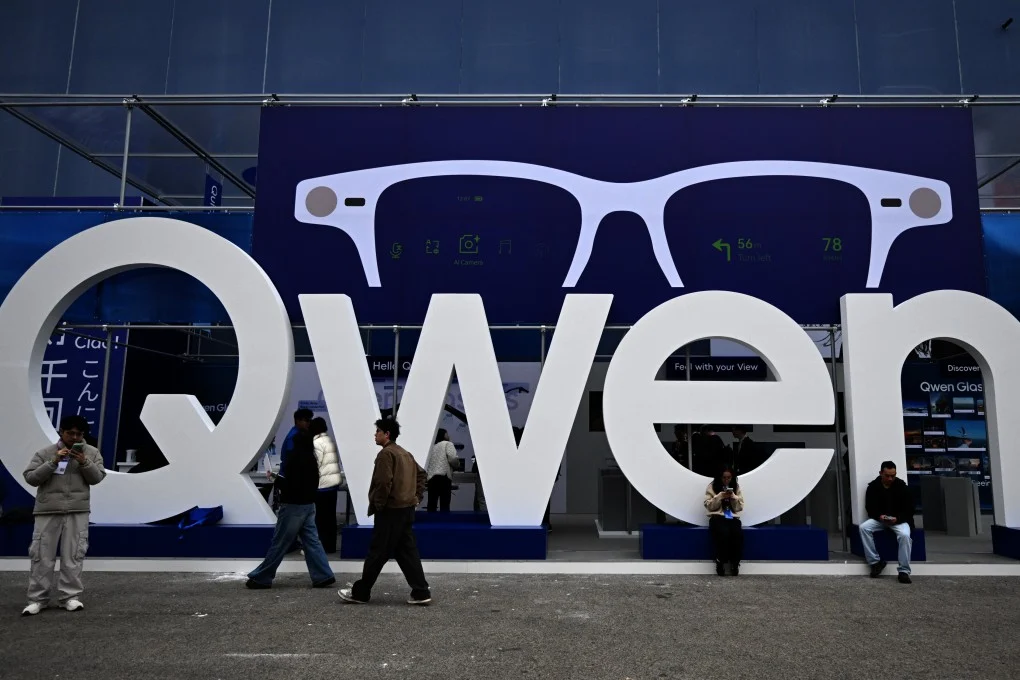
In a significant shift reflecting major transformations in the artificial intelligence industry, leading Chinese companies such as Alibaba Cloud and Zhipu AI have announced their decision not to open some of their latest AI models. This decision is part of these companies' efforts to derive maximum revenue from their offerings through official channels, rather than depending on open-source strategies.
While the companies have not announced a complete abandonment of their open strategies, this step indicates a growing trend in the industry towards more powerful models that are increasingly difficult to host locally. This trend could radically change the way AI is utilized across various fields.
Details of the Development
This move is part of a broader strategy adopted by major Chinese companies in response to the increasing challenges in the AI market. These companies aim to secure sustainable financial returns by providing their services through official platforms, ensuring they maintain control over how their models are utilized.
Competition in the AI sector is intensifying, with companies racing to develop more complex and effective models. As the size of these models increases, it becomes challenging for smaller institutions or individuals to host them on local devices, thereby enhancing the importance of offering them as cloud services.
Background & Context
In recent years, there has been tremendous growth in the field of artificial intelligence, with companies increasingly relying on this technology to improve operational efficiency and boost productivity. However, challenges related to hosting and associated costs have prompted companies to rethink their strategies.
Historically, many companies have relied on open-source strategies to encourage innovation and collaboration. However, with the growing need for more powerful models, companies have begun shifting towards proprietary models that ensure they control revenue streams.
Impact & Consequences
These shifts could lead to significant changes in how AI is used across various industries. As reliance on proprietary models increases, costs for small and medium-sized enterprises may rise, potentially hindering their ability to compete.
Moreover, these strategies could impact innovation in the field, as opportunities for collaboration between companies and knowledge sharing may diminish. This could result in a slowdown in technological advancements that have relied on open models.
Regional Significance
In the Arab region, this trend may have noticeable effects, especially as many countries seek to develop their capabilities in artificial intelligence. Relying on proprietary models could lead to increased costs, which may hinder innovation efforts in Arab countries.
Nevertheless, the transformations in the AI industry could also open new avenues for collaboration between Arab companies and Chinese firms, potentially contributing to enhanced innovation and the development of competitive local solutions.
In conclusion, the shifts in strategy among Chinese companies towards proprietary models reflect broader changes in the artificial intelligence industry. It is crucial to monitor these developments to understand their impact on both global and local markets.