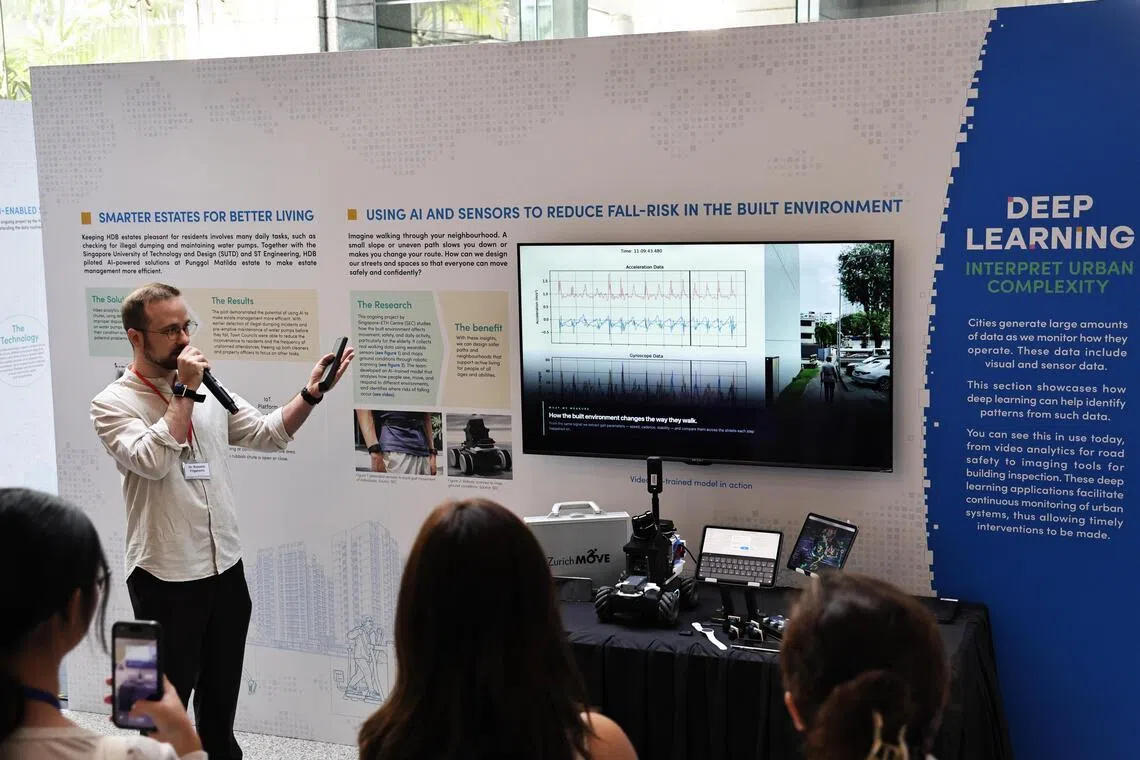
In an innovative step aimed at enhancing the safety of the elderly, the Singapore-ETH Center has announced a new study titled BE-FIT. This study employs artificial intelligence, sensors, and robotics to analyze how neighborhood designs affect the fall risks for seniors. This initiative is part of the activities of the AI for Cities exhibition organized by the Urban Planning Authority in Singapore.
The study seeks to understand the relationship between neighborhood design and the needs of the elderly, utilizing data collected from sensors to assess potential risks. This type of research is a significant step towards improving the quality of life for seniors and providing safer urban environments.
Event Details
The exhibition showcases a range of projects that use artificial intelligence to enhance urban planning, focusing on how technology can meet the needs of diverse communities. Among the projects displayed, the BE-FIT study stands out as one of the most notable innovations aimed at improving elderly safety.
The study involves the use of robots to collect data on neighborhood designs, helping to identify areas that may pose dangers to seniors. This analysis can contribute to developing new strategies for designing cities that ensure the safety of all residents.
Background & Context
Issues surrounding elderly safety are vital topics in many countries, especially with the increasing number of seniors in communities. Statistics indicate that the proportion of elderly individuals worldwide is continuously rising, necessitating the development of innovative solutions to enhance their lives.
In recent years, many cities around the globe have undergone significant transformations in neighborhood design, focusing on creating more inclusive urban environments. Singapore is one of the leading countries in this field, striving to use technology to improve the quality of life for its citizens.
Impact & Consequences
Such studies can have a substantial impact on how cities are designed in the future. By utilizing artificial intelligence, urban planners can make informed decisions about how to improve neighborhoods to meet the needs of the elderly.
Moreover, these initiatives can help reduce fall incidents, thereby alleviating pressure on healthcare systems. Enhancing elderly safety can also promote their independence and increase their participation in the community.
Regional Significance
In the Arab region, there is a pressing need to develop similar solutions to address the needs of the elderly. With the rising number of seniors, Arab countries must consider how to leverage technology to improve their quality of life.
The Singapore experience can serve as a model, where Arab nations can benefit from technological innovations in urban planning. This can contribute to enhancing living environments for seniors and ensuring their safety.
In conclusion, the BE-FIT study represents a significant step towards achieving safer and more inclusive cities for the elderly. By integrating technology into urban planning, the quality of life for many individuals can be improved, reflecting the importance of innovation in addressing social challenges.