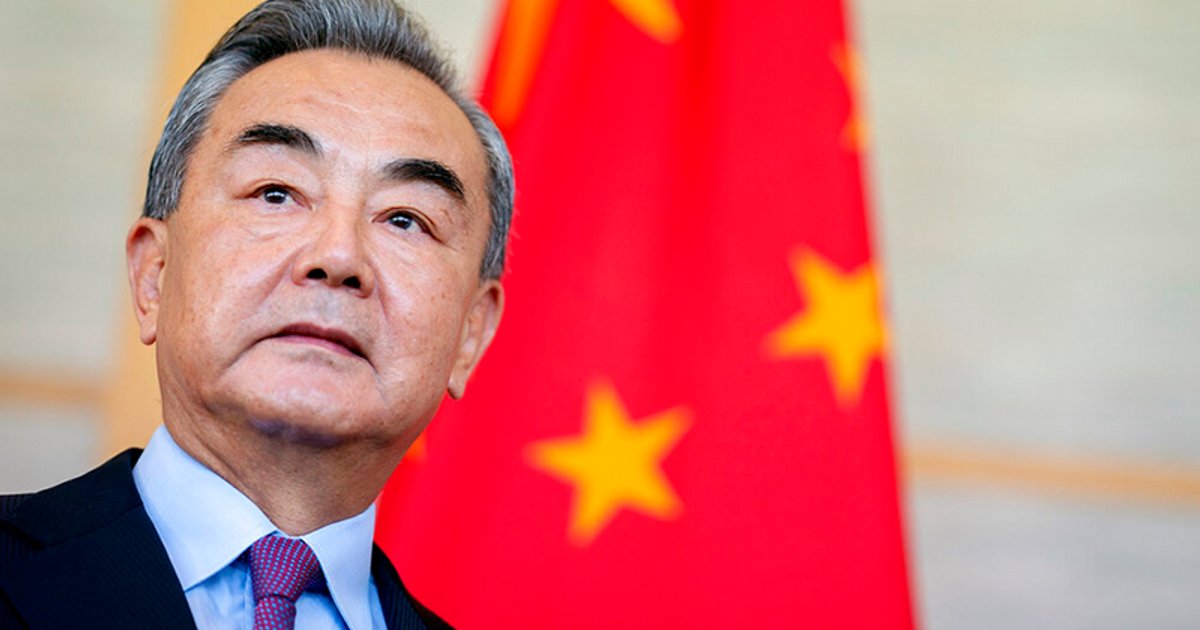
Chinese Foreign Minister Wang Yi will commence a two-day official visit to North Korea tomorrow, where the focus will be on strengthening bilateral relations between Beijing and Pyongyang. This visit is particularly significant given the increasing tensions in the region.
Through this visit, China aims to bolster economic and political ties with North Korea amid the challenges faced by Pyongyang due to international sanctions. Additionally, this visit reflects China's desire to play a larger role in crisis management on the Korean Peninsula.
Details of the Visit
Wang Yi is scheduled to meet with North Korean leader Kim Jong Un, where a range of bilateral and regional issues will be discussed. Observers believe that these talks may address matters related to North Korea's nuclear program, as well as economic cooperation between the two countries.
The meeting is also expected to explore ways to enhance collaboration in trade and investment, with China being North Korea's largest trading partner. This visit follows a period of heightened tensions between North Korea and the United States, underscoring the importance of dialogue between Beijing and Pyongyang.
Background & Context
Historically, the relationship between China and North Korea has been strong, with China being Pyongyang's main ally. However, this relationship has experienced some strains in recent years, particularly after North Korea conducted several nuclear tests. China is now seeking to rebuild these ties and enhance cooperation under the current circumstances.
This visit comes after a period of rapprochement between the two Koreas, during which the region has seen some thawing of relations, potentially contributing to a more stable environment. As a key supporter of North Korea, China plays a pivotal role in this context.
Impact & Consequences
The visit of the Chinese Foreign Minister to North Korea could lead to changes in regional dynamics. If the talks succeed in making progress, they may help alleviate tensions on the Korean Peninsula. Furthermore, strengthening relations between China and North Korea could influence the strategies of the United States and its allies in the region.
On the other hand, this visit may enhance North Korea's position in future negotiations with the United States, as Pyongyang would appear as a party backed by a major power like China. This could shift the balance of power in the region and affect regional security.
Regional Significance
Although this visit may seem distant from Arab affairs, it has indirect implications for the region. The China-North Korea relationship could affect the strategies of major powers in the Middle East, as China seeks to enhance its influence globally.
Moreover, stability on the Korean Peninsula could reflect on regional security in Asia, potentially impacting Arab interests in trade and energy. In light of geopolitical changes, it is crucial for Arab nations to closely monitor these developments.