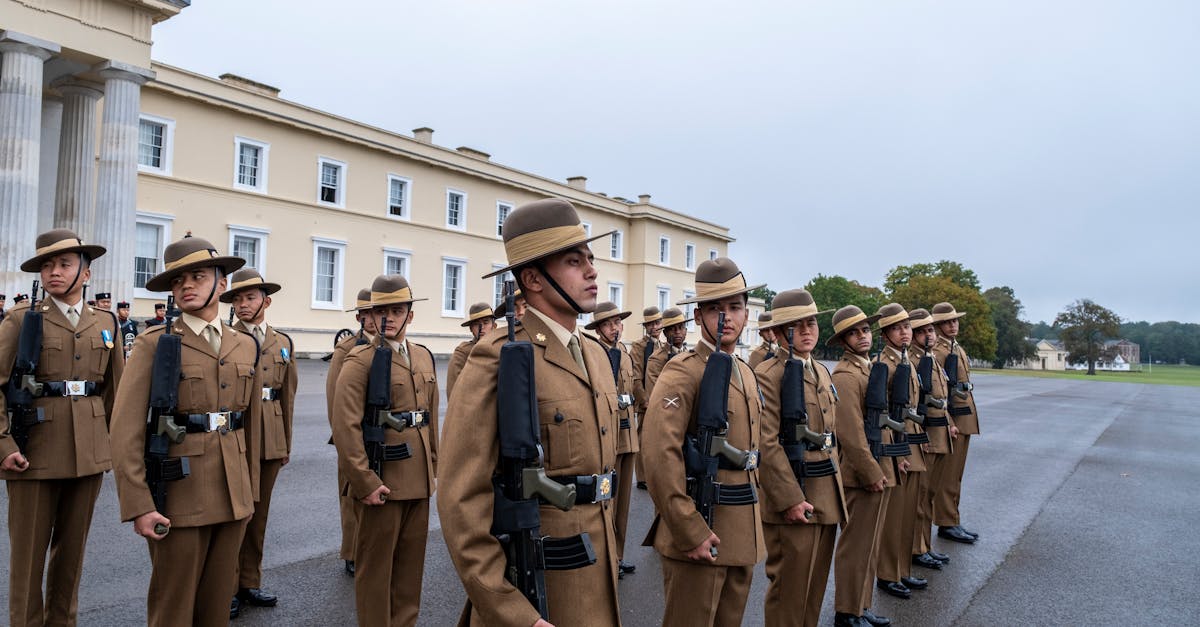
The Chinese military leadership is undergoing a profound crisis as President Xi Jinping loses confidence in his generals. This situation may lead to radical changes in the structure of the Chinese army, with reports indicating that Xi has begun a military purge aimed at reshaping military leadership.
The New York Times highlighted this crisis, noting that the loss of trust between the president and military leadership could have significant implications for political stability in the country. This move comes at a sensitive time as Xi seeks to consolidate his power amid internal and external challenges facing China.
Details of the Event
Reports indicate that Xi Jinping has dismissed several senior military officers, reflecting his dissatisfaction with their performance. This military purge is part of Xi's efforts to enhance control over the army, which is considered one of the most important tools of power in the country. Some generals have been replaced with new faces believed to be more loyal to the president.
This step is part of a broader strategy to strengthen national security, as Xi aims to modernize the Chinese army and improve its efficiency in facing increasing challenges, both regionally and internationally. These changes may also affect military relations between China and other countries, especially given the rising tensions in the Pacific region.
Background & Context
Historically, China has witnessed several changes in its military leadership, often reflecting internal conflicts among different factions. Since taking power, Xi Jinping has worked to strengthen his authority by reducing the influence of generals he considers unreliable. This strategy also reflects Xi's desire to bolster his position as a strong leader, especially amid the economic and political challenges facing the country.
Over the years, the Chinese army has undergone significant changes in its organizational structure, focusing on modernizing equipment and military technology. However, the loss of trust between political and military leadership may hinder these efforts, necessitating a reevaluation of current military strategies.
Impact & Consequences
This crisis could have serious repercussions for political stability in China. If the distrust between Xi and military leadership continues, it may affect the government's ability to make decisive decisions in critical times. Furthermore, these changes could lead to divisions within the army, potentially weakening its effectiveness in addressing security challenges.
Moreover, the military purge may impact China's international relations, as these steps could be interpreted as signs of weakness or instability. At the same time, Xi may seek to use these changes to strengthen his internal position, which could lead to further tensions with external powers.
Regional Significance
China is a strategic partner for many Arab countries, seeking to enhance its economic and political relations in the region. Changes in Chinese military leadership may affect these relationships, potentially leading to a reevaluation of foreign policies towards Arab nations. Amid regional tensions, Arab countries may seek to understand how these changes will impact their security and economic strategies.
In conclusion, the current crisis in Chinese military leadership presents a significant challenge for Xi Jinping and may have far-reaching effects on China's domestic and foreign policy. It is crucial to monitor developments in this crisis to understand how it will influence the regional and international landscape.