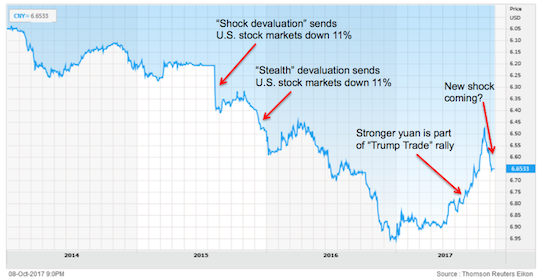
Analysts anticipate that the Chinese yuan will face early seasonal weakness this summer as Chinese companies aim to secure favorable exchange rates before a record profit distribution in June. These expectations come at a sensitive time for the Chinese economy, which is striving to maintain stability amid global challenges.
Estimates suggest that Chinese companies will distribute record dividends, potentially leading to increased demand for the US dollar and thus putting pressure on the yuan. This scenario could negatively impact the value of the Chinese currency in global markets, necessitating close monitoring by investors and analysts.
Details of the Event
As the profit distribution date approaches, it is expected that Chinese companies will convert a significant portion of their profits into US dollars, which may increase pressure on the yuan. This move occurs at a time when the global economy is experiencing substantial fluctuations, heightening the importance of the Chinese currency's stability.
The yuan is considered one of the key currencies in global trade, and any fluctuations in its value could affect financial markets broadly. Therefore, careful monitoring of yuan developments will be essential in the coming months.
Background & Context
Historically, the Chinese yuan has experienced seasonal fluctuations, heavily influenced by the dividends distributed by companies. In previous years, these periods typically saw a depreciation in the currency's value, raising concerns among investors. Additionally, trade tensions between China and the United States may play a role in determining the yuan's future trends.
In recent years, the Chinese government has taken steps to bolster the yuan's value, but current challenges may reverse these gains. It is crucial to observe how markets will react to these changes and how they will impact the Chinese economy as a whole.
Impact & Consequences
If the yuan continues to face pressure, it could lead to increased costs for Chinese imports, potentially affecting inflation in the country. Furthermore, a weaker currency may impact companies reliant on imports, which could result in reduced profits.
Moreover, a depreciating yuan could deter foreign investments in China, as investors may hesitate to inject capital into a market experiencing significant volatility. This could negatively reflect on the country's economic growth.
Regional Significance
China is a key trading partner for many Arab countries, and any fluctuations in the yuan's value could affect trade between the two sides. If the yuan continues to weaken, it may lead to increased costs for goods imported from China, impacting Arab markets.
Additionally, a weaker yuan could influence Chinese investments in the region, as Chinese companies may be reluctant to expand their investments amid instability. This situation requires Arab countries to consider new strategies to address these challenges.
In light of global economic challenges, the Chinese yuan remains under close scrutiny. Investors and companies in the Arab region must monitor developments in the Chinese currency and its impact on trade and investment.