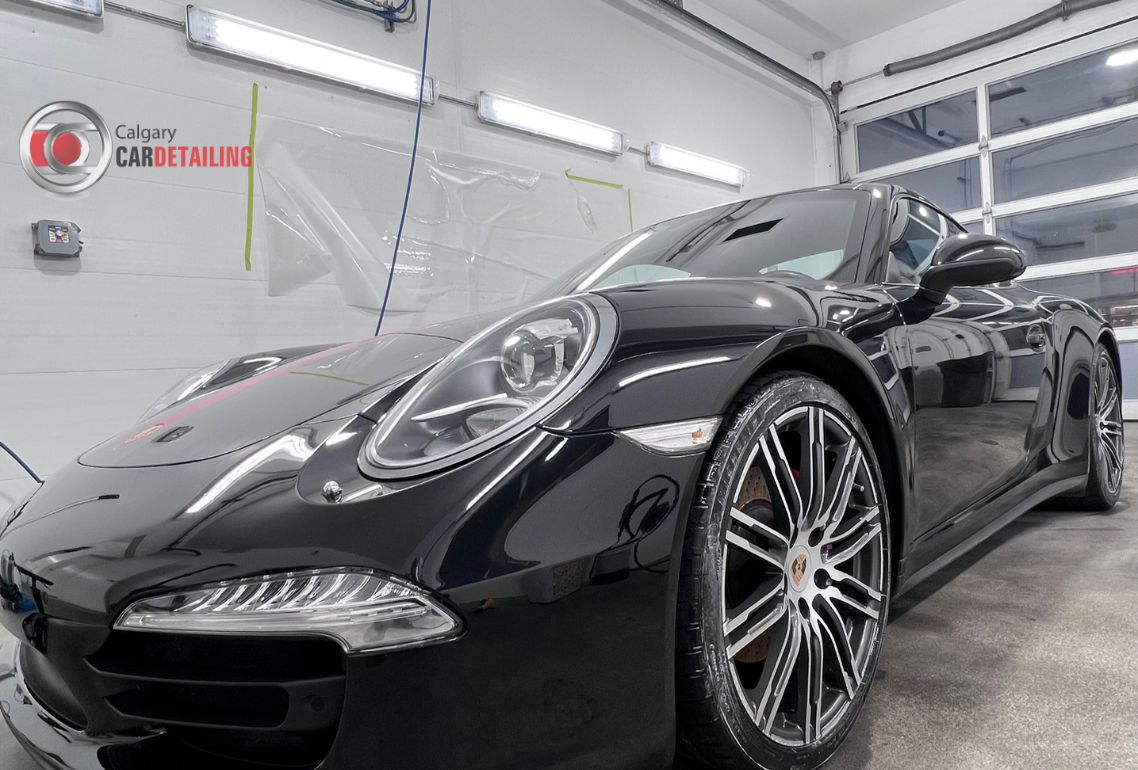
In the extreme weather conditions of the Gulf region, maintaining the car's paint has evolved from a mere aesthetic concern to a necessity for protecting the long-term investment value of the vehicle. With rising temperatures and humidity, selecting paint protection films requires meticulous attention.
Paint protection films have transformed from being simple accessories to advanced technologies based on nanoscience and polymers, enabling them to resist scratches, absorb shocks, and even self-repair in some cases. This shift reflects the maturity of the car care market and the availability of high-quality options.
Event Details
In a conversation with Engineer Mohammed Ali, the director of a leading car care center in Qatar, the radical transformations witnessed in this sector over recent years were highlighted. The industry has transitioned from traditional services to a sophisticated sector relying on the latest technologies. He noted that the options for protection films were previously limited, whereas today the market is seeing a variety of brands from the United States, South Korea, and Europe.
The evolution of raw materials has also been significant, with new generations of films featuring self-healing properties, allowing them to automatically repair surface scratches when exposed to heat sources. Engineer Mohammed emphasized that the market focus has shifted from brand names to product quality and the technology used in manufacturing.
Background & Context
Written warranties can sometimes be misleading, as they may not reflect the actual reality in the Gulf. For instance, an American film with a 10-year warranty may not last more than 5 to 7 years in the region due to harsh climatic factors. Therefore, it is advisable to adjust the standards for installing protection films to suit the specifics of the local environment.
Using low-quality films in this climate can lead to cracking, as the adhesive material chemically reacts with the original paint, making the removal of the film difficult and potentially damaging the paint. Hence, car owners must choose materials carefully.
Impact & Consequences
Protection options include installing paint protection films (PPF) with thicknesses ranging from 6 to 8 mils or applying nano-ceramic technology that enhances the car's shine and provides dirt and liquid repellent properties. Additionally, using electronic cutting technology ensures precise film detailing, offering complete protection for the original paint.
The installation process requires precise stages, starting with calibration and correction, where advanced measuring devices are used to determine paint thickness and scratch depth. This is followed by a professional polishing stage that restores the paint's original luster before applying protective layers.
Regional Significance
These developments in paint protection are particularly significant for the Arab region, as they contribute to maintaining car values in highly competitive markets. The growing awareness of the importance of selecting appropriate materials reflects market maturity and consumer interest in the quality of car care services.
In conclusion, car owners must understand that choosing a protection film depends on the quality of the material and its suitability for the local climate, not just on brand reputation. The market in Qatar offers diverse options, but application should be performed by experts who understand the climatic challenges.