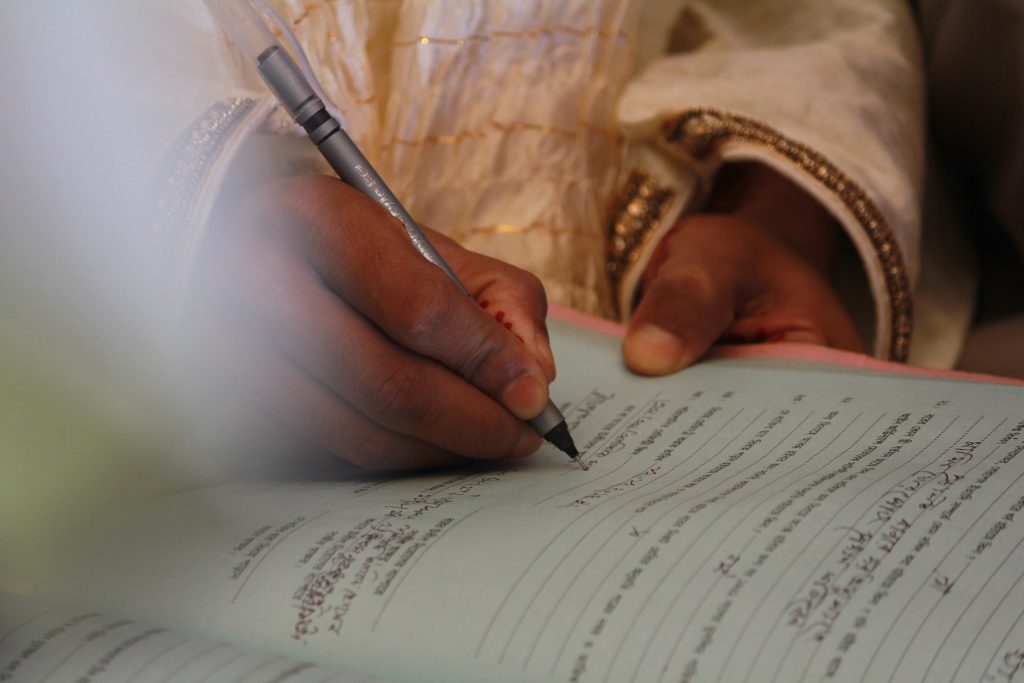
In her remarks regarding the issue of dowry, the Fatwa Secretary emphasized that dowry does not expire over time; it remains a duty for the husband even after consummation. This fatwa comes at a time when discussions about women's rights in marriage and the responsibilities of husbands are increasingly prevalent.
The issue of dowry is fundamental in Islamic marriage contracts, representing a right for women that reflects the husband's respect and appreciation for them. This matter has sparked extensive debate in Arab societies, particularly in light of social and economic changes affecting family dynamics.
Details of the Fatwa
The Fatwa Secretary clarified that dowry is considered one of the essential rights that must be granted to women, noting that failure to pay or delays in payment can lead to legal and social problems. She pointed out that scholars agree that dowry only ceases to be obligatory in specific cases, such as divorce before consummation.
The fatwa also addressed particular circumstances that may influence the dowry, such as if there is a prior agreement between the spouses to reduce or waive the dowry, but this must be with the consent of both parties.
Background & Context
The roots of the dowry issue date back to the early Islamic eras, where it was seen as a symbol of commitment and respect between spouses. Over time, concepts surrounding dowry have evolved, and it is now viewed as a right of women, reflecting social and cultural changes in Arab societies.
In recent years, Arab communities have witnessed increasing discussions about women's rights, including dowry, as many women seek to assert their rights more clearly. This fatwa is part of these discussions, highlighting the importance of maintaining women's rights in marriage.
Impact & Consequences
The impact of this fatwa could be significant on marital relationships in Arab societies, as it may encourage women to demand their rights more assertively. It could also lead to changes in how husbands approach the topic of dowry, reflecting a shift in social culture.
This fatwa may raise awareness about women's rights in marriage, potentially contributing to a reduction in family disputes related to dowry. Additionally, it may promote further discussions about women's rights in general.
Regional Significance
This fatwa holds particular importance in the Arab region, where women's rights issues remain a significant challenge. The fatwa could enhance women's rights in marriage, contributing to an improvement in their social and economic status.
In a related context, this fatwa may help foster dialogue about women's issues in Arab societies, potentially leading to positive changes in laws and policies concerning women.
In conclusion, the issue of dowry remains one of the critical topics in Islamic jurisprudence, and the recent fatwa underscores the importance of safeguarding women's rights. It is essential to continue discussions on these matters to ensure justice and equality in marital relationships.