In the ongoing discussions about the arts in Islam, the Mufti of Egypt confirmed that drawing is not considered forbidden if practiced as a talent or hobby. This statement came in response to various public questions regarding the legitimacy of drawing and its impact on religion.
The arts, including drawing, are seen as part of creative expression that contributes to shaping culture and society. This topic has sparked widespread debate among scholars and thinkers, as opinions differ on the compatibility of the arts with Islamic teachings.
Details of the Event
During his talk, the Mufti explained that drawing as a talent can play a positive role in individuals' lives, as it helps develop creative skills and enhances the ability to express thoughts and feelings. He also pointed out that the arts can be a means of promoting human and positive values.
He added that there are multiple interpretations regarding the ruling on drawing in Islam, with some believing it may contradict certain religious teachings, while others see no legal impediment to practicing these arts, especially if they express beauty and do not include immoral content.
Background & Context
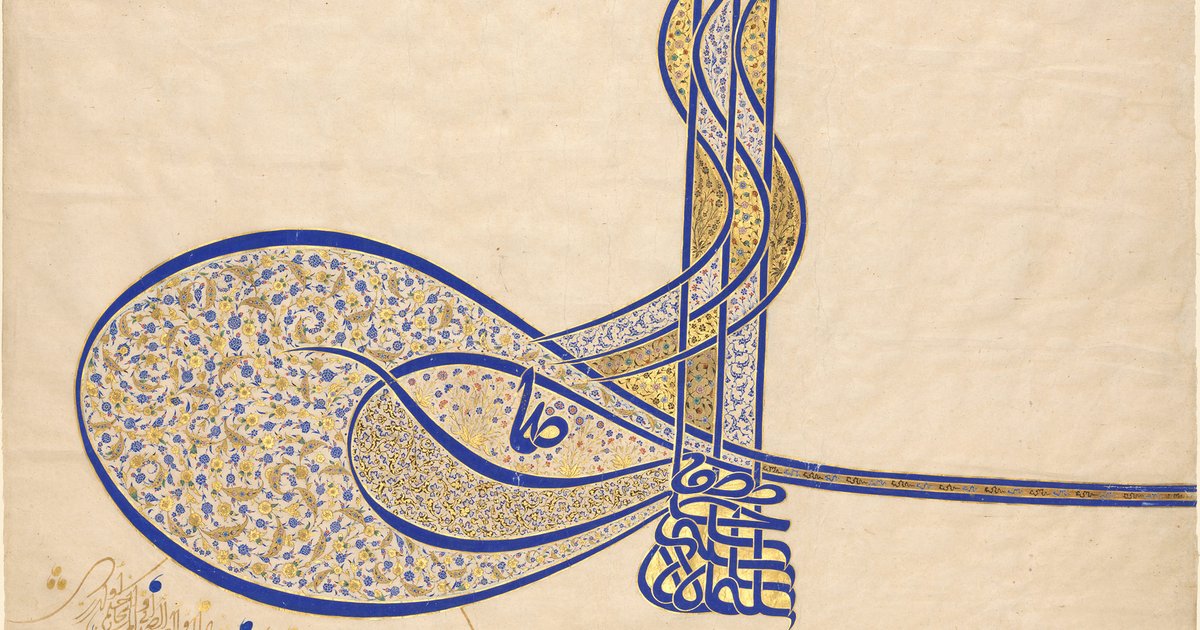
Historically, the arts in the Islamic world have been a subject of discussion, experiencing periods of flourishing and others of restriction. During the Islamic Golden Age, the arts were considered a part of civilization, with artists excelling in fields such as painting, sculpture, and calligraphy. Over time, some conservative trends began to influence the perception of the arts.
In recent years, Arab societies have witnessed an increasing interest in the arts, with youth beginning to express themselves through drawing, music, and writing. This shift reflects the younger generations' desire to explore their cultural and artistic identities.
Impact & Consequences
The statements regarding the ruling on drawing could significantly impact youth and artists in the Arab world. If drawing is accepted as a legitimate talent, it may encourage more individuals to engage in the arts, contributing to the enhancement of culture and creative thought.
Additionally, this discussion can open the door to broader dialogues about the arts and culture in Islamic societies, fostering understanding and acceptance among different generations.
Regional Significance
Amid the social and cultural changes occurring in the Arab region, the discussion about the arts is crucial. The arts can help build bridges of communication between different cultures and enhance Arab identity.
Moreover, supporting the arts can contribute to achieving sustainable development, as the arts can be a means to promote cultural tourism and attract visitors to Arab countries.
The discussion about the ruling on drawing as a talent and hobby reflects cultural and social changes in the Arab world and highlights the importance of the arts as part of human identity. It is essential to continue dialogues on this subject to enhance understanding and acceptance among individuals and communities.