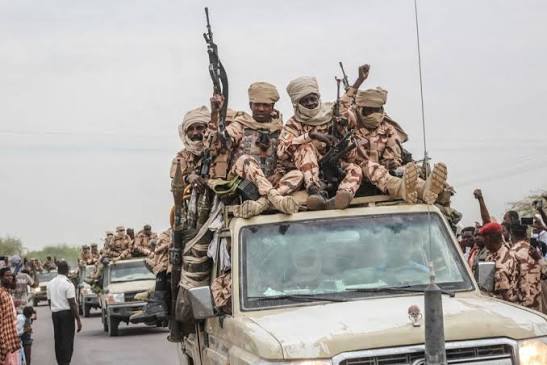
The tribal clashes that erupted in eastern Chad have led to the deaths of at least 42 individuals, reflecting the escalating ethnic tensions in the region. A government official announced the death toll on Sunday, indicating that the conflict arose over control of a water well, a vital resource in an area suffering from severe water scarcity.
Chad, like many African nations, experiences recurring tribal conflicts, often linked to natural resources. In this instance, the well became a point of contention between two ethnic groups, resulting in a surge of violence and casualties.
Details of the Incident
According to local sources, the clashes began on Saturday when one of the groups attempted to take control of the well, leading to armed confrontations. The conflicting parties used firearms, resulting in a significant number of dead and wounded. Reports also indicated that numerous houses were destroyed during the clashes, exacerbating the suffering of local residents.
These events come at a time when Chad faces significant economic and social challenges, with many citizens living in extreme poverty. Such conflicts have further aggravated the humanitarian situation in the country, where many are in urgent need of assistance.
Background & Context
Historically, Chad has witnessed numerous tribal conflicts, often stemming from competition over natural resources such as water and agricultural land. The country is grappling with climate changes that affect agriculture and intensify competition for resources. These disputes are not new but are worsening under the difficult economic conditions the country is experiencing.
Chad also suffers from the impacts of regional conflicts, as situations in neighboring countries like Libya and Sudan affect the stability of the nation. These factors complicate efforts to achieve peace and stability in the region, increasing the likelihood of further tribal conflicts.
Impact & Consequences
The repercussions of these clashes extend beyond the local area, impacting the overall security and stability of the country. Increased violence may lead to mass displacement of populations, adding an additional burden on the government and humanitarian agencies. Furthermore, these events could exacerbate the humanitarian situation, as many require assistance amid resource shortages.
Moreover, the ongoing tribal conflicts could hinder development efforts in the country, as Chad needs political and economic stability to progress. These events may also affect relations between different ethnic groups, increasing divisions within society.
Regional Significance
The situation in Chad is part of the broader picture of security and stability in the African Sahel region. Tribal conflicts in Chad could influence neighboring countries, potentially leading to heightened tensions in the area. Additionally, the humanitarian crises resulting from these conflicts may necessitate an international response, placing the Arab region in a position that requires assistance and support.
Ultimately, the recent events in Chad underscore the urgent need to address the root causes of tribal conflicts and promote dialogue among different groups. It is essential for the Chadian government to work with the international community to achieve peace and stability and provide necessary resources for affected populations.