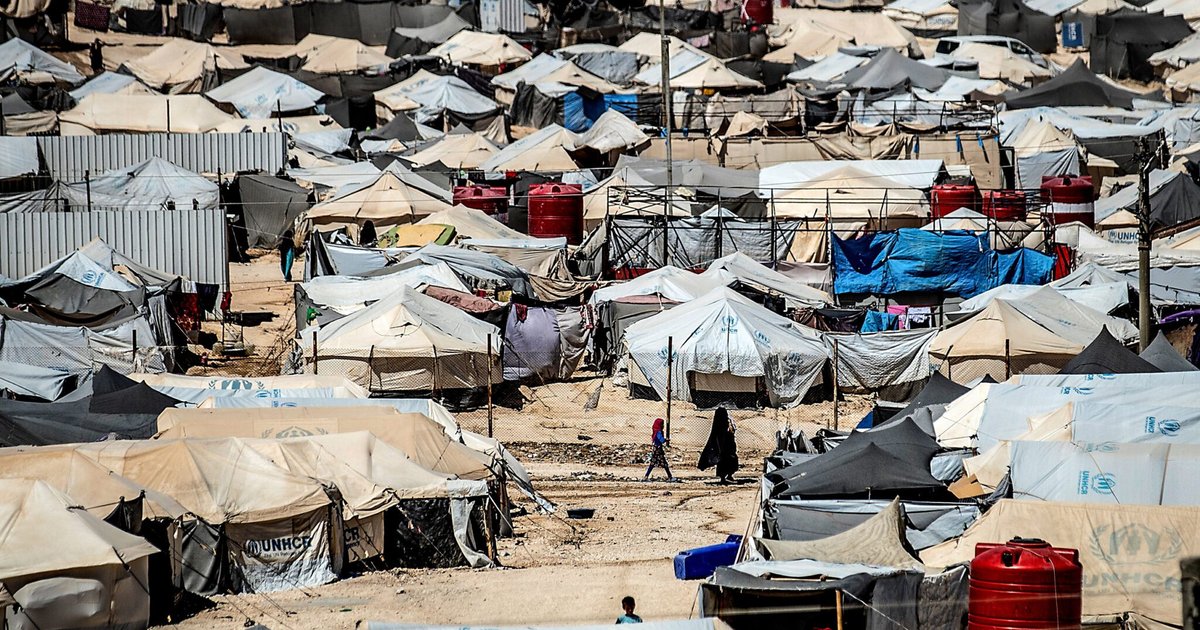
Syrian authorities have announced the closure of the al-Hol camp, which is one of the largest displacement camps in the country, and its conversion into a military zone. This decision comes at a time when the region is witnessing an escalation in security tensions, aiming to strengthen control over the security situation.
The al-Hol camp, which houses thousands of displaced persons and refugees, has experienced numerous security incidents in recent years, including attacks by sleeper cells of ISIS. The situation in the camp has raised international concern, as fears grow that it could become a hotspot for extremism.
Details of the Closure Decision
The decision to close the camp was made following comprehensive security assessments, with reports indicating that the camp had become a threat to public security. According to sources, military forces will take over the management of the area after the camp's closure, aiming to prevent any illegal activities that could threaten stability.
This decision is part of the Syrian government's efforts to improve security conditions in areas under its control, with military forces being reinforced in several sensitive regions. Plans have also been announced to secure borders and prevent the infiltration of terrorist elements into the country.
Background & Context
The al-Hol camp, established in 2014, has received thousands of displaced persons from various regions of Syria, particularly from areas that have witnessed violent conflicts. Over time, the camp has turned into a gathering center for ISIS elements and their families, complicating the security situation further.
Historically, the camp has seen numerous security incidents, including escapes by extremist elements, prompting authorities to take stricter measures. The situation in the camp has raised concerns among humanitarian organizations, which have warned about the implications of its closure on the lives of the displaced.
Impact & Consequences
The closure of the camp is expected to exacerbate the humanitarian situation for the displaced, as many may find themselves without shelter or support. Additionally, the transformation of the camp into a military zone may heighten tensions between local residents and military forces.
On the other hand, this decision could contribute to enhancing security in the region, as the Syrian government seeks to eliminate any potential threats. However, questions remain about how to address the displaced individuals who will suffer from the consequences of this decision.
Regional Significance
The closure of the al-Hol camp is a significant step in the context of the Syrian government's efforts to regain control over areas affected by conflict. This decision may also impact relations between Syria and neighboring countries, especially amid concerns about the infiltration of extremist elements across borders.
Arab countries must consider the humanitarian dimensions of this decision, as addressing the needs of the displaced requires international coordination and cooperation among governments. The conditions in the camps represent a major challenge for the region, and a comprehensive response is needed to address these crises.
In conclusion, the closure of the al-Hol camp and its transformation into a military zone reflects the security challenges facing Syria and highlights the importance of enhancing regional and international cooperation to address humanitarian and security crises.