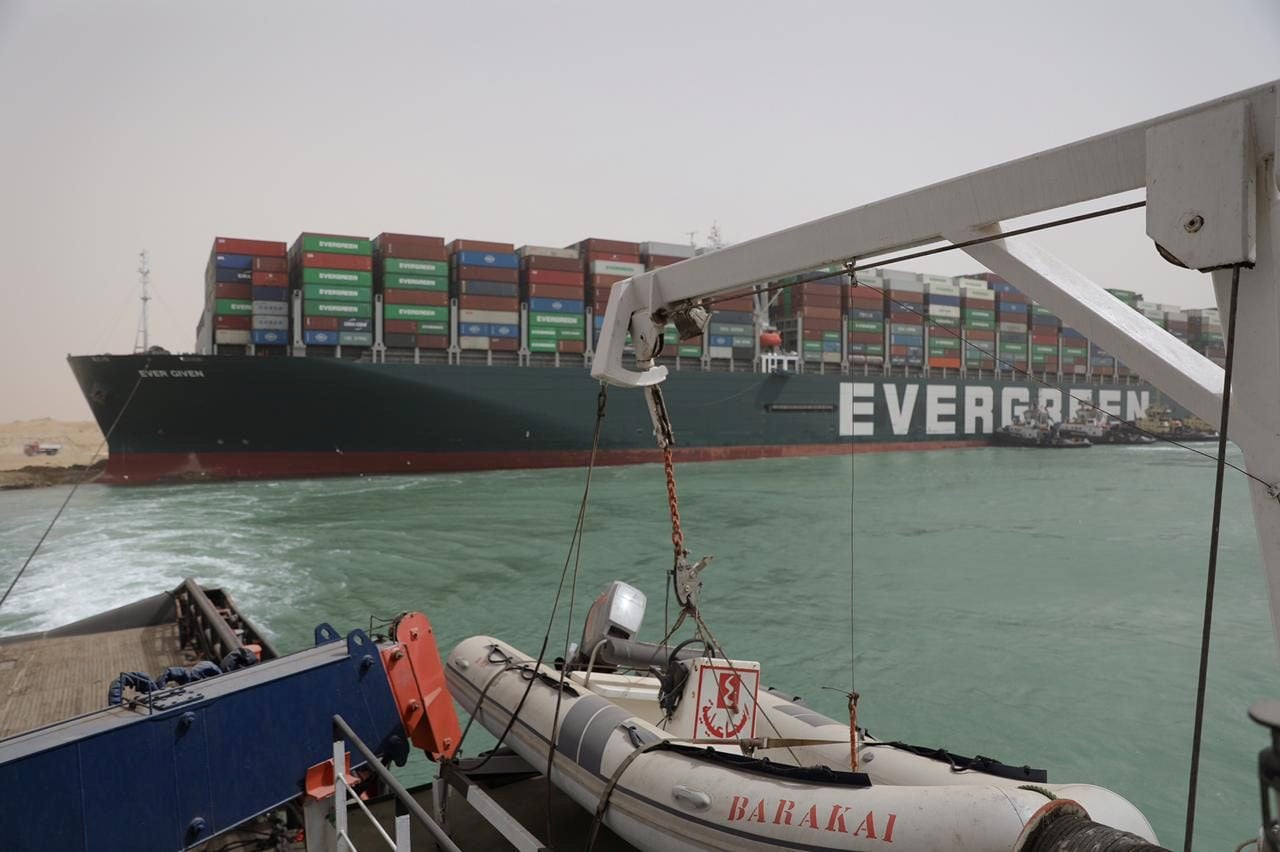
The challenges facing the world's vital maritime passages are escalating, as the Suez Canal has experienced an eight-year closure, negatively affecting global trade flows. Simultaneously, new threats are emerging in the Strait of Hormuz, which is considered one of the most important maritime routes for transporting oil and natural gas.
The Suez Canal, which connects the Red Sea to the Mediterranean Sea, is a vital artery for global trade, with approximately 12% of global trade passing through it. However, its prolonged closure due to political and economic crises has led to increased shipping costs and delays in the delivery of goods, adversely impacting the global economy.
Event Details
In recent years, the Suez Canal has witnessed numerous crises, including closures due to ship grounding, which halted navigation. This has raised significant concerns among importing and exporting nations, as any delay in the movement of goods can lead to shortages of essential commodities and rising prices.
On the other hand, the Strait of Hormuz, through which approximately 20% of the world's oil flows, faces increasing threats from certain countries. Some regional powers are seeking to assert control over this vital passage, heightening the risk of military conflicts that could impact oil flow and global prices.
Background & Context
Historically, the Suez Canal and the Strait of Hormuz have been strategic points in global trade. Since the opening of the Suez Canal in 1869, it has become one of the most important maritime routes in the world. However, the region has experienced numerous political and military conflicts that have affected navigation.
In recent years, tensions in the Arabian Gulf have escalated, increasing concerns about energy security. Economic sanctions and civil wars have exacerbated the situation, threatening the stability of global markets.
Impact & Consequences
The crises in the Suez Canal and the Strait of Hormuz directly affect oil and gas prices in global markets. Any disruption in navigation can lead to price increases, impacting the global economy and raising the cost of living for citizens.
Moreover, these crises may prompt countries to reassess their strategies for securing energy sources, driving them to seek new alternatives to reduce dependence on these maritime routes.
Regional Significance
For Arab countries, the crises in the Suez Canal and the Strait of Hormuz represent significant challenges. Many Arab nations rely on these passages for exporting oil and gas, and any disruption in navigation can adversely affect their economies.
Additionally, tensions in the region may lead to increased investments in renewable energy sectors, as Arab countries seek to reduce reliance on traditional oil and gas.
In conclusion, the crises in vital maritime passages remain a significant challenge for the world, requiring a coordinated response from nations to ensure the stability of trade flows and energy security.