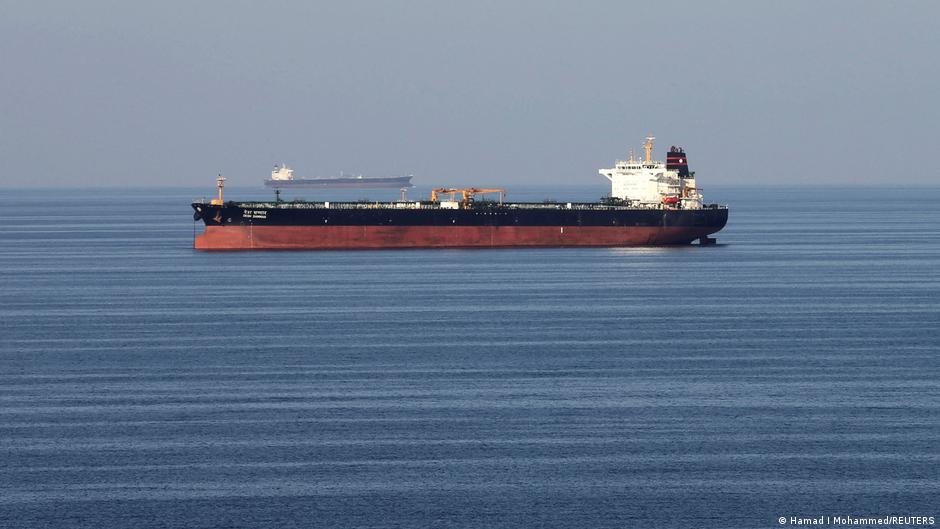
In an article published in "Le Monde," European Parliament member Pascal Canfin emphasized that Iran's closure of the Strait of Hormuz represents a critical test for European energy strategy. This event comes at a sensitive time as geopolitical tensions in the region escalate, raising questions about Europe's ability to adapt to these changes.
While China is considered the most affected by this closure, Canfin believes it is better equipped to face challenges than Europe, thanks to its diversified energy sources and investments in renewable energy. In contrast, Europe heavily relies on fossil fuels, making it vulnerable to risks arising from any disruptions in energy supplies.
Details of the Event
The Strait of Hormuz is one of the world's most important waterways, through which approximately 20% of the world's total oil passes. Iran's closure of this strait occurs against the backdrop of rising tensions between Tehran and Western countries, particularly following sanctions imposed on Iran due to its nuclear program. This closure could lead to a significant increase in oil prices, impacting the global economy and increasing pressure on oil-importing countries.
In this context, Canfin pointed out that Europe urgently needs to reassess its energy strategy. The current challenges require European countries to take bold steps towards reducing dependence on fossil fuels and enhancing investments in renewable energy sources. This shift could help strengthen European energy security and reduce the impact of geopolitical crises on the European economy.
Background & Context
Historically, the Strait of Hormuz has witnessed numerous crises, serving as a stage for various military and political conflicts. In recent years, tensions between Iran and Western countries have intensified, making the region more susceptible to crises. In this context, the closure of the strait is a new test of Europe's ability to handle energy crises.
Moreover, Europe faces additional challenges related to climate change and the pressure to transition to more sustainable energy sources. This pressure is increasing with the growing global awareness of the importance of protecting the environment and reducing carbon emissions. Therefore, rethinking European energy strategy is not merely an option but an urgent necessity.
Impact & Consequences
The potential consequences of the closure of the Strait of Hormuz could be far-reaching. Rising oil prices may lead to increased living costs in Europe, affecting the economy overall. Additionally, European companies may face challenges in securing energy supplies, which could result in reduced production and increased unemployment.
Furthermore, this closure could enhance the importance of European cooperation in the energy sector. European countries may need to work together to develop joint energy strategies, boost investments in renewable energy, and develop new technologies to reduce dependence on oil and gas.
Regional Significance
For the Arab region, the closure of the Strait of Hormuz could significantly impact oil-producing countries. Gulf countries, which heavily rely on oil exports, may face new challenges in securing their supplies to global markets. This situation could lead to a reassessment of their economic and energy strategies.
Additionally, this closure could enhance the importance of Arab cooperation in the energy sector, as Arab countries can work together to develop joint energy strategies and boost investments in renewable energy. In light of geopolitical changes, regional cooperation becomes more crucial than ever.
In conclusion, the closure of the Strait of Hormuz represents a real test for both Europe and the Arab region. The current challenges require a swift and effective response from all stakeholders to ensure energy security and economic stability.