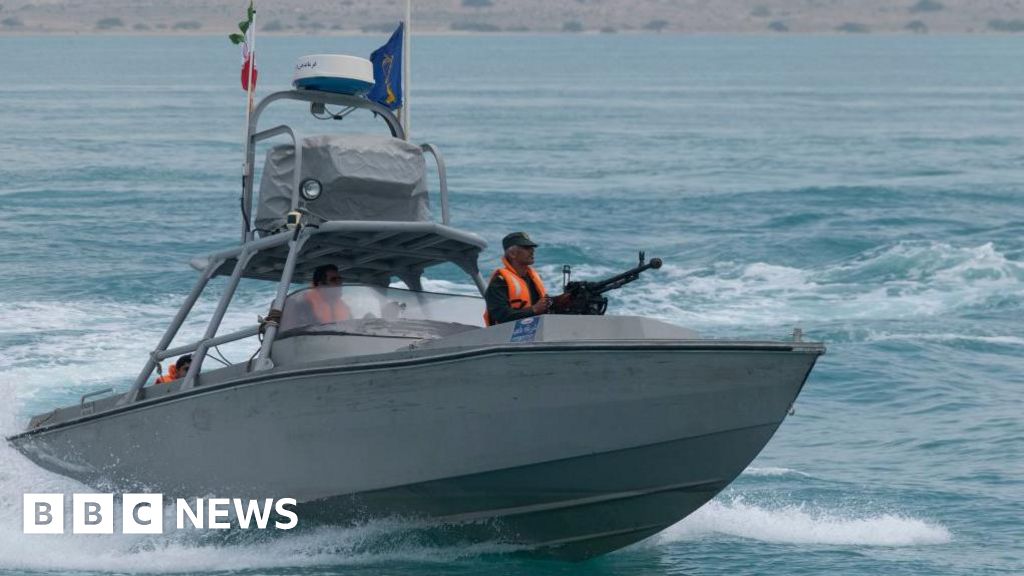
Multiple sources have reported that the closure of the Strait of Hormuz, regarded as the lifeblood of global trade, could be classified as economic terrorism. This vital waterway carries approximately 20% of the world's total oil, making it a strategic point that cannot be overlooked in any discussion about economic security.
Concerns are growing that any closure of this strait could lead to a significant spike in oil prices, adversely affecting the global economy and exacerbating economic crises in many countries. Given the current circumstances, it seems that this action may have far-reaching implications for financial markets.
Details of the Event
Reports indicate that the closure of the Strait of Hormuz followed escalating political tensions in the region, with involved countries exchanging accusations regarding sovereignty violations. This situation raises alarms among oil-importing nations, many of which rely on this corridor to secure their supplies.
In recent years, the region has witnessed a rise in hostilities, increasing tensions further. These events have led to international calls for de-escalation, but the situation appears to be becoming more complex.
Background & Context
The Strait of Hormuz is a major transit point for oil and natural gas, and it is considered one of the most important maritime corridors in the world. Historically, the strait has experienced numerous crises, with previous attempts to close or threaten it impacting global oil prices.
For instance, in 2019, the strait saw an escalation in attacks on oil tankers, heightening tensions between Iran and Western nations. These events served as a wake-up call for oil-importing countries regarding the importance of protecting this corridor.
Impact & Consequences
If the closure of the Strait of Hormuz continues, the consequences will be severe. Oil prices are expected to rise significantly, leading to increased transportation costs and higher prices for essential goods. This situation could negatively impact the global economy, as importing nations will face mounting economic pressures.
Moreover, this closure could exacerbate economic crises in countries heavily reliant on oil, potentially causing social and political unrest. Under these circumstances, the international community must take urgent steps to address this crisis.
Regional Significance
Arab countries, particularly those dependent on oil exports, are likely to be the most affected by the closure of the Strait of Hormuz. These nations may face significant economic challenges, as any rise in oil prices will impact their public budgets and economic planning.
Additionally, the psychological impact on financial markets in the region will be substantial, as this situation could lead to unexpected fluctuations in stock and bond prices. Therefore, it is crucial for Arab nations to collaborate in addressing these challenges.
In conclusion, the closure of the Strait of Hormuz represents a real threat to global economic security, and the international community must take effective steps to mitigate the repercussions of this action. Regional and international cooperation will be key to resolving this crisis.