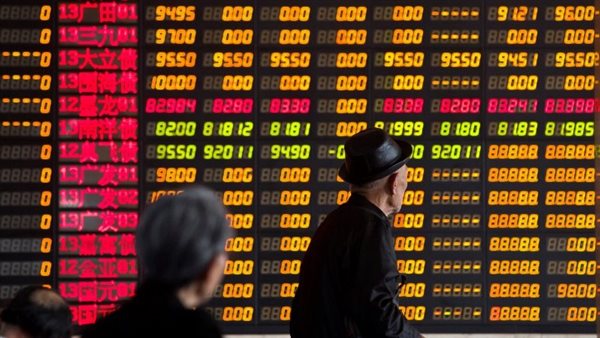
Asian stocks increased by 1.4%, while oil prices declined following reports that Iran proposed to the United States to reopen the Strait of Hormuz. This development came at a time when efforts to resume peace talks to end the war have stalled, contributing to improved market sentiment.
The MSCI Emerging Markets Index reached a record level, supported by Iran's proposal, which includes delaying nuclear negotiations. Technology stocks outperformed, with a regional technology stock index rising by 3.8% to an all-time high, while shares of Taiwan Semiconductor Manufacturing surged by 5.5% to a record level.
Details of the Event
Brent crude prices retreated from previous gains, trading near $106.70 per barrel after rising by up to 2.5% to nearly $108. The Strait of Hormuz is a vital corridor for oil and gas transport, and reopening it could contribute to stability in energy markets.
The Bloomberg Dollar Spot Index fell by 0.1%, reflecting market reactions to the new developments. Sean Keen, Chief Strategist for the Asia-Pacific region at JP Morgan, noted that markets are reacting positively to any signs of agreement, despite traders feeling fatigued.
Background & Context
This shift in sentiment followed stalled efforts to resume talks over the weekend when U.S. President Donald Trump canceled a trip for his envoys, and Tehran announced it would not negotiate under threat. While global stocks have shed most of their war-related losses, they face an important test this week as decisions on monetary policy from the Federal Reserve and the European Central Bank approach.
Reports indicate that Iran's plan, communicated through intermediaries in Pakistan, calls for an extension of the ceasefire, allowing both sides to work towards a permanent end to hostilities. Nuclear talks will come later, only after the lifting of the U.S. blockade on the Strait of Hormuz, reflecting the complexity of the situation.
Impact & Consequences
Analysts expect these developments to significantly impact oil and gas markets, as reopening the Strait of Hormuz could contribute to price stability. Yugo Tsuboi, Chief Strategist at Daiwa Securities, pointed out that this news aligns with market expectations that Iran and the U.S. will eventually reach an agreement.
Global markets began the week at record levels, with the S&P 500 rising by nearly 10% since the end of March, putting it on track for its best monthly performance since late 2020. This strong performance reflects overall optimism in the markets despite current challenges.
Regional Significance
These developments are particularly significant for the Arab region, as stable oil prices directly affect the economies of producing countries. Additionally, any progress in talks between Iran and the U.S. could help ease regional tensions.
At the same time, Asian companies are entering one of the busiest weeks of the earnings season, giving investors an early glimpse of the impact of the war in Iran on financial results. Major companies such as Alphabet, Microsoft, and Amazon are set to announce their results, which could influence market trends.