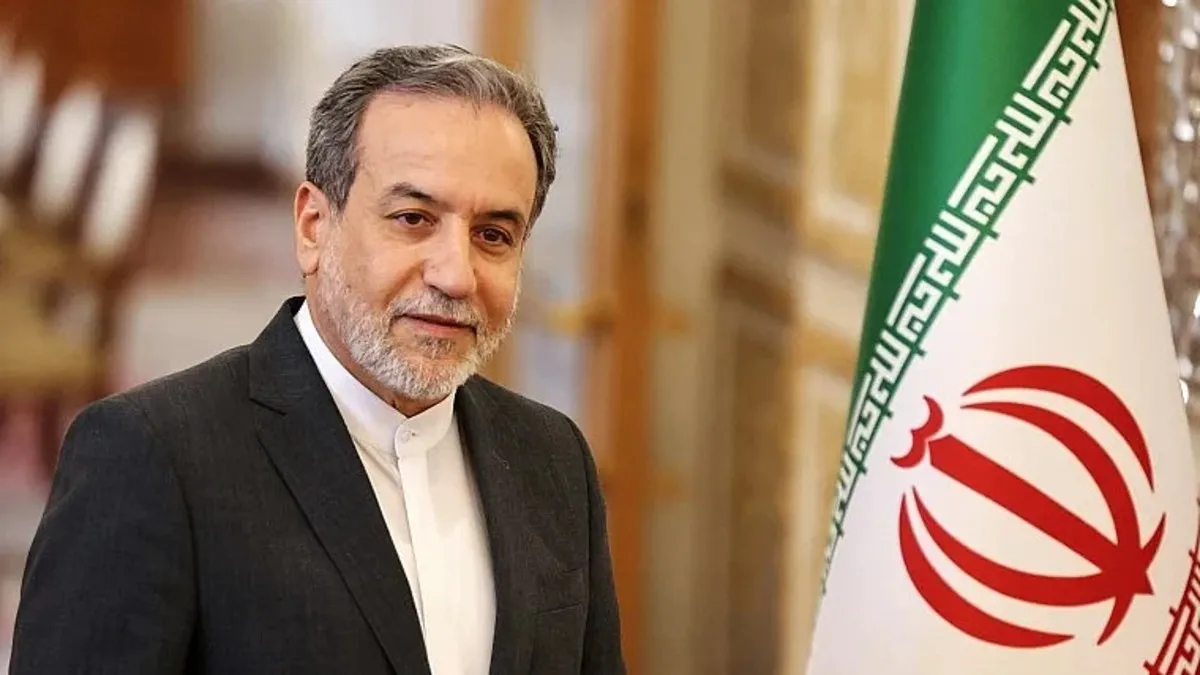
Iranian Foreign Minister Abbas Araghchi stated that ensuring navigation safety in the Strait of Hormuz is a crucial global issue during his arrival in Moscow to meet with Russian President Vladimir Putin. These remarks come at a sensitive time that necessitates enhanced international cooperation to protect this vital corridor.
The Strait of Hormuz is one of the most important maritime passages in the world, through which approximately 20% of the world's total oil passes. This strategic importance makes its security a central issue not only for regional countries but for the entire world. Araghchi, who is visiting Russia to strengthen bilateral relations, pointed out that any threat to navigation in this strait could impact the global economy.
Details of the Event
Araghchi's visit to Moscow comes at a time when the world is witnessing increasing tensions in the Middle East. Concerns have grown regarding the escalation of conflicts in the region, threatening the stability of navigation in the Strait of Hormuz. Araghchi confirmed that Iran is ready to cooperate with all concerned countries to ensure navigation safety, emphasizing the importance of dialogue and understanding in resolving outstanding issues.
He also noted that Iran plays a pivotal role in ensuring security in the region and seeks to enhance cooperation with Russia in various fields, including security and energy. The meeting with Putin presents an opportunity to discuss regional and international issues, including tensions in the Arabian Gulf.
Background & Context
Historically, the Strait of Hormuz has witnessed numerous crises that have affected navigation, ranging from regional wars to economic sanctions. In recent years, tensions between Iran and the United States have escalated, increasing concerns about navigation security in this corridor. Additionally, the presence of military forces from various countries in the region complicates the situation.
Iran seeks to strengthen its position in the region by cooperating with countries like Russia, which it considers a strategic ally. This cooperation could contribute to achieving stability in the region and enhance Iran's ability to confront external challenges.
Impact & Consequences
Securing the Strait of Hormuz has direct implications for global oil prices, as any threat to navigation could lead to price increases and heightened economic tensions. Oil-importing countries, particularly in Europe and Asia, heavily depend on oil supplies from the Gulf, making the security of this corridor a matter of utmost importance.
Any escalation in tensions could result in negative repercussions for the global economy, as financial markets are highly sensitive to any news related to energy security. Therefore, international cooperation in this area is essential to maintain market stability.
Regional Significance
The Gulf Arab states are the most affected by the security of the Strait of Hormuz, as their economies heavily rely on oil exports. Any threat to navigation could impact the stability of these countries and increase tensions among them. Thus, dialogue and cooperation among the concerned countries are essential to maintain security and stability in the region.
In light of these circumstances, Arab countries must enhance cooperation among themselves and with major powers to ensure the security of the Strait of Hormuz. Achieving stability in this vital corridor can contribute to enhancing regional security and boosting economic development opportunities.