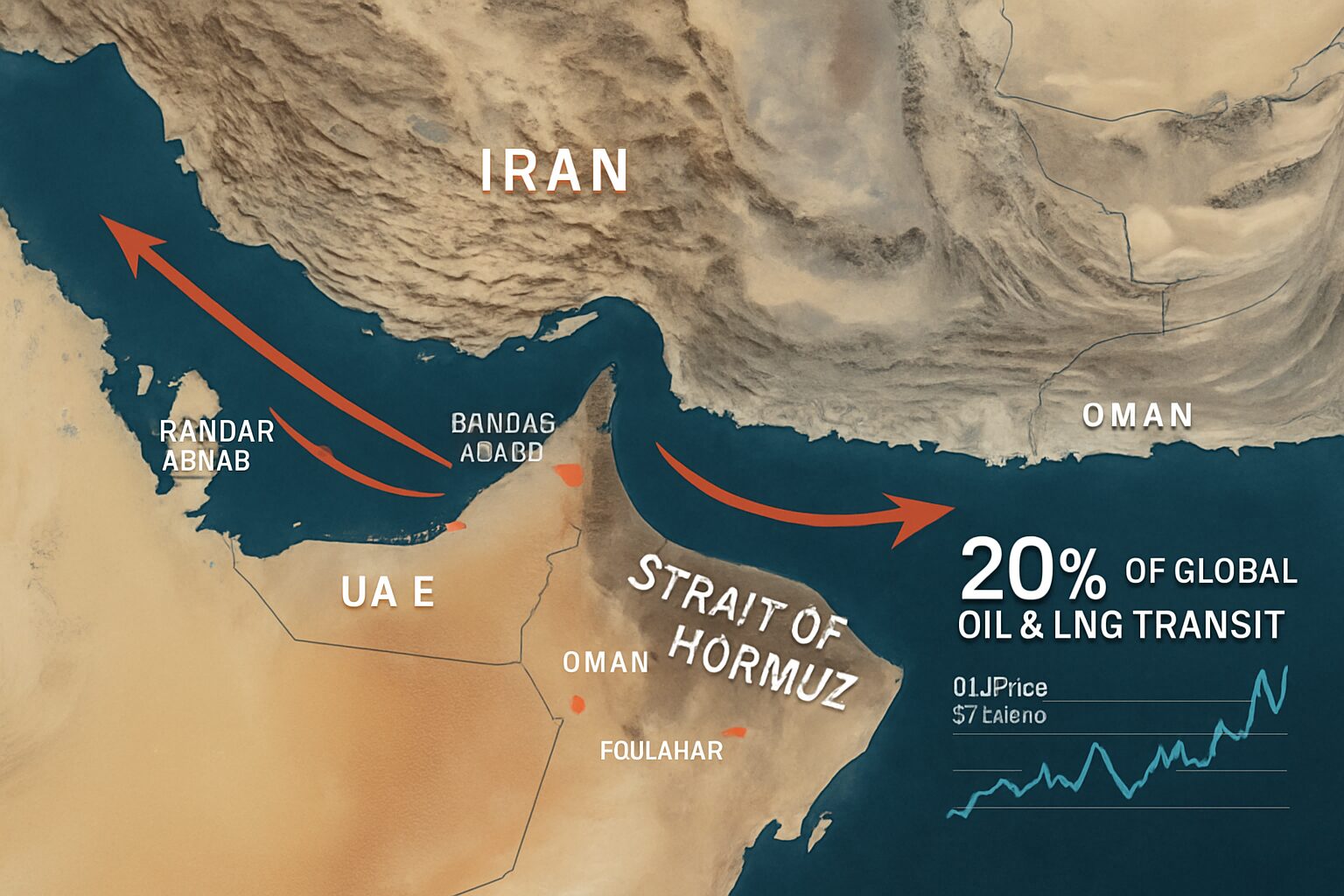
The escalation of tensions in the Middle East has resulted in the closure of the Strait of Hormuz, causing a severe economic crisis in Asia, where many countries depend on oil and gas imports. Singapore's Foreign Minister, Vivian Balakrishnan, described the situation as an 'Asian crisis', indicating that any disruption in energy flows through this strait would have significant repercussions on the economies of Asian nations.
The Strait of Hormuz is a vital transit point, with approximately 20 million barrels of oil and petroleum products passing through daily, accounting for a quarter of global maritime oil trade. According to the International Energy Agency, around 80% of these shipments are directed towards Asia, meaning any disruption in these flows will have a direct impact on energy-importing countries in the region.
Details of the Event
Concerns are growing that the closure of the Strait of Hormuz could lead to a significant rise in energy prices, adversely affecting the economies of Asian countries that heavily rely on oil and gas imports. Experts point out that China, India, and Japan are among the largest energy importers, making them the most affected by this situation. Dr. Balakrishnan noted a 'disbalance' between military and economic dimensions, as Asian economies are more affected than the United States, which has become less dependent on energy imports from the Middle East.
While Asia was hoping for economic stability, this closure has heightened political and economic anxiety in the region. Many countries, such as Bangladesh, India, and Pakistan, rely on the Strait of Hormuz to meet their liquefied natural gas needs, with these nations importing nearly two-thirds of their gas supplies through this strait.
Background & Context
Historically, the Strait of Hormuz has been a strategic focal point for the United States, which has heavily relied on energy supplies from the Middle East. The Carter Doctrine, announced in 1980, stated that the United States would use military force if necessary to protect its interests in the Gulf. However, dynamics have significantly changed in recent years, with the United States becoming a net energy exporter since 2019, reducing its dependence on the Strait of Hormuz.
The importance of energy in Asia is increasing, as Asian countries account for two-thirds of global GDP growth, making them vulnerable to fluctuations in energy markets. Experts have warned that any disruption in energy supplies could lead to rising prices of commodities, negatively impacting the economies of developing countries already burdened with high debt loads.
Impact & Consequences
The effects of the closure of the Strait of Hormuz extend beyond rising oil and gas prices, potentially leading to increased prices for fertilizers and food, threatening food security in many nations. Experts have cautioned that rising energy prices could result in increased inflation, affecting the lives of ordinary citizens and placing additional economic pressures on governments.
In the Philippines, for example, rising fuel prices have sparked protests from transport workers, as 98% of oil imports depend on the Middle East. Many other Asian countries are facing similar challenges, raising concerns about economic stability in the region.
Regional Significance
Arab countries are significantly affected by this crisis, as the Gulf region is a major energy source. Any disruption in energy flows will impact the economies of these nations, increasing political and economic tensions. Iranian threats to cut undersea power cables reflect the growing risks to cybersecurity and international communications, which could affect global trade and the economy.
In conclusion, the closure of the Strait of Hormuz highlights the significant challenges faced by Asia and Arab countries amid rising tensions in the Middle East. The current situation requires a coordinated response from the concerned nations to ensure the stability of energy markets and protect their economies from negative impacts.