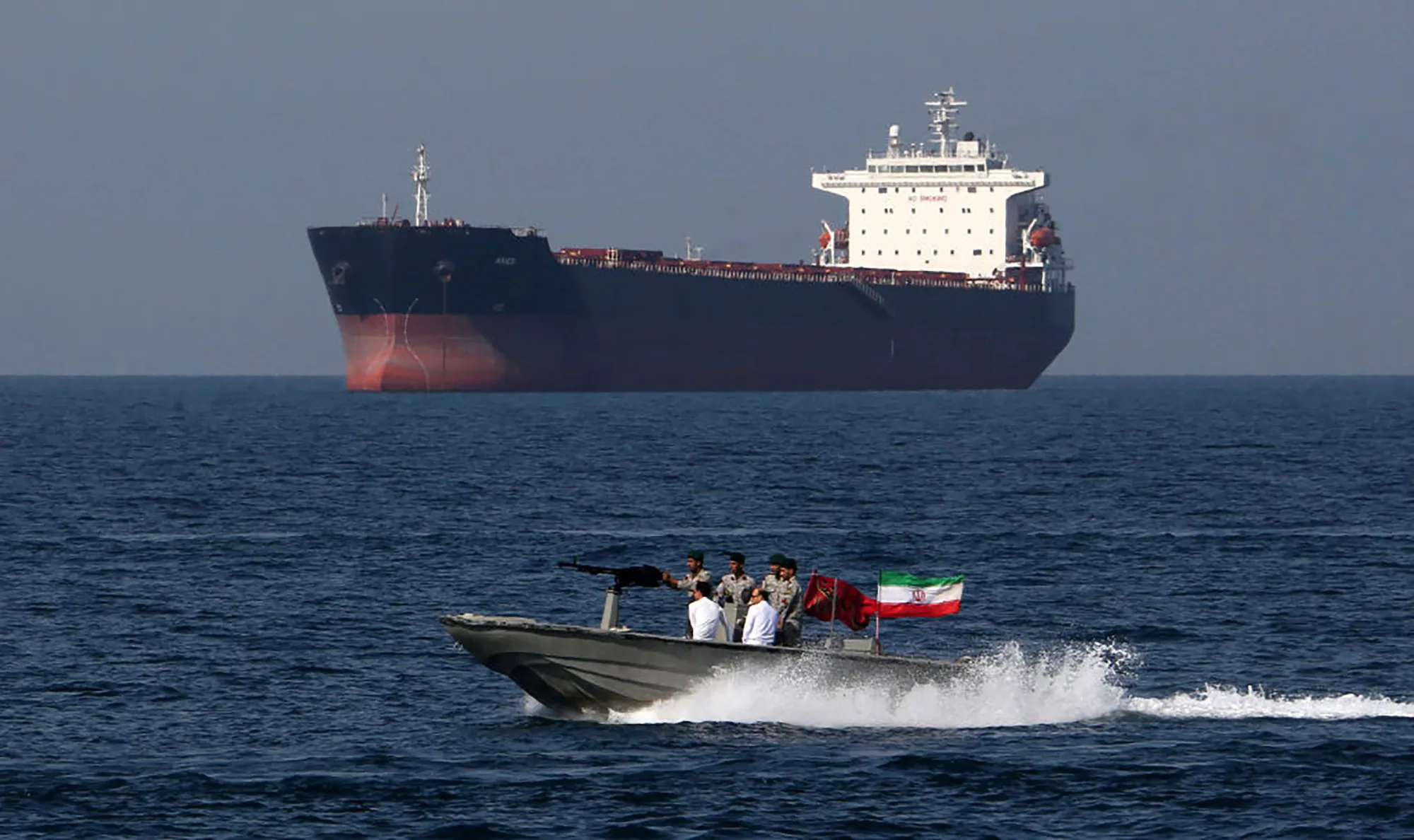
Eric Nuttall, portfolio manager at Ninepoint, has stated that the closure of the Strait of Hormuz, one of the world's most crucial maritime routes for oil transport, could lead to disruptions in the oil market that exceed those witnessed during the COVID-19 pandemic. Nuttall pointed out that oil companies are rapidly depleting their reserve inventories, threatening to create an actual shortage of oil barrels.
These remarks come at a sensitive time, as tensions between Iran and the West continue, heightening concerns about the stability of the global oil market. The Strait of Hormuz is a lifeline for oil, with approximately 20% of the world's total oil exports passing through it, making any closure significantly impactful on prices and supplies.
Details of the Situation
Concerns are mounting that the continued closure of the Strait of Hormuz could lead to a substantial rise in oil prices, negatively affecting the global economy. Nuttall noted that oil companies are facing significant challenges in securing supplies, as reserve inventories are diminishing rapidly. This situation could lead to an actual oil shortage, threatening to exacerbate economic crises in many countries.
At the same time, pressure is increasing on oil-producing countries to meet rising demand, which could lead to unprecedented price hikes. Oil prices have already seen notable increases in recent days, reflecting growing anxiety in the market.
Context and Background
Historically, the Strait of Hormuz has witnessed numerous crises due to political and military tensions in the region. In 2019, the area experienced heightened tensions between Iran and the United States, leading to threats of closing the strait. Other regional conflicts, such as those involving the Houthis in Yemen, may also affect the stability of the region.
Iran is one of the main oil-exporting countries, and any escalation in conflict with it could have significant repercussions on the global market. Previous events have shown that any closure of the Strait of Hormuz can lead to a sharp increase in oil prices, impacting the global economy as a whole.
Consequences and Impact
The closure of the Strait of Hormuz is expected to have wide-ranging effects on the global economy. Rising oil prices could lead to increased transportation and production costs, which may reflect on the prices of goods and services. Additionally, oil-importing countries may face increasing economic pressures due to rising prices.
Moreover, this situation could lead to heightened political tensions between oil-producing and oil-consuming nations, potentially contributing to the worsening of political crises in the region. Countries that heavily rely on oil may find themselves in a difficult position, increasing economic and social pressures.
Impact on the Arab Region
For Arab countries, the closure of the Strait of Hormuz represents a direct threat to their economic interests. Many Arab nations heavily depend on oil exports, and any price increase could adversely affect their economies. Additionally, countries that import oil will face greater challenges in securing their energy needs.
In this context, Arab nations must consider alternative strategies to secure energy supplies, including diversifying energy sources and increasing investments in renewable energy. Regional cooperation may also be essential to address the challenges arising from these crises.
In conclusion, the closure of the Strait of Hormuz represents a real crisis threatening the stability of the global oil market, requiring a swift and effective response from the concerned nations. Joint efforts must be made to avoid exacerbating economic and political crises in the region.