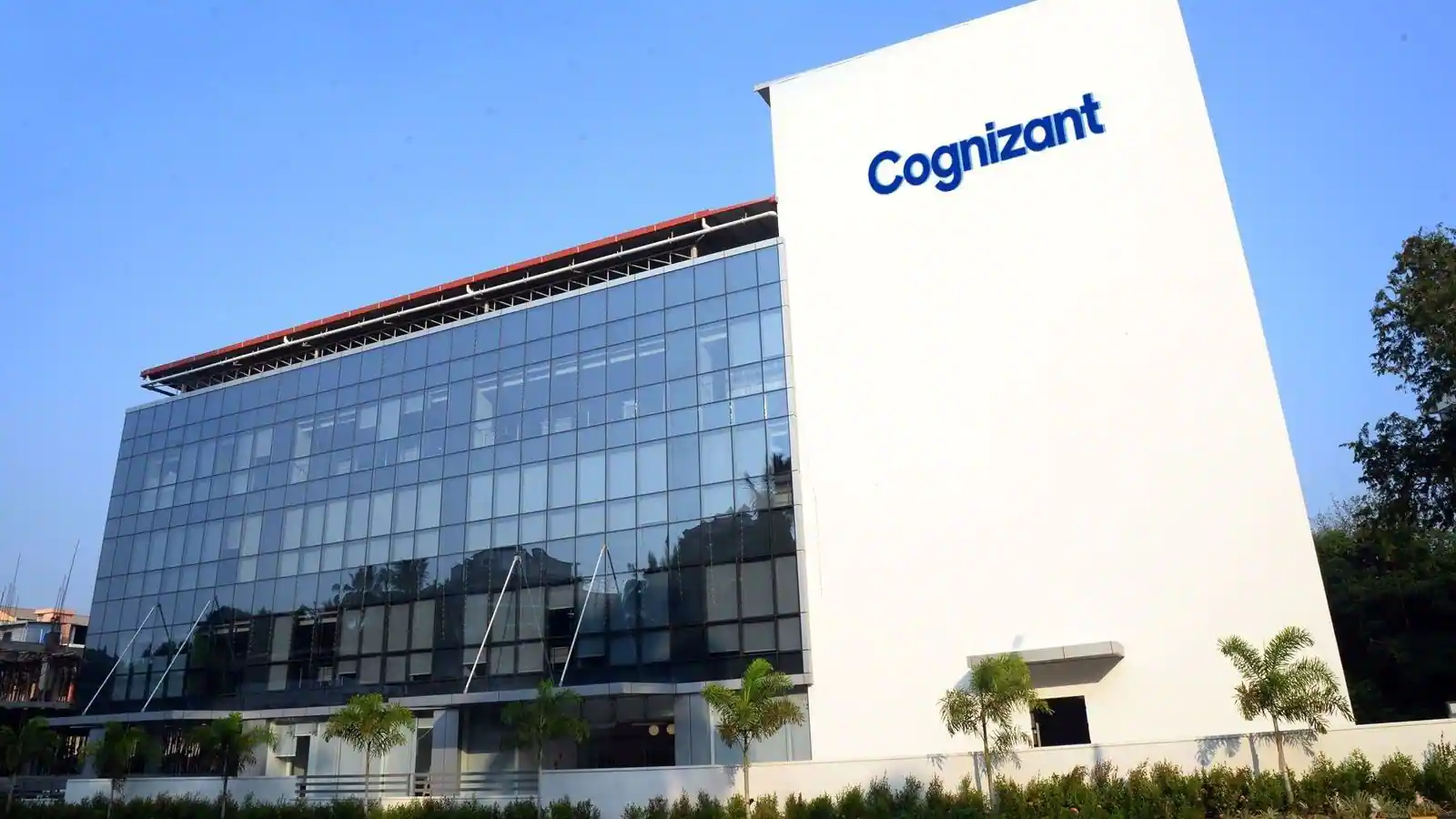
Cognizant Technology Solutions, headquartered in New Jersey, has revealed its revenue forecasts for the second quarter of the year, indicating that they will be lower than analysts' estimates on Wall Street. This announcement comes at a time when clients are exhibiting significant caution in their spending on IT services, negatively impacting the company's market performance.
Cognizant expects its revenues for the current quarter to range between $5.45 billion and $5.52 billion, while the average analyst estimate was $5.56 billion. The company has also revised its annual revenue expectations downward, now anticipating a range of $22.11 billion to $22.64 billion, compared to previous projections of $22.14 billion to $22.66 billion.
Event Details
In the first quarter of the year, Cognizant achieved a revenue growth of 5.8%, with revenues reaching $5.41 billion, aligning with expectations. The company's CEO, Ravi Kumar, confirmed that the company managed to achieve revenue growth in the upper half of its guidance range, with continued momentum in new orders, particularly in the financial services sector.
However, revenues from the health sciences unit fell short of expectations, totaling $1.58 billion, while estimates had suggested $1.66 billion. Cognizant also announced the launch of a new initiative named "Project Leap" in the second quarter, aimed at accelerating its transition to an AI-driven model, including investments in integrated offerings and streamlining operations.
Background & Context
Cognizant was founded in 1994 and has since become one of the leading companies in providing IT services. However, global economic challenges, including inflation and political uncertainty, have affected many companies in the sector. Businesses are adopting a cautious approach to their technology investments, which is negatively reflected in Cognizant's revenues.
Reports indicate that discretionary spending continues to face challenges, limiting growth in certain IT services. Ongoing cost optimization efforts across industries are also putting pressure on deal sizes and revenue expansion.
Impact & Consequences
The disappointing forecasts from Cognizant signal a broader trend in the IT market, where many companies are moving towards reducing expenses. This could lead to negative effects on overall economic growth, as many businesses rely on technology to enhance efficiency and increase productivity.
Moreover, the shift towards AI-driven models may present an opportunity for companies to boost their efficiency, but it requires significant upfront investments. These dynamics are expected to reshape the IT market in the coming years.
Regional Significance
In the Arab region, these developments may impact companies that rely on IT services, as cautious spending could reduce growth opportunities. However, the shift towards artificial intelligence may open new avenues for Arab companies seeking to enhance their efficiency and competitiveness.
In conclusion, Cognizant's announcement of disappointing forecasts serves as a reminder of the importance of preparing for economic challenges and highlights the need for innovation and adaptation in a rapidly changing world.